Blog

  • Gallbladder "Attacks" and Gallstones

    How to End the Pain and Save Your Gallbladder

    Nearly half a million gallbladder surgeries — removal, or cholecystectomy to be precise — are performed each year in the US. Many of the people who give up their gallbladders to such surgery appear to be fine, and the pain of their gallbladder attacks are over. Oddly enough, for many others, gallbladder "attacks" continue even in the absence of a gallbladder – in fact, one authoritative source indicates that Post Cholecystectomy Syndrome (PCS) affects at least 10 to 15% of people who have had their gallbladders removed!

    Are the people who have given up their gallbladders really "fine"? And why do others continue to have pain in spite of removal of their gallbladder?

    Conventional medical doctors make no attempt to help people "save" their gallbladders when stomach or other symptoms is believed due to gallbladder attacks. In fact, many gallbladders are removed even when scans do not show anything wrong with the gallbladder. Because there is no attempt to preserve this organ in conventional medicine, and because many people feel better after surgical removal of their GB, people mistakenly believe that the gallbladder isn’t important and that living without it makes no difference. Unfortunately, this viewpoint is incorrect and can be downright unhealthy.

    Contrary to common belief, the gallbladder isn’t just a "vestigial organ" with little or no importance. One of the primary jobs of the gallbladder is to control the flow of bile which in turn is needed to absorb fats, oils and fat-soluble nutrients. Once the gallbladder is removed, these functions cannot happen normally, at least not without additional "outside help" from supplementation.

    Although steps can be taken to prevent nutrient deficiencies if you have already had your gallbladder removed, let’s talk about another important question. How can you get rid of gallbladder "attacks" and keep your gallbladder in the first place? After all, "prevention" is always easier than cure.

    The Real Cause of Gallbladder Pain

    Gallbladder pain is usually blamed on gallstones, although stones are rarely the cause of intermittent GB discomfort.

    Stones of a particular size that get stuck in the bile duct are indeed incredibly painful. If they are not passed quickly, gangrene of the duct and gallbladder can set in with life-threatening complications. This is the only true "surgical emergency" of gallbladder stones.

    However, most stones are too large to obstruct the gall duct. Other people have "sand," which is fine particulate that is too small to obstruct the gall duct. So where does the pain come from?

    The real cause — and cure — of gallbladder pain was discovered back in 1968 by a physician named James C. Breneman. Dr. Breneman was chairman of the Food Allergy Committee of the American College of Allergists, or ACA (now called the American College of Allergy and Immunology, or ACAI). Dr. Breneman discovered that attacks of gallbladder pain are caused by food allergies.

    In 1968, he put 69 people who suffered from recurrent gallbladder attacks on an elimination diet to determine their food allergies. Six of the subjects already had their gallbladders removed but were still having gallbladder "attacks," a phenomenon known as "post-cholecystectomy syndrome." Dr. Breneman found that all 69 people — 100 percent! — were totally symptom-free of gallbladder pain when they avoided their individual food sensitivities, and all 69 had a recurrence of their symptoms when they ate the foods they reintroduced the foods they were allergic to back into their diets.

    The most common allergenic foods were found to be eggs (92.8%), pork (63.8%), onions (52.2%), chicken and turkey (34.8%), milk (24.6%), coffee (21.7% ), and oranges (18.8%). Corn, beans, nuts, apples, tomatoes, peas, cabbage, spices, peanuts, fish, and rye accounted for between 1 to 14.5% of gallbladder attacks. 14 of the 69 study participants (over 20 percent) also had gallbladder attacks caused by medications.

    How Allergies Cause Gallbladder Attacks

    Illustration of the biliary system, showing the liver, gallbladder, pancreas, and the duodenum with the appendant ducts.

    The body’s reaction to allergic substances is to cause swelling (remember how your nose swells if you have seasonal allergies?). When food and medication allergies cause swelling of the gallbladder ducts, bile flow is obstructed. The symptoms of allergy-caused obstruction are the same as a stone being stuck in the duct. (Hence the blame being laid on a "stone" when in fact, swelling of the tissue caused by a food or medicine reaction is the real culprit).

    The Cure for Gallbladder Pain

    The real treatment for most GB pain isn’t to remove this important organ, but to perform an elimination / challenge diet or food allergy testing and find the offending foods and medications.

    The Dangers of Gallbladder Removal

    What Can Happen Without a Gallbladder?
    Vitamin A Deficiency
    symptoms include changes in vision (night blindness, dry eyes, macular degeneration), decreased immunity and skin diseases.
    Vitamin D Deficiency symptoms include cancer, osteoporosis, dental disease and decreased immune function.
    Vitamin K Deficiencies are associated with osteoporosis and atherosclerosis
    Vitamin E Deficiency is associated with cancer, heart disease, neurological diseases and a long list of other health problems.
    Essential Fatty Acids regulate everything from cardiac function to immunity and inflammation.

    The gallbladder stores and then releases bile in response to fats contained in a meal. Bile is necessary to assist the digestion of fats and fat-soluble vitamins.

    When the gallbladder is removed, vitamins A, E, D, K, and essential fatty acids are not absorbed properly. Unfortunately, the symptoms of declining fat-soluble vitamins and essential fats come on slowly and most often, unnoticeably. Health problems can be many and varied, associated with a deficiency of any or all of these fat-soluble vitamins.

    Who would guess that removal of the gallbladder, especially without replacement of bile salts (which is NEVER suggested in conventional medicine), could contribute to the premature development of so many and varied health problems, all related to fat soluble nutrient assimilation?

    Other Nutrients for Gallbladder Health

    Low stomach acid can cause or contribute to the development of gallstones. Correcting a stomach acid deficiency is of primary importance when addressing gallbladder health.

    Here is more information about the many symptoms and diseases associated with low stomach acid.

    And here is a simple self-test kit to help you determine if you need supplemental betaine hydrochloride:

    Magnesium deficiency is extremely common among people who suffer from gallbladder pain and stones (even when the stones are not the actual cause of the pain). And if magnesium deficiency relates to the development of stones, the news gets even worse for those who don’t supplement: 60% of post-GB removal patients suffer from magnesium deficiency and 40% from calcium/magnesium deficiency.

    A high-quality daily multiple vitamin/mineral supplement such as Maxi Multi contains a full daily recommended dose of magnesium and calcium. For those taking "one-per day" multiples or no extra supplementation at all, additional magnesium supplementation is highly recommended.

    References

    1. Jensen, Steen W.  "Postcholecystectomy Syndrome" Jan 16, 2008 http://emedicine.medscape.com/article/192761-overview
    2. “Fast Stats: Inpatient Surgery, 2002,” U.S. Centers for Disease Control (www.cdc.gov), accessed 8/25/04
    3. Breneman JC “Allergy Elimination as the Most Effective Gallbladder Diet.” Annals of Allergy 1968; 26; 83-89
    4. Breneman, James C. Basics of Food Allergy. Springfield (IL): CC Thomas (pub), 1978.
    5. Tsai CJ, Leitzmann MF, Willett WC, Giovannucci EL. Long-term effect of magnesium consumption on the risk of symptomatic gallstone disease among men. Am J Gastroenterol. 2008 Feb;103(2):375-82. Epub 2007 Dec 12.
    6. Szántay J, Varga D, Porr PJ. Post-cholecystectomy syndrome and magnesium deficit.Acta Physiol Hung. 1992;80(1-4):391-8.
  • The Scientifically Proven Benefits of an Attitude Of Gratitude

    By Dr. Dana Myatt


    Thanksgiving isn’t the only time of year when we should take stock of all the positive things in our lives.

    While it might sound like so much New Age woo-woo, there is plenty of scientific proof that cultivating an “Attitude of Gratitude” is healthy in many ways.

    Here are the proven benefits of being thankful for what we’ve got:

    Proven benefits of an Attitude of Gratitude

    •    Increased sense of happiness and well-being
    •    Improved mood and decreased depression
    •    Improved mood and decreased depression in patients with chronic disease
    •    Decreased fear of recurrence in cancer survivors
    •    Improved recovery from heart attack
    •    Improved sleep
    •    Lower blood pressure
    •    Reduced stress

    Here’s what happens when we are NOT thankful for what we’ve got

    A study from Stanford University shows that stress, such as is created when someone complains, causes shrinking of neurons in an area of the brain called the hippocampus – an area vital to memory. The hippocampus is the same area that is damaged in Alzheimer’s Disease. Researchers found that stress released hormones called glucocorticoids which caused the shrinkage effects.

    One of those glucocorticoid hormones that is released with the stress that results from complaining is cortisol – a fight-or-flight hormone that directs oxygen, blood, and energy away from everything that isn’t essential to your immediate survival.  One of the effects of cortisol is to increase both blood pressure and blood sugar so that your body is ready to run or fight – and chronic stress can lead to chronically increased blood pressure and increased risk of stroke, and chronically high blood sugars, leading to an increased risk of diabetes, obesity, high cholesterol, and heart disease. Cortisol also impairs immunity.

    Think your life is miserable? The more you think that, the more miserable you will become.

    Think your life is O.K. and count all the ways it is O.K.? You’ll be fine. Your life will become increasingly better.

    The more you think a thought, the easier it becomes to think that thought. It’s how the brain works, something we call “habit.” Keep rehearsing a negative thought and it gets easier to think it over time. Fortunately, it’s the same with positive thoughts.  As one researcher said: “Neurons that fire together, wire together.” Or, in layman’s terms, “ruts long traveled grow deep.”

    If your habit is to count all the ways you are hard-done-by, you will feel miserable and your health will suffer and your brain may shrink. If you count all the ways in which your life is pretty darned good, you will feel happy and content with your life and your health will be a whole lot better for it..

    So Stop Your Pissing and Moaning!

    Unless you are in serious pain from a disease (your doctor should be able to help with this), stop the complaining would you! You are hurting yourself and those around you who have to endure all your negative energy.

    Count your blessings, drop the “counting negatives” and experience the physical and mental health benefits of gratitude all year long.


    References: 

    Increased sense of happiness and well-being

    Emmons RA, McCullough ME. Counting blessings versus burdens: an experimental investigation of gratitude and subjective well-being in daily life. J Pers Soc Psychol. 2003 Feb;84(2):377-89.

    Proyer RT, Gander F, Wellenzohn S, Ruch W. Positive psychology interventions in people aged 50-79 years: long-term effects of placebo-controlled online interventions on well-being and depression. Aging Ment Health. 2014;18(8):997-1005

    Wood AM1, Froh JJ, Geraghty AW. Gratitude and well-being: a review and theoretical integration. Clin Psychol Rev. 2010 Nov;30(7):890-905.

    Hill PL, Allemand M, Roberts BW. Examining the Pathways between Gratitude and Self-Rated Physical Health across Adulthood. Pers Individ Dif. 2013 Jan;54(1):92-96.

    Improved mood and decreased depression

    ibid Cheng

    Improved mood and decreased depression in patients with chronic disease

    Eaton RJ, Bradley G, Morrissey S. Positive predispositions, quality of life and chronic illness. Psychol Health Med. 2014;19(4):473-89.

    Sirois FM, Wood AM. Gratitude Uniquely Predicts Lower Depression in Chronic Illness Populations: A Longitudinal Study of Inflammatory Bowel Disease and Arthritis. Health Psychol. 2016 Oct 27. [Epub ahead of print]

    Ng MY, Wong WS. The differential effects of gratitude and sleep on psychological distress in patients with chronic pain. J Health Psychol. 2013 Feb;18(2):263-71.

    Decreased fear of recurrence in cancer survivors

    Otto AK, Szczesny EC, Soriano EC, Laurenceau JP, Siegel SD. Effects of a randomized gratitude intervention on death-related fear of recurrence in breast cancer survivors. Health Psychol. 2016 Dec;35(12):1320-1328. Epub 2016 Aug 11.

    Improved recovery from heart attack

    Millstein RA, Celano CM, Beale EE, et al. The effects of optimism and gratitude on adherence, functioning and mental health following an acute coronary syndrome. Gen Hosp Psychiatry. 2016 Nov – Dec;43:17-22.

    Improved sleep

    Jackowska M, Brown J, Ronaldson A, Steptoe A.The impact of a brief gratitude intervention on subjective well-being, biology and sleep. J Health Psychol. 2016 Oct;21(10):2207-17.

    ibid Ng

    Lower blood pressure

    ibid Jackowska M,

    Reduced stress

    Cheng, Sheung-Tak; Tsui, Pui Ki; Lam, John H. M. Improving mental health in health care practitioners: Randomized controlled trial of a gratitude intervention. Journal of Consulting and Clinical Psychology, Vol 83(1), Feb 2015, 177-186

    Shrinking brain with stress

    Robert Sapolsky, New studies of human brains show stress may shrink neurons. Stanford University News Service 8/14/96. http://news.stanford.edu/pr/96/960814shrnkgbrain.html

  • Statin Drugs Found To Cause Increased Parkinson’s Risk

    This is Part IX of a multi-part series that discusses the statin drug controversy. Please find links to the rest of this series at the end of this article.

    By Nurse Mark

    StatinWarning


    Dr. Myatt and I have been warning of the dangers of statin drugs for many years.

    Are we totally against the use of these drugs? Of course not!

    Like most drugs, there are times when the use of statin drugs can be life-saving – but they are rare.

    For most people, a prescription for a statin drug is more about making the doctor feel good and making the shareholders of the drug companies happy.

    In our previous articles we have alluded to an increased risk of Parkinson’s occurring with decreased cholesterol levels, and that normal to higher cholesterol levels are protective from Parkinson’s. Now, research data from a surprising source is showing that people taking statin drugs are at an increased risk of developing Parkinson’s. This is in direct opposition to earlier studies that had show a weak protective effect from statins against this feared disease.

    So, why is this new data so surprising?

    Well, most medical research studies of this sort rely on the review of medical records, or patient surveys or questionnaires as the source of data. This study relied on a data source far larger and possibly much more accurate.

    Why more accurate? Well, is there anyone more accurate and precise and careful than an actuary for an insurance company? These are the people who use their data to predict, almost eerily sometimes, the life expectancy and causes of death of the people they insure. They are spooky accurate – they have to be – since the profitability of the insurance company relies on their skills at predicting these things.

    Dr. Xuemei Huang, MD, PhD, vice chair for research at Penn State College of Medicine, in Hershey, Pennsylvania decided to mine this mother lode of detailed information in order to do her research. She and her team looked at data from the MarketScan Commercial Claims and Encounters database, an incredible 30,343,035 people aged 40 to 65 years between January 1, 2008, and December 31, 2012 and found that out of those over 30 million people 21,559 had a diagnosis of Parkinson’s disease.

    When they looked at the data for those 21,559 people with Parkinson’s they found the use of cholesterol-lowering drugs, including both statins or nonstatins, was associated with a significantly higher prevalence of Parkinson’s disease. As they further refined their analysis they found that both statins and nonstatin cholesterol-lowering drugs were associated with Parkinson’s disease, but over time only statins remained significantly associated with increased Parkinson’s risk.

    Now the question must be asked: Is it the higher cholesterol that protects from Parkinson’s, and that protection is being taken away by the drugs, or is it something about the drugs themselves that is causing this increased risk for Parkinson’s?

    "We know that overall weight of the literature favors that higher cholesterol is associated with beneficial outcomes in Parkinson’s disease, so it’s possible that statins take away that protection by treating the high cholesterol," Dr Huang explained.

    "Another possibility is that statins can block not only the cholesterol synthesis but also synthesis of coenzyme Q10 that is essential for cell function."

    We have warned for years that anyone taking statins must (not just should – must) be supplementing a high quality CoQ10. Even conventional medicine has conceded that statins deplete CoQ10.

    Dr. Huang went on to explain:

    "The increased risk of Parkinson’s is more likely when statins are first used, so we think it could be that the statins ‘unmasked’ Parkinson’s," Dr. Huang said. "Namely, people may be already on the way to Parkinson’s and when they use statins to control the high cholesterol, it gives Parkinson’s a push to reveal its clinical symptoms.

    "Based on this data, we think caution should be taken before advancing statins to be protective of Parkinson’s disease," she added. "The data are not clear yet."

    While Dr. Huang, in her abundance of scholarly and scientific caution, says the data are not clear yet, it is clear enough for us here at the Wellness Club.

    In our opinion, statins certainly may have a place in the treatment of some people with certain high cholesterol conditions. We also believe that conventional medicine, at the urging of Big Pharma, has set unhealthy low levels for cholesterol, leading doctors to vastly over-prescribe this potentially dangerous drug.

    Until more is known about the statin / Parkinson’s relationship we would urge anyone with Parkinson’s disease, or with a family history of PD to think very, very carefully about using a statin drug.

    And of course, no one should ever use a statin drug without supplementing with CoQ10.


    Part VIII can be found here: Statin Drugs: The Evil Of A 20 Billion Dollar Industry

    Part VII can be found here: Statin Drugs Proven To Increase Risk Of Cataracts

    Part VI can be found here: Statins Proven To Cause Increased Injuries

    Part V can be found here: Saturated Fats Are NOT Bad For You – Here’s PROOF

    Part IV can be found here: Cholesterol: Life-Giving Or Life-Threatening?

    Part III can be found here: New Research Into Statin Drug Memory Loss

    Part II can be found here: Trade Your High Cholesterol For Diabetes!

    Part I can be found here: Lower Your Cholesterol – Lose Your Marbles?

    References:

    Medscape Medical News, Statin Use Linked to Increased Parkinson’s Risk, Nancy A. Melville, October 26, 2016
    http://www.medscape.com/viewarticle/870996

  • How Dirty Sleep Leads To A Dirty Mind

    By Dr. Dana Myatt


    Like breathing, sleep is an “essential” human requirement. “Essential” means that your body must have it and you would die without it.

    How long can a person go without sleep before death ensues? The jury is still out on this. But death isn’t the biggest problem of sleep deprivation because the body will eventually take “microsleeps.”  Microsleep refers to brief moments of sleep that occur when you’re normally awake.

    You can’t control microsleep, and you might not even be aware of it. For example, have you ever driven somewhere and then not remembered part of the trip? If so, you may have experienced microsleep.

    Even if you’re not driving, microsleep can affect how you function. If you’re listening to a lecture for example, you might miss some of the information or feel like you don’t understand the point. In reality though you may have slept through part of the lecture and not been aware of it.

    Exactly how long a person can go without sleep isn’t fully known, but we do know that extreme sleep deprivation causes hallucinations, automobile accidents, job injuries and memory impairment.

    Why does the body need sleep?

    Researchers have found that the brain clears out waste material accumulated throughout the day as we sleep at night. But like many things the brain does, it does this “housekeeping” a little differently than the rest of your body.

    Other parts of the body have the lymphatic system to clear out waste products but the brain does not have lymphatic channels. Instead, the brain relies on astrocytes – specialized star-shaped nerve cells that are bathed in cerebrospinal fluid. The astrocytes have many other jobs, but a big responsibility for them is to express a substance called astrocytic aquaporin-4 which lets the cells “gather up the trash” and pass it to the cerebrospinal fluid, allowing it to carry daytime debris away. When we sleep, neurons temporarily shrink and allow for more cerebrospinal fluid to wash over our brains. In other words, sleep is when our brains clean out daytime garbage.

    “This study shows that the brain has different functional states when asleep and when awake,” said U of R researcher Maiken Nedergaard. “In fact, the restorative nature of sleep appears to be the result of the active clearance of the by-products of neural activity that accumulate during wakefulness.”

    “Clean sleep” results in a more complete clearing of waste proteins from the brain, but “dirty sleep” has the opposite effect. Some of the debris cleared from the brain during sleep includes beta amyloid, the junk that accumulates in the brain and may be the cause of Alzheimer’s.

    So, in addition to many other necessities of sleep — physical restoration and healing of muscles, endocrine (hormonal) balancing, R.E.M. or “dream sleep” for mental health — the brain needs sleep in order to take out the garbage.

    Are You Getting Dirty Sleep?

    Dirty sleep happens when we fail to get enough sleep, or fail to get sufficient deep sleep. Fortunately, most of the causes of poor sleep are within an individual’s control.

    1.) Bedtime/wake time. The body manufactures melatonin during sleep unless light interferes with its production. Melatonin functions as an antioxidant in the brain and central nervous system and its production begins as the setting of the sun stimulates the pineal gland. This normally occurs in most people around 9:00 PM, with sleep usually occurring around an hour later by 10:00 PM. Solution? Set a regular bedtime, and stick with it.

    2.) Light after sundown. The pineal gland, a tiny gland deep in our brains that is connected to the eyes, is responsible for producing the sleep and antioxidant hormone melatonin. It begins to churn our this important substance in response to the ”dimming of the lights” as the sun sets. If the light doesn’t dim, the pineal gland doesn’t know to produce melatonin. And, once the light does dim and it begins its work any amount of white light promptly shuts it off – by making it think it is dawn.

    Since humans evolved over millions of years sleeping in the safety of the flickering subdued orange light of a cozy fire, we tolerate low levels of this color of light after dark. But exposure to white light (or, more specifically, light that contains specific frequencies of blue light – like daylight or televisions, or computer monitors, or full-spectrum light bulbs)  during the hours before bedtime will seriously disrupt melatonin production, making natural sleep very difficult.

    Solution? When the sun goes down you need to start lowering the light levels in your environment as well – not an easy task in our modern world, but possible if you remember that it is the harsher blue-white lights that disrupt melatonin production. Try candle light or soft incandescent lights, limit your TV watching  for the hour or so before bed, and limit exposure to bright phone, tablet, and computer screens before bed.

    If you must get up at night try to avoid turning on bright lights – consider using low-wattage incandescent nightlights.

    3.) Related to white light in the evening is the twinkling of myriad electrical and electronic devices that seem to litter our sleep spaces. Little red lights, green lights, blue lights, all glowing and twinkling and blinking… Not only are the lights distracting, many of these devices also emit occasional noises – beeps, chirps, hums, whirs…

    The solution? Do yourself a favor and banish all the electronics from your sleep space. Unless you are a surgeon on call, or have some equally important reason  to receive calls after bedtime, turn the phone off. Shut the tablet and computer down for the night.

    Many people also believe that there may be a sleep-disturbing effect from all the EMF (electromagnetic fields) created by these devices in proximity to your sleep area.

    4.) What you eat and drink in the evening matters: That nice sweet dessert may help you feel satisfied and sleepy when it raises your blood sugar, but when your blood sugar crashes a few hours later and your body responds with a shot of adrenalin you are going to find yourself wide awake with the jitters.

    Try a little snack bite of protein instead, if you really must have a before bed snack.

    5.) What you see before you sleep matters too: Upsetting or stressful imagery  immediately before sleep can be unsettling and make it difficult to get to sleep, and can give your brain plenty of unpleasant material to craft its dreams from. The 10:00 news with horrific images of war-torn countries, detective shows with nasty people doing ugly things to each other, zombie horror shows dripping with gore…  are these really the sights that you want to try to fall asleep to?

    A better bet might be something uplifting or soothing. Pleasant short stories, or poetry, or spiritual reading or meditation. And remember, like I said in point 2, that TV screen, with its bright light, is preventing the normal production of melatonin.

    6.) Oversleeping. Those who insist on sleeping in late in the morning are setting themselves up to seriously disturb their circadian rhythms. Further, late waking combined with daytime napping can leave you feeling wakeful in the evening, and wanting to stay up beyond a healthy bedtime. It can easily become a vicious circle.

    So, you are retired with not much to do and feel like there is no reason to get up in the morning? Make a reason! Get up and get moving – the physical activity throughout the day will also contribute better sleep at night.

    7.) Drugs and medications: Many prescription drugs can cause insomnia and poor sleep here are some of the more common offenders:

    • Alpha-blockers
    • Beta-blockers
    • Corticosteroids
    • SSRI antidepressants
    • ACE inhibitors
    • ARBs (Angiotensin II-receptor blockers)
    • Cholinesterase inhibitors
    • Antihistamines and H1 antagonists
    • Glucosamine/chondroitin (if taken late in the day)
    • Statins (cholesterol drugs)

    Non-prescription drugs can do the same. And recreational drugs can too: even alcohol can cause problems – in smaller amounts alcohol has a stimulating effect and more than a few drinks, while sedating for sure, can cause a rebound insomnia when the effect wears off. A pre-dinner drink? Sounds good. A glass of wine with dinner? Also good. A few drinks “to put you to sleep”? Not so good…

    8.) Sleep medications: You really aren’t taking a sleeping pill are you? If you are then you obviously haven’t read our previous HealthBeat News articles describing the dangers of these drugs. Do yourself a favor and drop the sleeping pills.

    9.) Many people complain that muscle cramps at night disturb their sleep.  Something as simple as some extra magnesium can prevent cramps and can be relaxing overall. Magnesium oil, actually a thick brine of magnesium salts, can provide nearly instant relief for many muscle cramps when rubbed over the affected area.

    So it turns out that when we sleep our brain takes that time to clean out the build-up of brain junk we accumulate during our waking hours. Sleep is pretty much necessary for our body’s mental street-cleaners to come out and do their work. When cells do their daily cell-type work, they produce waste products. The rest of the body has this waste cleared out by the lymphatic system, but the brain is not connected to that, so it needs another way to clear out the waste.

    The brain has it’s own garbage men, carried on the waves of cerebrospinal fluid, who surf the leftovers straight down to your liver for elimination. As it turns out, the brain’s garbage men move twice as fast when you’re sleeping, because your neurons shrink by half, making the fluid channels wider.

    You’re not going to have a “Dirty Mind” now, are you?

    References and further reading:

    Sleep Drives Metabolite Clearance from the Adult Brain
    Lulu Xie et. al.,Science  18 Oct 2013:, Vol. 342, Issue 6156, pp. 373-377, DOI: 10.1126/science.1241224
    http://science.sciencemag.org/content/342/6156/373.long

    10 Types of Meds That Can Cause Insomnia, AARP
    http://www.aarp.org/health/drugs-supplements/info-04-2013/medications-that-can-cause-insomnia.html

  • The Lifesaving, Liversaving Herb

    This Herb Saved His Life in 24 Hours

    By Nurse Mark


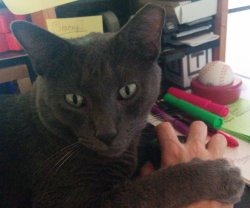
    Chat2Mr. Chat is a valued employee, part of the security and pest control division at The Wellness Club. He mostly works the night shift, ensuring that our facilities are well-patrolled and free of mice or other vermin. It must be a lonely job, and when we see Mr. Chat in the daytime he is quite vocal – which is how he came to be called Mr. Chat. Dr. Myatt named him Chat when she first met him and that tickled my funny bone since “Chat” is also the French word for cat.  Chat is a grey cat with a clipped ear, proving that he is a veteran of the Feral Cat Program. This feral cat appeared on Dr. Myatt’s balcony (yes, he climbed a tree to get there), and promptly adopted her. He has been a much-loved member of our family for the past two years. So imagine our concern when he stopped eating and turned yellow (jaundiced).

    This didn’t happen overnight. At first we noticed him losing weight but we attributed this to seasonal weight change. Working cats who partly hunt for a living and are not overfed often slim down a bit in the heat of summer. Then we noticed that he wasn’t eating and wasn’t hunting. He stopped eating entirely, and more telling, he stopped "chatting" to us. Finally we noticed that he was jaundiced. (Much easier to see in a human than a gray cat with yellow eyes!)  Jaundice indicates liver failure and it is a serious matter for man and beast.

    We aren’t veterinarians (nor have we ever played one on T.V.,) but we diagnosed Chat with feline hepatic lipidosis (feline fatty liver syndrome) which is a common liver disease in cats. Unlike humans who do quite well with intermittent fasting, several days of not eating in cats can cause this condition. Left unchecked it can be fatal.

    The disease has no known cause but it almost always begins when a cat loses appetite and stops eating, forcing the liver to convert body fat into usable energy. Humans do this easily; it is normal human physiology. Unlike human livers though the cat liver is not well-adapted for this task. Under fasting conditions, a cat’s liver soon becomes stressed and can even fail. In cats as in humans, liver failure can lead to what Dr. Myatt and I call a “negative wellness outcome.”

    We don’t know why Chat lost his appetite but we knew he was in serious trouble when we noticed the jaundice. He was going downhill quickly, barely moving from the same spot all day. Something had to be done to support his liver and it needed to be done now. Unfortunately there is nothing in conventional veterinary or human medicine that offers significant liver support. Lucky for him, Big Cat Momma (Dr. Myatt) is a specialist in herbal medicine and mentioned that the herb milk thistle is one of her most trusted herbs, performing miracles on the human liver. This benefit is well-documented and supported in the conventional medical literature. In addition, Dr. Myatt has had nearly thirty years of clinical experience with milk thistle. She knows and trusts what it can do.

    Here’s the "short course" on milk thistle from our website:

    Milk thistle (silybum marianum) has been the subject of hundreds of clinical trials, primarily exploring its role in liver disease but more recently looking at its effects on cancer, diabetes, and cardiovascular disease. It powerfully protects the liver from the effects of environmental toxins (such as carbon tetrachloride, acetaminophen, iron overload, mushroom poisoning). It is used in Emergency Room medicine in Europe for exposure to liver-toxic agents. Milk thistle is a powerful antioxidant, especially to the liver. It also stimulates liver cell regeneration. It has been proven useful for all types of liver disease, including alcoholic liver sclerosis, hepatitis, protection from environmental toxins, and protection from the liver-toxic effects of many drugs.

    Dr. Myatt said that in human liver failure, she would put a patient on a fairly high dose of milk thistle (1,000-1,500mg, 4 times per day) and expect to see fast and impressive results. In her words, she would tell a patient with a sick liver to "bathe it in milk thistle." Would it work for Chat the cat?

    Humans have different metabolisms than cats and dogs. A cat does not tolerate going without food for very long, yet fasting is OK and even healthy for humans.  We did some research to find out if milk thistle would be safe for a cat.  A quick search of the veterinary literature reassured us that milk thistle would be safe and beneficial. (Please always do such research before giving your pet something that would be good for humans. Some things that humans do well with can be toxic to our fur-babies).

    We started with a vigorous dose of milk thistle, one capsule 4 times per day. We used Dr. Myatt’s Milk Thistle Plus formula of course!

    In only 24 hours, Chat was noticeably better. He was moving more and looking perkier.  We were optimistic. We continued the same dose on day two and his  improvement continued. Today is the fourth day. Chat is eating, going up and down stairs and looks fairly close to normal. Cats typically aren’t happy swallowing capsules and while at first Chat didn’t have the energy to put up much fuss, he is now objecting much more strenuously to the four times per day dosing! That’s a good sign. The surest proof of his improvement is that he is talking — "chatting"— with us again.

    We hope and believe that Chat  will continue to improve and make a full recovery.  Time will tell, but for now it appears that the Milk Thistle snapped him out of liver failure and helped him regain his appetite. He now has a chance to recover from whatever stole his appetite in the first place.

    Are we telling you this so you will know how to treat a cat with liver failure?  Heck no, although if it is lifesaving for your cat one day, that’s great.

    We Want You To Know What Milk Thistle Can Do For You

    Your Liver – A Few Quick Facts

    What is it?
    Supporting almost every other organ in the body, this largest solid organ weighs about 3 pounds and is actually classified as a gland.

    What does it do?
    The liver carries out more than 500 functions! – Here are just a few:

    • One of its most well-known and important functions is the breakdown and removal of toxins from the body
    • Metabolizes many substances, including drugs and proteins
    • Breaks down carbohydrates and stores as glycogen
    • Manufactures glucose via neogenesis and works to regulate our blood sugar and manage our energy needs
    • Manufactures cholesterol, a substance vital to life
      Makes bile, an important digestive component
      Makes important blood clotting substances such as albumen, the most abundant protein in blood serum
    • Stores vitamins and minerals: Vitamins A, D, K, and B12, and iron and copper
    • Plays an important role in immunity
    • Synthesizes the hormone angiotensin, vital to maintaining our blood pressure

    Liver disease affects 30 million  Americans. An estimated three million alone have hepatitis C, just one of the many human liver diseases. Drug companies have responded with fantastically expensive treatments – upwards of $1000 per pill or $168,000 for a full course of treatment. Despite these crazy costs, this is still a cheaper option than liver transplant and subsequent life-long anti-rejection drugs.

    It isn’t just hepatitis C that damages the liver – environmental toxins and many drugs (such as  acetaminophen, aka Tylenol) can be damaging. Alcohol is one of the most common liver insults and though Milk Thistle has been touted as a “hangover cure,” it is really more beneficial for its ability to prevent the alcohol-induced damage in the first place.

    Many of our patients take Milk Thistle every day. Dr. Myatt swears by it and we take it ourselves.  It is one of those incredible herbs that doesn’t have a “too much” dose. Its safety profile is excellent. Recent experimental and clinical studies suggest that milk thistle also has anticancer, antidiabetic, and cardio-protective effects. These benefits have been published in conventional medical journals. (see the reference list at the end of this article). 

    If you want to show your liver some love — and you should love your live if you like being alive — then consider adding a high quality milk thistle formula to your daily supplement protocol. And for SURE take milk thistle if you ever have liver disease of any kind. It just might save your liver — or your life.


    References and further reading:

    WebMD, Nearly 3 Million Americans Living With Hepatitis C . http://www.webmd.com/hepatitis/news/20140303/nearly-3-million-americans-living-with-hepatitis-c?src=RSS_PUBLIC

    Tamayo C, Diamond S (2007). "Review of clinical trials evaluating safety and efficacy of milk thistle (Silybum marianum [L.] Gaertn.)" (PDF). Integrative Cancer Therapies. 6 (2): 146–57. doi:10.1177/1534735407301942. PMID 17548793. http://www.medmelon.gr/files4users/files/Tamayo%20and%20Diamond%20ICT%206%202.pdf  “Milk thistle extracts are known to be safe and well tolerated, and toxic or adverse effects observed in the reviewed clinical trials seem to be minimal.”

    Brandon-Warner E, Sugg JA, Schrum LW, McKillop IH. Silibinin inhibits ethanol metabolism and ethanol-dependent cell proliferation in an in vitro model of hepatocellular carcinoma. Cancer Lett. 2010 May 1;291(1):120-9. Epub 2009 Nov 8.

    Chen CH, Huang TS, Wong CH, Hong CL, Tsai YH, Liang CC, Lu FJ, Chang WH. Synergistic anti-cancer effect of baicalein and silymarin on human hepatoma HepG2 Cells. Food Chem Toxicol. 2009 Mar;47(3):638-44. Epub 2008 Dec 25.

    Cheung CW, Gibbons N, Johnson DW, Nicol DL. Silibinin–a promising new treatment for cancer. Anticancer Agents Med Chem. 2010 Mar;10(3):186-95.

    Comelli MC, Mengs U, Schneider C, Prosdocimi M. Toward the definition of the mechanism of action of silymarin: activities related to cellular protection from toxic damage induced by chemotherapy. Integr Cancer Ther. 2007 Jun;6(2):120-9.

    Momeny M, Khorramizadeh MR, Ghaffari SH, Yousefi M, Yekaninejad MS, Esmaeili R, Jahanshiri Z, Nooridaloii MR. Effects of silibinin on cell growth and invasive properties of a human hepatocellular carcinoma cell line, HepG-2, through inhibition of extracellular signal-regulated kinase 1/2 phosphorylation. Eur J Pharmacol. 2008 Sep 4;591(1-3):13-20. Epub 2008 Jun 7.

    Post-White J, Ladas EJ, Kelly KM. Advances in the use of milk thistle (Silybum marianum). Integr Cancer Ther. 2007 Jun;6(2):104-9.

    Ramakrishnan G, Lo Muzio L, Elinos-Báez CM, Jagan S, Augustine TA, Kamaraj S, Anandakumar P, Devaki T. Silymarin inhibited proliferation and induced apoptosis in hepatic cancer cells. Cell Prolif. 2009 Apr;42(2):229-40.

    Ramasamy K, Agarwal R. Multitargeted therapy of cancer by silymarin. Cancer Lett. 2008 Oct 8;269(2):352-62. Epub 2008 May 9. Cancer Lett. 2008 Oct 8;269(2):352-62. Epub 2008 May 9.