Category: Digestive Health

  • Enzymes, Prebiotics, Probiotics – Sorting Out The Confusion

    Regular HealthBeat News readers know that we believe a healthy G.I. (digestive) system is vital to the healthy functioning of all parts of the body. In our recent HealthBeat article “Pearls From Recent Medical Conferences” we mentioned that even conventional medicine has come to realize that supporting digestive function and the ability to digest and assimilate nutrients is essential to good health. Unfortunately there is some confusion around the buzzwords that are being tossed around with regard to digestive enzymes, prebiotics, and probiotics. Just what is each of these things, and what do they do?

    Digestive Enzymes
    The initial breakdown of the dietary macronutrients carbohydrate, fat, and proteins is accomplished by digestive enzymes that are produced by the the pancreas and the small intestine. The main enzymes responsible for breaking down these macronutrients are pepsin, pancreatic amylase, lipase, and protease. The production of these enzymes frequently slows with aging, and insufficient production or secretion of them can lead to reduced G.I. function and digestive complaints like bloating, gas, and irregularity.

    Prebiotics
    Prebiotics are dietary fibers from carbohydrates that are resistant to hydrochloric acid and digestive enzymes and so avoid being broken down until they reach the colon where they are acted upon by colonic microbes – those good gut bacteria that we have discussed before. Prebiotics are found in complex carbohydrates such as inulin, fructooligosaccharides (FOS), galactooligosaccharides (GOS), and resistant starches.

    When these prebiotic dietary fibers arrive in the colon they serve as food for beneficial colonic microbes such as bifidobacterium. Through a process of fermentation they produce the short-chain fatty acids (SCFAs) acetate, butyrate, and propionate. Butyrate is the main energy source for the cells that line the colon. Acetate is primarily utilized by skeletal and cardiac muscles, and propionate is metabolized by the liver and is important in cholesterol synthesis. SCFAs promote the growth of bifidobacterium strains in the intestinal tract and by helping these beneficial microbes proliferate they inhibit the growth of other less beneficial (or even harmful) microbes.Including prebiotics in the diet has also been shown to increase fecal bulking, improve stool consistency, and promote the bowel mobility called peristalsis. Absorption of minerals like calcium, selenium, and magnesium is also improved with prebiotic use due to SCFAs’ ability to breakdown phytic acid complexes and release these minerals in their free form.

    Besides promoting G.I. health, prebiotics have been shown to support satiety (the feeling of fullness after eating), insulin secretion, and cellular responsiveness. G-protein coupled receptors for short-chain fatty acids have been found on enterocytes, leukoycytes, and enteroendocrine cells, giving SCFAs the ability to stimulate GLP-1 secretion. Poor fiber intake is common among all age groups, with fiber intake barely averaging half of the Dietary Reference Intake(DRI). (But be careful: Even though most people may need to increase their fiber intake, an abrupt addition of large amounts of fiber-rich prebiotic foods can cause abdominal discomfort – like exercise, start slow and work up!) So, prebiotics serve as food for probiotics and they get their name from this function. Prebiotics are of interest to both researchers and clinicians because carefully choosing a prebiotic may lead to the proliferation of certain probiotics – and that is what we call a “positive wellness outcome”!

    Probiotics
    The microbiotic “garden” that resides in the human gastrointestinal tract contribute to a great many of metabolic, nutritional, physiological, and immunological functions. Although different gut bacteria have different jobs, their health benefits are mainly derived from their antimicrobial effects, immune modulation activity within the gut-associated lymphoid tissue (GALT), and their contribution to intestinal barrier integrity through increased IgA production and expression of adhesion proteins in the tight junctions. Gut microbes have also been studied for their role in glycemic function and supporting lipids within normal limits.

    The proportion of beneficial microbes in the gut can be influenced by the addition of probiotics — that is, live gut bacteria taken in oral supplement form. The most widely used and studied probiotics are Lactobacillus and Bifidobacterium. In spite of their extensive clinical application, it is necessary to be aware of certain cautions when using probiotics since probiotic benefits are genus and species specific and their therapeutic use should be tailored for each individual person.

    There are specific factors that suggest the need for digestive support with probiotics and it is important to remember that each person is unique in their needs, and that needs may change for each person over time. A skilled Naturopathic doctor will use assessments that can include testing of breath, stool, blood, and urine but usually the first assessment tool to determine the use of enzymes, prebiotics, and probiotics, is a detailed interview and health questionnaire.

    With proper use, enzymes, prebiotics, and probiotics can optimize digestive function, ensure the assimilation of vital nutrients, promote healthy immune function, and lay a strong foundation for better overall health.

    Resources and references:

    Useful supplements:

    35 Billion Probiotic: https://www.drmyattswellnessclub.com/supremadophilus.htm

    Prebiotics (fiber): https://www.drmyattswellnessclub.com/MaxiFiber.htm

    Digestive enzymes: https://www.drmyattswellnessclub.com/similase.htm , https://www.drmyattswellnessclub.com/betainehcl.htm

    HealthBeatNews article:

    Pearls From Recent Medical Conferences http://healthbeatnews.com/pearls-from-recent-medical-conferences/

    Scholarly references:

    Ianiro G, Pecere S, Giorgio V, Gasbarrini A, Cammarota G. . Digestive Enzyme Supplementation in Gastrointestinal Diseases.  Current Drug Metabolism. 2016. 17:187-93.

    Roberfroid M, Gibson GR, Hoyles L, McCartney AL, Rastall R,  et al. Prebiotic effects: metabolic and health benefits.  Br J Nutr. August 2010. 104. 2:S1-63.

    Scholz-Ahrens KE, Ade P, Marten B, et al.. Prebiotics, Probiotics and Synbiotics Affect Mineral Absorption, Bone Mineral Content and Bone Structure.  J Nutr.. March 2007. 137. 3 Suppl. 2:838S-46S.

    Walker AW, Duncan SH, McWilliam Leitch EC, Child MW, Flint HJ. pH and Peptide Supply Can Radically Alter Bacterial Populations and Short-Chain Fatty Acid Ratios within Microbial Communities from the Human Colon. Applied and Environmental Biology. July 2005. p. 3692-700.

    Niittynen L, Kajander K, Korpela R Galacto-oligosaccharides and bowel function. Scand J Food Nutr. June 2007. 51(2):62-6.

    Jones JM. Dietary Fiber Future Directions: Integrating New Definitions and Findings to Inform Nutrition Research and Communication. Adv Nutr. Jan 1 2013. 4(1):8-15.

    Saulnier DM, Ringel Y, Heyman MB, Foster JA, Bercik P, et al. The intestinal microbiome, probiotics and prebiotics in neurogastroenterology. Gut Microbes. January/February 2013. 4:1, 17-27.

    Yoo J, Kim S. Probiotics and Prebiotics: Present Status and Future Perspectives on Metabolic Disorders. Nutrients. 2016. 8:173.

    Doron S, Snydman DR. Risk and safety of probiotics. Clin Infect Dis. 2015 May 15;60 Suppl 2:S129-34.

  • Gallbladder "Attacks" and Gallstones

    How to End the Pain and Save Your Gallbladder

    Nearly half a million gallbladder surgeries — removal, or cholecystectomy to be precise — are performed each year in the US. Many of the people who give up their gallbladders to such surgery appear to be fine, and the pain of their gallbladder attacks are over. Oddly enough, for many others, gallbladder "attacks" continue even in the absence of a gallbladder – in fact, one authoritative source indicates that Post Cholecystectomy Syndrome (PCS) affects at least 10 to 15% of people who have had their gallbladders removed!

    Are the people who have given up their gallbladders really "fine"? And why do others continue to have pain in spite of removal of their gallbladder?

    Conventional medical doctors make no attempt to help people "save" their gallbladders when stomach or other symptoms is believed due to gallbladder attacks. In fact, many gallbladders are removed even when scans do not show anything wrong with the gallbladder. Because there is no attempt to preserve this organ in conventional medicine, and because many people feel better after surgical removal of their GB, people mistakenly believe that the gallbladder isn’t important and that living without it makes no difference. Unfortunately, this viewpoint is incorrect and can be downright unhealthy.

    Contrary to common belief, the gallbladder isn’t just a "vestigial organ" with little or no importance. One of the primary jobs of the gallbladder is to control the flow of bile which in turn is needed to absorb fats, oils and fat-soluble nutrients. Once the gallbladder is removed, these functions cannot happen normally, at least not without additional "outside help" from supplementation.

    Although steps can be taken to prevent nutrient deficiencies if you have already had your gallbladder removed, let’s talk about another important question. How can you get rid of gallbladder "attacks" and keep your gallbladder in the first place? After all, "prevention" is always easier than cure.

    The Real Cause of Gallbladder Pain

    Gallbladder pain is usually blamed on gallstones, although stones are rarely the cause of intermittent GB discomfort.

    Stones of a particular size that get stuck in the bile duct are indeed incredibly painful. If they are not passed quickly, gangrene of the duct and gallbladder can set in with life-threatening complications. This is the only true "surgical emergency" of gallbladder stones.

    However, most stones are too large to obstruct the gall duct. Other people have "sand," which is fine particulate that is too small to obstruct the gall duct. So where does the pain come from?

    The real cause — and cure — of gallbladder pain was discovered back in 1968 by a physician named James C. Breneman. Dr. Breneman was chairman of the Food Allergy Committee of the American College of Allergists, or ACA (now called the American College of Allergy and Immunology, or ACAI). Dr. Breneman discovered that attacks of gallbladder pain are caused by food allergies.

    In 1968, he put 69 people who suffered from recurrent gallbladder attacks on an elimination diet to determine their food allergies. Six of the subjects already had their gallbladders removed but were still having gallbladder "attacks," a phenomenon known as "post-cholecystectomy syndrome." Dr. Breneman found that all 69 people — 100 percent! — were totally symptom-free of gallbladder pain when they avoided their individual food sensitivities, and all 69 had a recurrence of their symptoms when they ate the foods they reintroduced the foods they were allergic to back into their diets.

    The most common allergenic foods were found to be eggs (92.8%), pork (63.8%), onions (52.2%), chicken and turkey (34.8%), milk (24.6%), coffee (21.7% ), and oranges (18.8%). Corn, beans, nuts, apples, tomatoes, peas, cabbage, spices, peanuts, fish, and rye accounted for between 1 to 14.5% of gallbladder attacks. 14 of the 69 study participants (over 20 percent) also had gallbladder attacks caused by medications.

    How Allergies Cause Gallbladder Attacks

    Illustration of the biliary system, showing the liver, gallbladder, pancreas, and the duodenum with the appendant ducts.

    The body’s reaction to allergic substances is to cause swelling (remember how your nose swells if you have seasonal allergies?). When food and medication allergies cause swelling of the gallbladder ducts, bile flow is obstructed. The symptoms of allergy-caused obstruction are the same as a stone being stuck in the duct. (Hence the blame being laid on a "stone" when in fact, swelling of the tissue caused by a food or medicine reaction is the real culprit).

    The Cure for Gallbladder Pain

    The real treatment for most GB pain isn’t to remove this important organ, but to perform an elimination / challenge diet or food allergy testing and find the offending foods and medications.

    The Dangers of Gallbladder Removal

    What Can Happen Without a Gallbladder?
    Vitamin A Deficiency
    symptoms include changes in vision (night blindness, dry eyes, macular degeneration), decreased immunity and skin diseases.
    Vitamin D Deficiency symptoms include cancer, osteoporosis, dental disease and decreased immune function.
    Vitamin K Deficiencies are associated with osteoporosis and atherosclerosis
    Vitamin E Deficiency is associated with cancer, heart disease, neurological diseases and a long list of other health problems.
    Essential Fatty Acids regulate everything from cardiac function to immunity and inflammation.

    The gallbladder stores and then releases bile in response to fats contained in a meal. Bile is necessary to assist the digestion of fats and fat-soluble vitamins.

    When the gallbladder is removed, vitamins A, E, D, K, and essential fatty acids are not absorbed properly. Unfortunately, the symptoms of declining fat-soluble vitamins and essential fats come on slowly and most often, unnoticeably. Health problems can be many and varied, associated with a deficiency of any or all of these fat-soluble vitamins.

    Who would guess that removal of the gallbladder, especially without replacement of bile salts (which is NEVER suggested in conventional medicine), could contribute to the premature development of so many and varied health problems, all related to fat soluble nutrient assimilation?

    Other Nutrients for Gallbladder Health

    Low stomach acid can cause or contribute to the development of gallstones. Correcting a stomach acid deficiency is of primary importance when addressing gallbladder health.

    Here is more information about the many symptoms and diseases associated with low stomach acid.

    And here is a simple self-test kit to help you determine if you need supplemental betaine hydrochloride:

    Magnesium deficiency is extremely common among people who suffer from gallbladder pain and stones (even when the stones are not the actual cause of the pain). And if magnesium deficiency relates to the development of stones, the news gets even worse for those who don’t supplement: 60% of post-GB removal patients suffer from magnesium deficiency and 40% from calcium/magnesium deficiency.

    A high-quality daily multiple vitamin/mineral supplement such as Maxi Multi contains a full daily recommended dose of magnesium and calcium. For those taking "one-per day" multiples or no extra supplementation at all, additional magnesium supplementation is highly recommended.

    References

    1. Jensen, Steen W.  "Postcholecystectomy Syndrome" Jan 16, 2008 http://emedicine.medscape.com/article/192761-overview
    2. “Fast Stats: Inpatient Surgery, 2002,” U.S. Centers for Disease Control (www.cdc.gov), accessed 8/25/04
    3. Breneman JC “Allergy Elimination as the Most Effective Gallbladder Diet.” Annals of Allergy 1968; 26; 83-89
    4. Breneman, James C. Basics of Food Allergy. Springfield (IL): CC Thomas (pub), 1978.
    5. Tsai CJ, Leitzmann MF, Willett WC, Giovannucci EL. Long-term effect of magnesium consumption on the risk of symptomatic gallstone disease among men. Am J Gastroenterol. 2008 Feb;103(2):375-82. Epub 2007 Dec 12.
    6. Szántay J, Varga D, Porr PJ. Post-cholecystectomy syndrome and magnesium deficit.Acta Physiol Hung. 1992;80(1-4):391-8.
  • The Most Important Immune Supplement Ever

    By Dr. Dana Myatt


    It’s a "big news day" when holistic and conventional medicine agree on something.

    Nurse Mark and I attend a LOT of continuing medical education conferences so we can stay on the leading edge of health and medicine. Two recent conferences — one, a naturopathic conference on Infectious Diseases and the other a conventional medical conference on Managed Care — surprisingly both gave the same message on what is probably the most important immune supplement known right now: Probiotics. It turns out that holistic and conventional medicine currently completely agree on a natural substance and its importance to health. Here’s the "short course."

    Probiotics are the bacteria that inhabit the small and large intestine. Humans carry around three pounds of these organisms in the gut. When we’ve got "the good stuff" (lactobacillus and bifidobacterium species), these bacteria perform a number of important and health-maintaining functions for us including:

    • preventing bad bacteria from colonizing the gut
    • helping the body recognize "safe" versus "non safe" substances and directing the appropriate immune response
    • protecting the GI barrier so that foreign substances are not absorbed
    • assisting digestion
    • immune modulation: helping keep the "right amount" of immunity — not too much, not too little


    Having a large population of these good bacteria plays a huge role in normal immune function. If the gut has lots of good bacteria then we’ve got on our armor against many diseases and insults. This effect is so strong that medicine is looking at "vaccinating" against infectious disease simply by ensuring a healthy gut bacterial population.

    Many factors can alter the population of good gut bacteria, decreasing numbers of The Good Guys and/or increasing numbers of The Hoodlums. These factors start at birth. Vaginal-birthed babies are more likely to have "good bacteria" colonizing the gut whereas babies delivered by C-section are tend to have unfavorable strains colonizing the gut. This is important because it sets the tone for lifelong immunity.

    Other factors that effect the gut micro flora include diet, antibiotics both in food and when used medically, and aging.

    The take home points from my two recent conferences are as follows:

    • maintain a bountiful "garden" of good gut bacteria in order to keep the immune system strong and prevent disease
    • lactobacilli and bifidobacterium of various strains are the "good bacteria"
    • taking a probiotic supplement might be one of the most powerful things we can do to protect ourselves from disease including wintertime infectious diseases like colds and flu
    • we need to take a LOT (high bacterial count) of "The Good Guys" in order to get the desired effect


    For this reason, I am discontinuing our regular Supremadophilus and offering my 35 Billion Probiotic formula exclusively. Although it looks more expensive, it isn’t because you need to take less.

    For general immune support: 1-2 capsules per day (divide the dose if you are taking two caps). Take with a meal.

    When taking antibiotics: 2-3 caps per day with meals. Continue for 6-8 weeks after discontinuing the antibiotic.

    I have started taking 35 Billion Probiotics twice per day with meals and will do so at least all Winter and Spring long. While those around me are dropping like flies, succumbing to colds, flu and the like, I’m willing to wager that I won’t be among the fallen this season.


    REFERENCES

    1.) Man AL, Bertelli E, Rentini S, Regoli M, Briars G, Marini M, Watson AJ, Nicoletti C. Age-associated modifications of intestinal permeability and innate immunity in human small intestine. Clin Sci (Lond). 2015 Oct;129(7):515-27. doi: 10.1042/CS20150046. Epub 2015 May 7.
    2.) Sassone-Corsi M., Raffatellu M. No vacancy: how beneficial microbes cooperate with immunity to provide colonization resistance to pathogens. J Immunol. 2015 May 1;194(9):4081-7. doi: 10.4049/jimmunol.1403169.
    3.) Bermon S, Petriz B, Kajeniene A, Prestes J, Castell L, Franco OL. The microbiota: an exercise immunology perspective.Exerc Immunol Rev. 2015;21:70-9.
    4.) Yoon MY, Lee K, Yoon SS. Protective role of gut commensal microbes against intestinal infections. J Microbiol. 2014 Dec;52(12):983-9. doi: 10.1007/s12275-014-4655-2. Epub 2014 Nov 29.
    5.) Bermudez-Brito M., Plaza-Díaz J, Muñoz-Quezada S., Gómez-Llorente C., Gil A.
    Probiotic Mechanisms of Action. Ann Nutr Metab 2012;61:160–174.

  • Separating Real Science From B.S. – The Dr. Myatt Way

    By Nurse Mark


    Of all the video presentations Dr. Myatt has made, her presentation on Magnesium Stearate is arguably one of the most popular.

    We have heard from countless customers and patients who are grateful to have the hype and B.S. (that’s Bad Science) cleared away for them.

    We have heard from supplement manufacturers who have told us that this video presentation is now required watching for their employees as a part of their continuing education because Dr. Myatt has made a complicated subject understandable, even for those without biochemistry degrees.

    And we hear from people who probably do have biochemistry degrees, who like to challenge us with all sorts of “have you seen this information that says you are wrong” questions.

    Here is a most recent question of the latter sort – this fellow thought that with this information he surely had us:

    Dear Dr. Myatt,
    I watched your youtube video regarding magnesium stearate. The only thing that wasn’t discussed is the absorption issue. Several studies show that mg stearate lowers the absorption of the supplement drastically.
    Here are some studies plus a video which shows an experiment showing the reduced absorption: http://www.ncbi.nlm.nih.gov/pubmed/3735097 , http://www.ncbi.nlm.nih.gov/pubmed/903855 , https://youtu.be/qP8i3_EfP7M
    This would make mg stearate not an ideal filling substance or do you see this differently?
    Best regards,
    Mark , The Netherlands


    Dr. Myatt answered Mark with the following information (we are quite familiar with all 3 of the “references” that he provided.):

    The two studies you cite are "in vitro," meaning in a test tube.

    Absorption will be much different in an actual human ("in vivo") since humans have hydrochloric acid and multiple enzymes to aid digestion and assimilation.

    Magnesium stearate is a naturally occurring component of many foods as I discuss in my video. No problems have been seen with decreased assimilation due to ingestion of magnesium stearate containing foods.

    If you find any studies that show decreased absorption in humans, I’d be most interested to see them. Until then, I do not have any data or studies or even a theoretical basis to suggest that "mg stearate lowers the absorption of the supplement drastically."


    Mark surprised us by emailing back his thanks:

    Thanks for the quick response.
    I think you are right about the in vitro studies. I haven’t seen in vivo studies yet claiming the same thing. So that’s cleared up for now then!
    Thanks again.
    Best regards, Mark


     A quick review:

    We do cover this in the Magnesium Stearate presentation, but it is worth covering again since the third “reference” Mark provided was a “chemistry experiment” offered by someone who should have known better. The doctor presenting this flawed “experiment” has obviously forgotten his anatomy and physiology from his schooling, but he has certainly not forgotten all about marketing. He shamelessly pushes his own brand of supplements at the end of the video, claiming them to be superior because they do not contain mg stearate.

    Here is what he forgot to mention in describing his “experiment.”

    Distilled vinegar as he used is actually quite a weak acid. Distilled vinegar also contains no other enzymes to aid in the breakdown of mg stearate. He also did not agitate or stir his “experiment” in any way – even though a human stomach is in constant mixing, stirring motion.

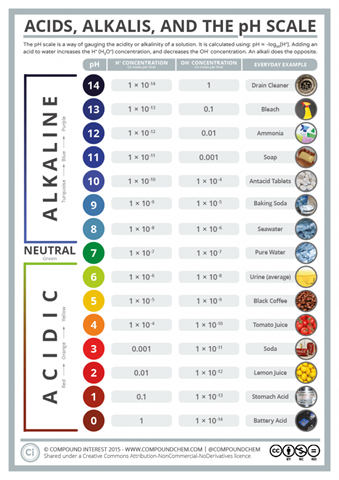
    pH is a bit of a tough concept – the pH “scale” is logarithmic meaning that for every one point on the scale there is a 10-fold increase or decrease from the next point. This means that the difference between, say, pH 2 and pH 3 is Huge – not minor, and the difference between the pH 1.5 of your stomach acid and the pH 2.4 of vinegar is likewise a Huge difference!

    The purest HCL (hydrochloric or ‘sulphuric’ acid) has a pH of 0 – it is as acid as anything can be.

    Battery acid, like in your car battery, has a pH of between 0 and 1.

    Human gastric acid, as produced by your stomach (if it is healthy) has a pH of around 1 to 1.5.

    Distilled vinegar has a pH of around 2.4 and cola has a pH around 2.5.

    Pure water has a pH of 7.0 and is considered ‘’neutral.’

    Your blood has a pH of 7.4 normally – and that is considered to be very slightly alkaline.AcidAlkaliScale

    How The B.S. happens:

    As you can see, it is easy to get B.S. started. Find a few “experiments” or in vitro (test-tube) studies, mix it all together to prove whatever you want to prove, and let the magic and viral power of the internet do the rest as one person quotes it to another, who quotes it to 10 more, who each then quote it to hundreds… suddenly B. S. has become “truth” since so many people have said it is so!

    Why would a doctor use a flawed experiment like this?

    It is what is known in marketing as a U.S.P. – a Unique Selling Proposition. It’s the thing that makes this product “special.”

    Why is this important?

    Let’s face it – when it comes to supplements, there is not much truly “new.” Vitamin C is Vitamin C, no matter how wonderful it’s flavor or packaging.

    In order to sell otherwise common vitamins and supplements, marketers need to somehow make their brand more “special” that all the others.

    Nano-particles, micronized, hyper-absorbable, energy-infused, and, yes, “free of the evil magnesium stearate.” All these claims are used in an attempt to set one otherwise fairly common product apart from all the others that are just like it.

    So, don’t fall for B.S. and grand claims. Be sure to actually verify references and make sure that references are relevant to human beings, not just test tubes.

    And please be sure to refresh your memory regarding the B.S. surrounding the Magnesium Stearate “controversy”:

  • Summer’s Here – Avoid This Common And Debilitating Illness

    By Nurse Mark


    Ever hear of “Beaver Fever”?

    Yes, it’s a real disease, and despite it’s funny name it brings misery to millions worldwide. Summer is here now, and that means that more Americans will be catching this disease and suffering it’s nasty effects too.

    You can learn more about this protozoan infection and how to prevent it and deal with it here on our website: Giardia