Category: Cholesterol

  • New Research Into Statin Drug Memory Loss

    Part III of a multi-installment series on cholesterol and the dangers of statin drugs.

    Part II can be found here: Trade Your High Cholesterol For Diabetes!
    Part I can be found here: Lower Your Cholesterol – Lose Your Marbles?

    By Nurse Mark


    StatinWarning With evidence growing daily of the damaging health effects of statin drugs, more and more researchers are turning their attention to the problem and new information is emerging that helps to explain how these drugs do their damage.
    University of Arizona researchers have described their findings in a April 8, 2013 news article: Research Reveals Possible Reason for Cholesterol-Drug Side Effects

    A University of Arizona research team has made a novel discovery in brain cells being treated with statin drugs: unusual swellings within neurons, which the team has termed the “beads-on-a-string” effect.


    According to researchers:

    In addition to detecting the beads effect, the team came upon yet another major finding: when statins are removed, the beads-on-a-string effect disappears, offering great promise to those being treated with the drugs.


    The research team is also looking into whether there may be a genetic susceptibility to this distressing effect of statins on neurons, which are the nerve cells that make up our brains and nervous system – but for now, the good news in this report is that the swellings that cause the neurons to malfunction and thus cause memory to disappear and thinking to be clouded tend to get better and eventually disappear after the statin drugs are stopped:

    … Chuang was testing gene mutations and found variation in sensitivity to statins. It was through the work of Chuang and Kraft that the team would later determine that, after removing the statins, the cells were able to repair themselves; the neurotoxicity was not permanent, Restifo said.

    “In the clinical literature, you can read reports on fuzzy thinking, which stops when a patient stops taking statins. So, that was a very important demonstration of a parallel between the clinical reports and the laboratory phenomena,” Restifo said.


    Whatever the cause for this statin-caused memory and mental function impairment, it is reassuring to know that it need not be permanent – and that simply stopping the drug can allow memory and clear thinking to return.

    Too bad the other dangerous side effects of statins like Type II diabetes, liver failure, and muscle damage aren’t temporary!


    Additional reading:

    Please read our recent article on Statins and Memory Loss: Lower Your Cholesterol – Lose Your Marbles?

    FDA Consumer Information: FDA Expands Advice on Statin Risks
    http://www.fda.gov/ForConsumers/ConsumerUpdates/ucm293330.htm

    FDA Drug Safety Communication: Important safety label changes to cholesterol-lowering statin drugs
    http://www.fda.gov/Drugs/DrugSafety/ucm293101.htm

    Dangers of Statin Drugs: What You Haven’t Been Told About Popular Cholesterol-Lowering Medicines         
    Sally Fallon and Mary G. Enig, PhD
    http://www.westonaprice.org/cardiovascular-disease/dangers-of-statin-drugs

  • Trade Your High Cholesterol For Diabetes!

    Part II of a multi-installment series on cholesterol and the dangers of statin drugs.

    What a Deal! You can drive your cholesterol levels dangerously low while developing Type II Diabetes at the same time! Wow – thanks Big Pharma!


    By Nurse Mark


    StatinWarning In my last HealthBeat article Lower Your Cholesterol – Lose Your Marbles? I talked about how the mighty FDA – the thuggish bodyguard to Big Pharma – has had to ask it’s corporate masters to include new warnings about dangerous side effects on the information inserts for statin drugs.

    You know the ones, those tightly folded papers covered in tiny print that describe a drug’s side effects in mind-numbingly boring terms. You read them all the time, right? Yeah, I thought so…

    The dangers of these drugs are becoming so obvious that the FDA can’t ignore them any longer – hence the new warnings about memory loss and confusion, Type II diabetes, liver failure, and muscle damage.

    Even so, says the FDA, we mustn’t stop using statins, for their “benefits” far outweigh the “rare” risks of complications like these.

    We’ll talk about the supposed “benefits” of statins in an upcoming article, but for right now let’s look at one of these “rare” risks that the FDA is finally admitting to.

    Folks, I don’t know about you, but any risk of developing Type II diabetes with all the complications that go along with it is too great a risk for me to take willingly. Some of those complications include heart disease. Uh, wait a minute… isn’t that what the statin was supposed to fix?

    And “rare”? It seems to me that with the increase in risk for developing diabetes while taking a statin running as high as 22 percent according to a most recent study this is a risk that is a little more than “rare.”

    Canadian researchers examined the medical records of over a million and a half elderly people in the province of Ontario to examine the association between statin use and new onset diabetes and they reported their findings in the British Medical Journal.

    The results do not look good for statins, and while there will surely be attempts made to discredit the study, the results of the researchers are not new – similar results have been obtained in past studies. The evidence is mounting.

    In a study published in the medical journal The Lancet in 2010 researcher David Preiss, MRCP, a clinical research fellow at the British Heart Foundation Glasgow Cardiovascular Research Center at the University of Glasgow in Scotland reported similar, though less dramatic findings. That study was however very careful to state the opinion that the risk of diabetes was low compared to the risk of heart disease and that patients should not stop taking statins…

    Now, to be fair, some research has shown that some forms of statin drugs may actually protect from the development of diabetes – in previous research, the popular statin Crestor has been associated with up to a 27 percent higher risk of diabetes, while the older and somewhat less popular statin Pravachol was said to be linked to a 30 percent lower risk. While it may be better from the standpoint of causing diabetes, Pravachol still brings all the other worrisome side effects common to the other statin drugs – muscle damage, liver damage, memory loss and confusion. Not my idea of a fun time…

    So, is it worth it? Remember, cholesterol is essential to life – so essential that our liver will make it from new even if we never eat another thing containing cholesterol. Cholesterol is a major component of the walls of our cells – it is our “waterproofing.” It is the substance that keeps the insides in and the outside out. It’s also the basic building block for the hormones that keep our endocrine system going. It’s the substance that forms the insulating sheaths on our nerves, just like the insulation on the wires in your home.

    Is it really worth driving away this essential substance, at the risk of inviting in diabetes?

    Personally I don’t think so – and we’ll talk more about some of the other dangers of statin drugs soon!


    Additional reading:

    FDA Consumer Information: FDA Expands Advice on Statin Risks
    http://www.fda.gov/ForConsumers/ConsumerUpdates/ucm293330.htm

    FDA Drug Safety Communication: Important safety label changes to cholesterol-lowering statin drugs
    http://www.fda.gov/Drugs/DrugSafety/ucm293101.htm

    Dangers of Statin Drugs: What You Haven’t Been Told About Popular Cholesterol-Lowering Medicines          
    Sally Fallon and Mary G. Enig, PhD
    http://www.westonaprice.org/cardiovascular-disease/dangers-of-statin-drugs

    http://www.thelancet.com/journals/lancet/article/PIIS0140-6736(09)61965-6/abstract
    The Lancet, Volume 375, Issue 9716, Pages 735 – 742, 27 February 2010
    Statins and risk of incident diabetes: a collaborative meta-analysis of randomised statin trials
    Findings
    We identified 13 statin trials with 91 140 participants, of whom 4278 (2226 assigned statins and 2052 assigned control treatment) developed diabetes during a mean of 4 years. Statin therapy was associated with a 9% increased risk for incident diabetes (odds ratio [OR] 1·09; 95% CI 1·02—1·17), with little heterogeneity (I2=11%) between trials. Meta-regression showed that risk of development of diabetes with statins was highest in trials with older participants, but neither baseline body-mass index nor change in LDL-cholesterol concentrations accounted for residual variation in risk.

    http://www.nlm.nih.gov/medlineplus/news/fullstory_137140.html
    Could Statins Raise Diabetes Risk? Some popular brands associated with high blood sugar levels in study, but odds of problems are low. By Margaret Farley Steele Friday, May 24, 2013 MedLinePlus

    http://www.bmj.com/content/346/bmj.f2610
    Risk of incident diabetes among patients treated with statins: population based study
    BMJ 2013 (Published 23 May 2013)
    Discussion
    In this population based study, we found that patients treated with atorvastatin, rosuvastatin, or simvastatin were at increased risk of new onset diabetes compared with those treated with pravastatin.

  • Lower Your Cholesterol – Lose Your Marbles?

    Part I of a multi-installment series on cholesterol and the dangers of statin drugs.

    By Nurse Mark


    It seems so…

    StatinWarning

    The evidence has become so compelling that statin drugs cause memory and cognition (thinking) problems that even the mighty FDA, sworn protector of the pharmaceutical industry, has been forced to require drug makers to mention the possibility of “Memory loss and confusion” as an adverse effect in the fine print of their drug labels.

    Well, whoop-tee-doo!
    Who reads all that fine print stuff anyway?!?

    But, says the FDA “expert”, you mustn’t stop taking those statins because the drug companies say they will keep you from having a heart attack, and besides, these episodes of cloudy thinking, loss of memory, and confusion are “rare.”

    Riiiight… “rare.”

    So rare that the FDA has been forced to ‘fess up and require label warnings…

    And, according to the FDA: “The reports about memory loss, forgetfulness and confusion span all statin products and all age groups. Egan [the FDA “expert”] says these experiences are rare but that those affected often report feeling “fuzzy” or unfocused in their thinking.”

    So fuzzy and unfocussed that some elderly statin users are being mis-diagnosed and treated as having senile dementia or even Alzheimer’s ? Maybe even being prescribed drugs based on such a misdiagnosis? Or worse yet, that someone might become so confused that they find themselves forced out of their home and into a “care facility”?

    I would hate to think that such a tragic mis-diagnosis could happen, but anecdotal reports of this are becoming more common with each passing day. And if the FDA is forcing drug makers to warn users about this it certainly must be more than “just” anecdotal reports – it must be a real thing.

    So, where is the “hard evidence” that statins cause memory or cognition problems? Good Question! In reviewing the medical literature it’s almost impossible to find anything – nary a study, an article, a case review – that is critical of statin drugs. Even those articles that report less-than-favorable effects from statin use do so in the most mild, weasel-worded way possible – as if the authors are terrified of incurring the wrath of Big Pharma for criticizing what has become one of the biggest cash cows in modern history.

    In fact, you can find citations (medical and scientific articles or references) that actually try to make a case for statins improving mental function in elderly people! Digging a little deeper into those articles usually finds that 1.) the evidence for improvement is weak at best and 2.) either the “study” was funded directly by a drug company or the authors of the study had significant ties to and support from Big Pharma. This tends to make my B.S. warning light flash… (B.S. means Bad Science folks!)

    But once away from the “conventional” scientific and medical literature where Big Pharma is in control there are plenty of stories about people becoming confused or losing their memory after starting on statins. There are even carefully researched studies reporting problems that Big Pharma seems all too eager to silence.

    Consider Dr. Duane Graveline – a former NASA astronaut and physician. Graveline experienced first-hand the devastating effects of statin drugs when after taking a relatively low dose of a statin drug for a short while he experienced an episode of total global amnesia, losing his memory for several hours. After he recovered from that episode, regaining his memory, his doctors convinced him that he should try the statin drugs once again, claiming that the memory loss couldn’t possibly be caused by the drugs. He did, and promptly experienced another episode of amnesia.

    Dr. Graveline recovered from that second episode as well and has gone on to research the ill effects of statins, writing books and authoring research papers. For anyone with an interest in the dangers of statins his website – www.SpaceDoc.com – is a “must visit” that offers a wealth of otherwise suppressed information.

    And That’s Not All, Folks!

    In addition to the new warnings about memory loss and confusion that the FDA has been forced to require drug makers to put on their information sheets (the ones that nobody bothers to read anyway…) they have also been forced to admit to some other problems that statins are causing.

    Nothing serious mind you, just little things like Type II diabetes, liver failure, muscle damage

    But don’t worry says the FDA – these problems are “rare.” Never mind that one of the most important muscles in your body and one that’s highly susceptible to statin-induced “damage’ is your heart… or that you only get one liver, or that Type II diabetes is no laughing matter either…

    Those little, “rare” problems are something we’ll talk about in upcoming HealthBeat articles…


    Additional reading:

    FDA Consumer Information: FDA Expands Advice on Statin Risks
    http://www.fda.gov/ForConsumers/ConsumerUpdates/ucm293330.htm

    FDA Drug Safety Communication: Important safety label changes to cholesterol-lowering statin drugs
    http://www.fda.gov/Drugs/DrugSafety/ucm293101.htm

    Dangers of Statin Drugs: What You Haven’t Been Told About Popular Cholesterol-Lowering Medicines           
    Sally Fallon and Mary G. Enig, PhD
    http://www.westonaprice.org/cardiovascular-disease/dangers-of-statin-drugs

    Padala KP, Padala PR, Potter JF.Ann Pharmacother. 2006 Oct;40(10):1880-3. Epub 2006 Aug 29. Simvastatin-induced decline in cognition. http://www.ncbi.nlm.nih.gov/pubmed/16940411
    CASE SUMMARY:
    A 64-year-old man developed cognitive difficulties within one week after starting simvastatin 40 mg/day. There was a 3 point decline from baseline in the Mini-Mental State Exam (MMSE) score 2 weeks after simvastatin was initiated, as well as declines in the Activities of Daily Living and Instrumental Activities of Daily Living scales. Simvastatin was discontinued, and the patient’s cognition improved to baseline within 6 weeks. Rechallenge with simvastatin at half the original dose was attempted. His cognition deteriorated over a 2 week period. Simvastatin was stopped, and the patient’s MMSE scores returned to baseline within 4 weeks.
    CONCLUSIONS:
    Statins are commonly used in the older population. Simvastatin appeared to be associated with worsened cognition in our patient, an older person with preexisting memory problems. Statins should be used with caution in this vulnerable population.

    Orsi A, Sherman O, Woldeselassie Z. Pharmacotherapy. 2001 Jun;21(6):767-9. Simvastatin-associated memory loss. http://www.ncbi.nlm.nih.gov/pubmed/11401190
    Abstract
    The statins are widely used to treat dyslipidemias. They are generally associated with mild adverse effects, but rarely, more serious reactions may occur. A 51-year-old man experienced delayed-onset, progressive memory loss while receiving simvastatin for hypercholesterolemia. His therapy was switched to pravastatin, and memory loss resolved gradually over the next month, with no recurrence of the adverse effect.

    Benito-León J, Louis ED, Vega S, Bermejo-Pareja F. J Alzheimers Dis. 2010;21(1):95-102. doi: 10.3233/JAD-2010-100180.
    Statins and cognitive functioning in the elderly: a population-based study. http://www.ncbi.nlm.nih.gov/pubmed/20413854
    Source
    The Department of Neurology, University Hospital 12 de Octubre, Madrid, Spain.
    In this population-based sample, elderly participants treated with statins and untreated controls performed similarly in all tested cognitive areas. These results do not support a positive benefit of statins on cognition.

    Galatti L, Polimeni G, Salvo F, Romani M, Sessa A, Spina E. Pharmacotherapy. 2006 Aug;26(8):1190-2. Short-term memory loss associated with rosuvastatin. http://www.ncbi.nlm.nih.gov/pubmed/16863497
    Abstract
    Memory loss and cognitive impairment have been reported in the literature in association with several 3-hydroxy-3-methylglutaryl coenzyme A reductase inhibitors (statins), but we found no published case reports associated with rosuvastatin. To our knowledge, this is the first reported case of rosuvastatin-related short-term memory loss. A 53-year-old Caucasian man with hypercholesterolemia experienced memory loss after being treated with rosuvastatin 10 mg/day. He had no other concomitant conditions or drug therapies. After discontinuation of rosuvastatin, the neuropsychiatric adverse reaction resolved gradually, suggesting a probable drug association. During the following year, the patient remained free from neuropsychiatric disturbances. Clinicians should be aware of possible adverse cognitive reactions during statin therapy, including rosuvastatin.

    http://www.scientificamerican.com/article.cfm?id=its-not-dementia-its-your-heart-medication
    Newsmagazine Scientific American
    It’s Not Dementia, It’s Your Heart Medication: Cholesterol Drugs and Memory
    One day in 1999 Duane Graveline, then a 68-year-old former NASA astronaut, returned home from his morning walk in Merritt Island, Fla., and could not remember where he was. His wife stepped outside, and he greeted her as a stranger. When Graveline’s memory returned some six hours later in the hospital, he racked his brain to figure out what might have caused this terrifying bout of amnesia. Only one thing came to mind: he had recently started taking the statin drug Lipitor.

    http://www.spacedoc.com/662_cases_memory_loss
    Duane Graveline MD MPH, Jay S. Cohen MD. ATORVASTATIN-ASSOCIATED MEMORY LOSS: ANALYSIS OF 662 CASES  OF COGNITIVE DAMAGE REPORTED TO MEDWATCH
    In 2001, King and colleagues described 2 patients who presented with cognitive impairment (2, 3). The first patient was a 67 year old Caucasian woman with hypertension, dyslipidemia, hypothyroidism and diabetes, who presented with changes in behavioral characterized by mood alterations, lack of interest in routine activities, diminished short term memory (demonstrated on mental status examination), and social impairment. Two months prior to this visit, atorvastatin 10 mg/day was increased to 20 mg/day. The patient had been previously controlled on atorvastatin 10 mg/day without experiencing any adverse events for one year. Atorvastatin was discontinued, but no changes were made to her other concurrent medications, which included levothyroxine, hormone replacement therapy, glyburide and metoprolol. After discontinuation of atorvastatin, the patient reported dramatic improvement in mood, memory and motivation. Repeat mental status examination also demonstrated marked improvement in short term memory. AT 6 months post discontinuation, the patient had experienced no additional impairment.

    The second patient (3) was a 68 year old Caucasian woman with hypertension who was being treated long term with lisinopril, estradiol and atenolol. Her initial evaluation revealed uncontrolled hypertension, hyperlipedemia and an intact memory and judgment and insight. As a result, hydroclothiazide and atorvastatin 10 mg/day were added to her current drug regimen. Approximately 9 months after this initial visit, the patient’s daughter reported noticeable memory impairment, cognitive decline and behavioral changes. The patient was forgetting scheduled routine social events and appointments and neglecting her longstanding exercise program. The patient discontinued atorvastatin on her own, and cognitive improvement was reported in 1 week.

    One month after resolution of symptoms, the patient was re challenged with atorvastatin; the cognitive impairment returned three weeks later. Atorvastatin was a again discontinued and 1 month later the patient reported improvement in memory. Mental status examination demonstrated a return to baseline. Simvastatin 20 mg/day was initiated and, 7 weeks the patient and her daughter reported a return of the memory impairment and cognitive decline. Three weeks after discontinuing simvastatin, these symptoms resolved.

    CONCLUSION
    1) The 662 Medwatch cases of atorvastatin-associated cognitive impairment suggests a causal linkage between the drug and the reported events.  Random analysis of the Medwatch reports demonstrated a high frequency of cases that were definite or probable, thereby adding weight to the possibility of a causal connection between atorvastatin and cognitive impairments.
    2) Accepted reporting rates to Medwatch of drug-related adverse events is 2.5 to 5%.  Golomb et al. suggest it may be even lower with statin-associated adverse events.  If 2.5% of atorvastatin-associated cognitive impairments are reported to Medwatch, then our 662 cases become 26,480 from 1997 through 2006.  If 1% of cases are reported to Medwatch, then 66,200 cases of atorvastatin-associated cognitive impairments may have occurred.
    3) Statin impairment of glial cell synthesis of cholesterol is most likely mechanism but others must be considered.
    4) There is reasonable research evidence that 100% of statin users suffer some cognitive deficit that is not evident to them.

  • Fake Eggs And Other Food Fads

    By Nurse Mark


    Fads have been with us forever – it’s just human nature to want to “jump on the bandwagon” when something new and catchy comes along.

    Dancing the Charleston. Zoot Suits. Troll dolls and Beanie Babies. UFOs. Rubik’s Cube. Hula Hoops. Poodle Skirts. The Macarena and Disco dancing. All these and more have come, and gone. Most are not missed in the least.

    Medical fads come and go too: doctors are no more immune to the lure of “jumping on the bandwagon” than anyone else, and for doctors there can be an important incentive to follow along with their colleagues since not following the herd exposes them to the risk of being accused of not providing “standard of care” – which risks their license. Some notable medical fads include prescribing antibiotics at the first hint of the sniffles, prescribing cholesterol-lowering drugs for almost any reason, prescribing “bone building” drugs despite the known dangers, and on and on.

    Dietary fads come and go as well – often with help from the medical industry. For a number of years now it has been popular for doctors to tell patients to “avoid salt,” “cut out the fatty foods,” “stay away from cholesterol,” “avoid red meat,” “reduce your coffee intake,” and other such silly advice rooted in faulty biochemistry.

    Big industries love these medical and dietary fads – for they can use them to advantage to sell stuff. Everything from prescription drugs to chicken-instead-of-beef to “low sodium” / “low fat” / “low cholesterol” manufactured foods is fair game for their marketing departments and as a result we are constantly bombarded with a cacophony of shrill and conflicting claims.

    One of the most enduring and possibly most harmful of the medical / dietary fads is the low fat / low cholesterol fad.

    As regular HealthBeat News readers you know that essential fatty acids (aka “fats”) are essential to life, and that cholesterol is an important part of our good health – no matter how much we do or don’t eat of it we must have it to live and so our livers make it for us de novo from other raw materials if we don’t get enough in our diet.

    We have written about this subject over and over in HealthBeat news: Do Eggs Really Cause Blocked Arteries? and Saturated Fats: Another Big Fat Lie are two articles worth re-reading.

    In an effort to cater to these fads the Big Food Industries like ConAgra, General Mills, PepsiCo, Nestle, and dozens more all compete for consumer dollars with “manufactured” foods designed to meet the “needs” of consumers intent on following the latest food fashions.

    This redesigning of once-healthy foods brings us such things as margarine to replace butter, Crisco to replace lard, Egg Beaters to replace real farm-fresh eggs, “low fat” cheeses of all descriptions, foods boasting to be “no saturated fats” and “cholesterol-free,” imitation meats, and “low calorie” foods galore.

    But these things are all good for us, right? After all, the doctors all say so… and so do the big industries promoting them – often with a wink and a nod from Big Government.

    Let’s look at one of these fads and the “foods” that have been developed to go along with it.

    “Cholesterol is Bad For You!” and “Saturated Fats Will Give You A Heart Attack!”

    This fad began in earnest in the 1950’s, based on some really bad science that was then promoted by some very big industries. If you haven’t already done so, please go back and re-read Saturated Fats: Another Big Fat Lie for the back-story on this.

    It resulted in things like Mazola corn oil margarine, Synthetic butters, usually made of soy, cottonseed, or canola oils, Fat free “whipped cream,” fat free mayonnaise, “non dairy” coffee creamer, and the piece de resistance, an odd, not-quite-eggs product called “Egg Beaters” that promises to be just as good as real eggs, without all that nasty cholesterol. Crisco (CRYStallized Cottonseed Oil – formerly an industrial waste product) had been around for a lot longer – it just got a fresh life with this new fad.

    Now, let’s assume for just a moment that maybe fats and cholesterol really are bad for us, and that foods without fats and cholesterol therefor must be good for us. How could our heroic, hard-working scientists manage to create new foods that don’t have the bad ingredients but that can still taste good?

    Well, it isn’t easy, but given enough corn syrup, high fructose corn syrup (yes, they really are two similar but different things!), modified food starch, sugars of various descriptions, “edible” oils, flavorings (artificial or otherwise), and just the right industrial massaging such as hydrogenation – a rather intimidating process that usually involves heat, pressure, and a catalyst – normally a metal such as nickel, we get Faux Foods.

    Learn more about the process of hydrogenation here.

    When we look at the Nutrition Facts Box for any of these “food products” we usually see the same actors over and over: water, corn syrup, modified starch, casein, sugar, and of course hydrogenated oils. That, along with colorings, spices and other flavorings, and some chemicals and preservatives to keep it all together – and voila! You have a new food product! (And there are some that are not even allowed to call themselves food – look for one called “Smart Beat Healthy Fat Free Non Dairy Slices” – the words “food” and “cheese” don’t appear anywhere on the label!)

    Well, you say, what about those Egg Beaters? After all, the label says they are 99.99 percent real eggs!

    Yes, the label does say that. And the latest label information shows that Egg Beaters contains some 28 ingredients including “natural” flavors and colors, sulfites, vegetable gums and tocopherols (possible soy, wheat or corn allergen products), and ferric phosphate (iron).

    But in reality, what are we trading for this? The goodness of egg yolks! Folks, the egg is one of mother nature’s most nearly perfect foods. And if someone is allergic to egg, it is most likely an allergy to the egg white – the main ingredient of Egg Beaters! Please, if you are at all unclear about the bad rap that eggs have gotten and continue to get please re-read Do Eggs Really Cause Blocked Arteries? and get hip!

    Egg Beaters were introduced in 1972 in response to the “Cholesterol is Bad For You” fad that was really getting rolling then and was likely given to all sorts of unsuspecting groups such as infants, children, seniors, inmates, and other victims being fed institutional food. Many probably didn’t do well, so saner heads prevailed and studies were conducted – one of the most well-known of these was titled “Nutritional Value of Egg Beaters® Compared With “Farm Fresh Eggs” by Meena Kasmaii Navidi, Fred A. Kummerow. Published in 1974 by the American Academy of Pediatrics, The abstract can be found here. We have read the full article and can report that it is less than complimentary to Egg Beaters!

    Three groups of lab rats were used in the study: the rat mothers and their 2 to 3 day old pups were fed either whole hens eggs, Egg Beaters, or regular rat chow.

    From that paper:

    RESULTS
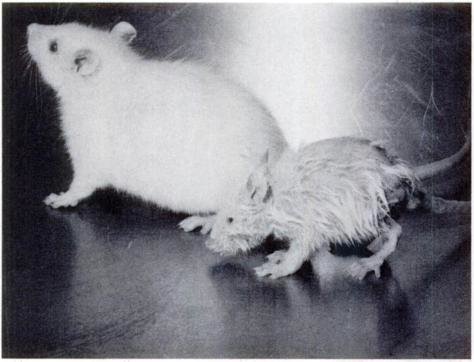
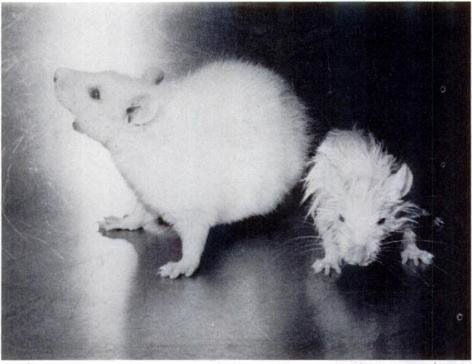
    The pups from the mothers fed Egg Beaters averaged 31.6 gm, and those fed whole egg averaged 66.5 gm in weight at 3 weeks of age as compared to 70 gm for pups from those fed laboratory chow. Both the mothers and pups fed Egg Beaters developed diarrhea within one week; those fed whole egg did not develop diarrhea. The pups fed the two egg mixtures were weaned at 5 weeks of age. All of those fed Egg Beaters died within three to four weeks after weaning. The general appearance of the rats fed Egg Beaters indicated a gross deficiency in one or more nutritional factors as compared to those fed whole egg ( Fig. 1) . As the animals had a tendency to become coated with the Egg Beaters, the animals were washed gently with a mild detergent solution and dried with paper towels. The washing removed some of the hair as well as the Egg Beaters ( Fig. 2).

    EggBeatersRat   EggBeatersRat2
    Fig. 1. Weanling rats fed shell eggs (left) or egg Beaters (right).   Fig. 2. Weanling rats fed shell eggs (left) or Egg Beaters (right). ( Both animals were washed with mild detergent, rinsed and dried with paper towels before picture was taken.)

    Are there any questions? Which rat pup would you rather be?

    To be fair, the ingredients list from the Egg Beaters of 1974 looks slightly different from the ingredient list of today, though the actual full ingredients list of today’s formula is a little hard to pin down. However, the authors of the 1974 study noted:

    A comparison of the nutrients in Egg Beaters with the nutrients in “farm fresh eggs”  indicates a list of nutrients which should be able to meet the growth requirements of weanling rats.

    Judging by the pictures, Egg Beaters definitely did not meet the nutritional needs of these rats!

    Coffee Mate is another pseudo-food manufactured especially for those who have been frightened away from all things fat. This concoction tastes great – and so it should; the stuff comes in some 25 flavors including gingerbread, Parisian almond crème, peppermint mocha and of course “original.”

    So, what’s in it? Well, all the varieties are slightly different, but here is the list of ingredients provided by Nestlé for “original liquid”: water, corn syrup solids, partially hydrogenated soybean and/or cottonseed oil, and less than 2% of sodium caseinate (a milk derivative)**, dipotassium phosphate, mono- and diglycerides, sodium aluminosilicate, artificial flavor, carrageenan.

    The first two ingredients (after “water”) are corn syrup and soybean and/or cottonseed oil. Why would someone would give up a nice, healthy, nutritious spoonful of heavy whipping cream in their coffee for this sugary chemical concoction?

    OK, so maybe I’m not being entirely fair by harping on those two fake foods – after all, they are an easy target.

    What about margarine you ask? Surely margarine can’t be bad – after all, it has been a staple in many homes for decades. Well, not so fast. Let’s look at margarine a little more critically.

    In the 18th century, looking ways to feed his army on the cheap, Emperor Louis Napoleon III of France offered a prize to anyone who could make a satisfactory substitute for butter, suitable for soldiers and “the lower classes.” Of course an enterprising chemist soon obliged him, and gave the world margarine. Early margarine was probably healthier than today’s concoctions – the principal raw material in the original formulation of margarine was beef fat. Shortages of beef fat during WWII led manufacturers to begin using vegetable oils like cottonseed and soy oils.

    Let’s ignore for a moment that when we use margarine we are turning our backs on a natural, healthy food – butter – and instead are ingesting oils that were never really intended for human consumption such as soybean, canola, cottonseed, or corn oils.

    Let’s ignore that in order to make these oils into a form that is somewhat butter-like (after all, that’s the goal – to imitate natural, healthy butter) they must be manipulated through some harsh industrial processes like hydrogenation.

    Let’s ignore the fact that margarine is naturally white and that either artificial or “natural” color must be added to make it look like butter.

    Here’s an eye-opener: margarine doesn’t taste like butter. That’s no surprise when you think about it – because it’s not butter.

    Why is that a big deal? Well, it’s a big deal because if you are a manufacturer trying to market a fake butter and it doesn’t taste like butter it isn’t going to sell very well!

    So, what do you do? You make it taste like butter. How do you do that? You add a chemical called diacetyl.

    Diacetyl is the stuff they put in microwave popcorn to give it that “buttery flavor” – the stuff that causes lung problems, remember? Repeated, long-term exposure to heated diacetyl can cause bronchiolitis obliterans, a rare and serious disease of the lungs – and the only treatment for that is a lung transplant. Learn more about diacetyl here.

    But wait you say – we’re not talking about microwave popcorn, we’re talking about margarine! Stay on topic here!

    OK – here’s the problem: diacetyl has been linked to Alzheimer’s disease.

    A 2012 study found evidence that diacetyl intensifies the damage caused by an abnormal brain protein linked to Alzheimer’s disease. The study appears in the American Chemical Society’s journal Chemical Research in Toxicology.

    Now, to be honest, diacetyl is present in butter too – it is part of what makes butter taste, well, like butter. It is also found in beer, and in wine, and cultured milk products like buttermilk. It is a natural product of fermentation.

    Did I just say “natural” ? Yes – diacetyl is a naturally occurring chemical. That means when the Nutrition Facts Box says something like “natural flavoring” that diacetyl may have been added. That, however, may not be quite so “natural”!

    Diacetyl is also an industrial chemical that is used as a mosquito repellent. I’m betting that the diacetyl used industrially is not the natural product of fermentation found in beer or butter – and I’ll bet that the diacetyl poured into the mix to make margarine isn’t “natural” either.

    Personally, I’m going to stay away from anything with diacetyl added to it – and that includes anything that says “natural butter flavoring added” – and I’ll stick with the diacetyl that Mother Nature gives me naturally in my butter and beer and Chardonnay.

    Well jeepers! you say – What a sorry state of affairs! But now even things as natural as beef and chicken aren’t so pure and healthy anymore, so you are going to be safe by avoiding them. There are some great-tasting, “all natural”, vegan-friendly meat substitutes available that are just as tasty as the real thing only so much healthier!

    Well kids, I’m sorry to pop your bubble on that idea – you may eat what you choose, but you won’t find me swallowing anything with an ingredient list similar to this popular chicken meat substitute:

    textured vegetable protein (soy protein concentrate, soy protein isolate, wheat gluten, water for hydration), water, enriched wheat flour (flour, niacin, reduced iron, thiamin mononitrate, riboflavin, folic acid), bleached wheat flour, corn oil, cornstarch, contains two percent or less of wheat starch, salt, methylcellulose, modified corn starch, dextrose, autolyzed yeast extract, potassium chloride, natural and artificial flavors from non-meat sources, sugar, maltodextrin, disodium inosinate, soybean oil, hydrolyzed soy protein, onion, paprika, dried yeast, inulin from chicory root, caramel color, tapioca dextrin, xanthan gum, sodium alginate, spices, yellow corn flour, paprika extract for color, annatto extract for color, baking soda, garlic, tomato powder, celery extract, wheat fiber, lactic acid, safflower oil, barley extract, citric acid, niacinamide, egg whites, nonfat dry milk, succinic acid, disodium guanylate, iron (ferrous sulfate), thiamin mononitrate (vitamin b1), pyridoxine hydrochloride (vitamin b6), riboflavin (vitamin b2), vitamin b12.

    Is it just me, or does that ingredient list typify everything unhealthy that could possibly be found in a fake food? Yes there are a few healthy ingredients in there – but why must we have chemists artificially providing them to us in an expensive industrially created “food substitute” when Mother Nature has been giving us her healthy and natural creations so safely and economically for so long?

    I’ll continue to enjoy real eggs, real cream, real butter, real lard, real meat, real cheese to go along with my real life.

    And oddly enough, perhaps because I avoid carbohydrates as much as possible, my cholesterol levels are just fine, thank you so much for asking!

  • The "Swiss Army Knife" Of Supplements

    By Nurse Mark


    Wouldn’t it be great if there were one supplement that could serve a variety of health-improving functions?

    What about a supplement that could:

    • lower and stabilize LDL (bad) cholesterol
    • help in weight loss
    • lower and stabilize high blood sugar
    • reverse metabolic syndrome and diabetes
    • reduce inflammation
    • exert powerful broad-spectrum antimicrobial and antifungal effects
    • have antiarrhythmic effects on the heart
    • be useful in treating congestive heart failure
    • treat fatty liver disease
    • treat a wide variety of cancers
    • treat polycystic ovary syndrome (PCOS)
    • protect the kidneys of diabetics
    • helps prevent formation of cataracts in diabetics
    • help to protect the brain during and after a stroke
    • even mimic the beneficial effects of exercise in the body

    What one substance could do all these things?

    Berberine!

    Long overshadowed by other, more commercially popular herbs Berberine has become the subject of a number of recent research studies that are proving it to be one of the more versatile and popular natural supplements.

    What is berberine?

    Berberine is an alkaloid that is found in such plants as Oregon grape, barberry, tree turmeric, goldenseal, Phellodendron amurense, Chinese goldthread, prickly poppy, Californian poppy and others. Berberine is usually found in the roots, rhizomes, stems, and bark of these plants.

    Why the sudden interest in Berberine?

    Dr. Myatt and some other naturopathic practitioners have successfully used this herb in their practices for a long time – perhaps Big Pharma is just now taking notice and wondering if they can muscle in with a synthetic version but needs to fund the research that will justify their efforts.

    Let’s look at the details of Berberine’s “magic” and the research that is being done:

    Berberine and cholesterol:

    Big Pharma, smarting from the failures of it’s dangerous statin drugs, is suddenly very interested in Berberine and is investigating it as if it is a drug to be patented and marketed. Here is just one of a number of studies:

    This study was published in Phytomedicine in July of 2012 and is titled “Lipid-lowering effect of berberine in human subjects and rats.”

    Our previous studies demonstrated that berberine, an alkaloid originally isolated from traditional Chinese herbs, prevented fat accumulation in vitro and in vivo. […] But more interestingly, the treatment …500 mg berberine orally three times a day for twelve weeks… significantly reduced blood lipid levels (23% decrease of triglyceride and 12.2% decrease of cholesterol levels) in human subjects. […] Tests of hematological, cardiovascular, liver, and kidney function following berberine treatment showed no detrimental side effects to this natural compound. Collectively, this study demonstrates that berberine is a potent lipid-lowering compound with a moderate weight loss effect, and may have a possible potential role in osteoporosis treatment/prevention. (1)

    Weight Loss and berberine:

    It is worth noting that the study quoted above also showed that berberine exhibited “a moderate weight loss effect” – something else that Big Pharma would like to be able to put into a pill! (A pill that doesn’t cause heart attacks or diarrhea, that it…)

    Berberine and Blood sugar and Diabetes:

    Given the health disasters encountered with recent diabetes drug offerings, it is no surprise that Big Pharma would love to figure out how to synthesize something with berberine’s safety and effectiveness. Here is one study (slightly edited for clarity)

    “Efficacy of berberine in patients with type 2 diabetes mellitus” was published in Metabolism in May of 2008:

    Berberine has been shown to regulate glucose and lipid metabolism in vitro and in vivo. This pilot study was to determine the efficacy and safety of berberine in the treatment of type 2 diabetes mellitus patients.

    In study A, 36 adults with newly diagnosed type 2 diabetes mellitus were randomly assigned to treatment with berberine or metformin (0.5 g 3 times a day) in a 3-month trial. The hypoglycemic effect of berberine was similar to that of metformin.

    Significant decreases in hemoglobin A1c (from 9.5%+/-0.5% to 7.5%+/-0.4%, P<.01), fasting blood glucose (from 10.6 to 6.9), postprandial blood glucose (from 19.8 to 11.1), and plasma triglycerides (from 1.13 to 0.89) were observed in the berberine group.

    In study B, 48 adults with poorly controlled type 2 diabetes mellitus were treated supplemented with berberine in a 3-month trial.

    Berberine acted by lowering fasting blood glucose and postprandial blood glucose from 1 week to the end of the trial. Hemoglobin A1c decreased from 8.1 to 7.3. Fasting plasma insulin and homeostasis model assessment of insulin resistance index were reduced by 28.1% and 44.7%, respectively. Total cholesterol and low-density lipoprotein cholesterol were decreased significantly as well. Functional liver or kidney damages were not observed for all patients.

    In conclusion, this pilot study indicates that berberine is a potent oral hypoglycemic agent with beneficial effects on lipid metabolism.

    In summary, that berberine is a potent oral hypoglycemic agent with modest effect on lipid metabolism. It is safe and the cost of treatment by berberine is very low. It may serve as a new drug candidate in the treatment of type 2 diabetes.(2)

    Berberine and Metabolic Syndrome:

    Wouldn’t Big Pharma just love to come up with a drug that could stave off the damaging effects of this latest health epidemic! It seems however that Mother Nature has beaten them to it…

    A study titled “Berberine reduces insulin resistance through protein kinase C-dependent up-regulation of insulin receptor expression” published in Metabolism. 2009 Jan states:

    Natural product berberine (BBR) has been reported to have hypoglycemic and insulin-sensitizing activities; however, its mechanism remains unclear. This study was designed to investigate the molecular mechanism of BBR against insulin resistance. […] Our results suggest that BBR is a unique natural medicine against insulin resistance in type 2 diabetes mellitus and metabolic syndrome.(3)

    Berberine to reduce inflammation?

    “The anti-inflammatory potential of berberine in vitro and in vivo.” was published in The Cancer Letter in 2004 and states in part:

    Berberine, an isoquinoline alkaloid, has a wide range of pharmacological effects, including anti-inflammation […] (4)

    And Berberine as a broad-spectrum antimicrobial? The drug companies wish they could offer something as safe and effective as this supplement…

    A paper titled “Effect of berberine on Staphylococcus epidermidis biofilm formation” published in 2009 in the International Journal of Antimicrobial Agents says:

    berberine at a concentration of 15-30mug/mL was shown to inhibit bacterial metabolism. Data from this study also indicated that modest concentrations of berberine (30-45mug/mL) were sufficient to exhibit an antibacterial effect and to inhibit biofilm formation significantly (5)

    So, it’s effective against bacteria… but how about viruses? It turns out that maybe Big Pharma is barking up the wrong tree with their “flu vaccines”…

    An article titled “Inhibition of H1N1 influenza A virus growth and induction of inflammatory mediators by the isoquinoline alkaloid berberine and extracts of goldenseal (Hydrastis canadensis)” [Note: goldenseal (Hydrastis canadensis) is another name for berberine] published in International Immunopharmacology, November 2011 states:

    We found strong effectiveness at high concentrations, although upon dilution extracts were somewhat less effective than purified berberine. Taken together, our results suggest that berberine may indeed be useful for the treatment of infections with influenza A. (6)

    What about the cardiovascular actions of berberine? Well, here is a paper that is oddly enough titled “Cardiovascular actions of berberine” that was published in the fall 2001 issue of Cardiovascular Drug Review that says, in part:

    The cardiovascular effects of berberine suggest its possible clinical usefulness in the treatment of arrhythmias and/or heart failure. (7)

    Can berberine really treat fatty liver disease? The Chinese are very interested, and published the following article in 2011: “Research on therapeutic effect and hemorrheology change of berberine in new diagnosed patients with type 2 diabetes combining nonalcoholic fatty liver disease” in which the authors conclude:

    Berberine can obviously improve the conditions of new diagnostic T2DM [type II diabetes] patients with non alcoholic liver lesions, effectively reduce hemorrheology indicators, and has good application prospect. (8)

    Am I going to make claims that berberine can treat a wide variety of cancers? No, I’ll let the researchers do that…

    The article “The natural alkaloid berberine targets multiple pathways to induce cell death in cultured human colon cancer cells” in the European Journal of Pharmacology, August 2012 says:

    The results of the current study demonstrated that berberine has the ability to cause cell cycle arrest, induce apoptosis and inhibit inflammation in colon cancer cells. The magnitude of the effects observed suggests that berberine may be worth considering for further studies of its potential applications for improving health, either as a preventative or a potential treatment. (9)

    The journal Toxicology and Applied Pharmacology in July 2006  published an article titled “Inhibitory effect of berberine on the invasion of human lung cancer cells via decreased productions of urokinase-plasminogen activator and matrix metalloproteinase-2” that reported:

    These findings suggest that berberine possesses an anti-metastatic effect in non-small lung cancer cell and may, therefore, be helpful in clinical treatment. (10)

    “Berberine-induced growth inhibition of epithelial ovarian carcinoma cell lines” was the article in Journal of Obstetrical and Gynaecology Res. in March of 2012 that said:

    Berberine treatment can inhibit proliferation through a cell cycle arrest in OVCAR-3 and SKOV-3 cells. Thus, berberine may be a novel anticancer drug for the treatment of ovarian cancer. (11)

    And another: “Berberine suppresses the TPA-induced MMP-1 and MMP-9 expressions through the inhibition of PKC-α in breast cancer cells” was published in the Journal of Surgical Res. July 2012 edition and states:

    The TPA-induced PKC-α phosphorylation is suppressed and then the MMP-1 and MMP-9 expressions are also inhibited by berberine. Therefore, we suggest that berberine may be used as a candidate drug for the inhibition of metastasis of human breast cancer. (12)

    Sounds like there is some good evidence of anti-cancer effects in those studies…

    Polycystic Ovary Syndrome (PCOS) responds well to berberine too – as is shown in this January 2012 article in the European Journal of Endocrinology titled “A clinical study on the short-term effect of berberine in comparison to metformin on the metabolic characteristics of women with polycystic ovary syndrome”

    Berberine (BBR) is an isoquinoline derivative alkaloid extracted from Chinese medicinal herbs that has been used as an insulin sensitizer. BBR may have a potential therapeutic value for PCOS. The aim of this study was to evaluate the effects of BBR in comparison to metformin (MET) on the metabolic features of women with PCOS. […] Intake of BBR improved some of the metabolic and hormonal derangements in a group of treated Chinese women with PCOS. Main effects could be related to the changes in body composition in obesity and dyslipidemia. (13)

    Can berberine really protect the kidneys of diabetics from diabetes-induced damage? An awful lot of lab rats seem to think so – there are a number of studies that have been done that show a powerful protective, even healing effect on the kidneys of lab rats that have been damaged by diabetes. One such study was published in the June 2012 issue of Phytomedicine titled “Ameliorative effect of berberine on renal damage in rats with diabetes induced by high-fat diet and streptozotocin” and says:

    The results revealed that berberine significantly decreased fasting blood glucose, insulin levels, total cholesterol, triglyceride levels, urinary protein excretion, serum creatinine (Scr) and blood urea nitrogen (BUN) in diabetic rats. The histological examinations revealed amelioration of diabetes-induced glomerular pathological changes following treatment with berberine. In addition, the protein expressions of nephrin and podocin were significantly increased. It seems likely that in rats berberine exerts an ameliorative effect on renal damage in diabetes induced by high-fat diet and streptozotocin. The possible mechanisms for the renoprotective effects of berberine may be related to inhibition of glycosylation and improvement of antioxidation that in turn upregulate the expressions of renal nephrin and podocin. (14)

    Berberine really protects against the brain damage of a stroke? These researchers think so, and they presented their findings in the December 2008 issue of the Neuroscience Letter in the article titled: “Neuroprotective effects of berberine on stroke models in vitro and in vivo”:

    We found that berberine improved neurological outcome and reduced ischemia/reperfusion (I/R)-induced cerebral infarction 48h after MCAO. The protective effect of berberine was confirmed in in vitro study. Berberine protected PC12 cells against oxygen-glucose deprivation (OGD)-induced injury. The results showed that berberine inhibited reactive oxygen species (ROS) generation, and subsequent release of pro-apoptotic factor cytochrome c and apoptosis-inducing factors (AIFs) evoked by OGD. Findings of this study suggest that berberine protects against ischemic brain injury by decreasing the intracellular ROS level and subsequently inhibiting mitochondrial apoptotic pathway. (15)

    There is evidence that berberine can help to prevent the formation of cataracts in diabetics. A 2002 report in the Journal of Agriculture and Food Chemistry revealed that berberine is an aldose reductase inhibitor.

    …berberines and palmatines may be useful as lead compounds and new agents for aldose reductase inhibition. (16)

    Aldose reductase plays a role in diabetic cataract formation, and inhibition helps prevent cataract formation.

    Inhibition of aldose reductase could significantly prevent progression of existing cataracts. (17)

    And finally, surely nothing but grunting, sweating exercise can produce the beneficial effects of exercise in the body, right? Well, that may not be entirely true – it looks like berberine might just be able to have some of those same beneficial effects. In a December 2012 article titled “Clinical Applications for Berberine” Dr. Jacon Schor states:

    Berberine activates AMPK in a manner similar to how exercise stimulates increased strength and weight loss. Thus, any condition that would be favorably impacted by a patient losing weight and/or exercising more may be impacted favorably by oral berberine supplementation. It makes sense to consider using berberine in patients with insulin resistance, pre-diabetes, diabetes, metabolic syndrome, hypertension, heart disease, dyslipidemia, cancer, depression, and other neuropsychiatric diseases. (18)

    So, is berberine “the defining miracle of the 21st century”? Maybe not. But is sure is looking like an effective and safe “Swiss Army Knife” for treating a wide variety of medical conditions. What has been presented here is only a tiny sampling of the research available on this amazing substance!

    Dr. Myatt recognized the value of berberine a very long time ago, and she makes a high potency, pharmaceutical grade berberine available to her patients – and to you. Find Berberine + Ultra here.


    References

    1) Hu Y, Ehli EA, Kittelsrud J, Ronan PJ, Munger K, Downey T, Bohlen K, Callahan L, Munson V, Jahnke M, Marshall LL, Nelson K, Huizenga P, Hansen R, Soundy TJ, Davies GE. Lipid-lowering effect of berberine in human subjects and rats. Phytomedicine. 2012 Jul 15;19(10):861-7. doi: 10.1016/j.phymed.2012.05.009. Epub 2012 Jun 26. http://www.ncbi.nlm.nih.gov/pubmed/22739410

    2) Jun Yin, Huili Xing, and Jianping Yeb. Efficacy of Berberine in Patients with Type 2 Diabetes. Metabolism. 2008 May; 57(5): 712–717. http://www.ncbi.nlm.nih.gov/pmc/articles/PMC2410097/

    3) Kong WJ, Zhang H, Song DQ, Xue R, Zhao W, Wei J, Wang YM, Shan N, Zhou ZX, Yang P, You XF, Li ZR, Si SY, Zhao LX, Pan HN, Jiang JD. Berberine reduces insulin resistance through protein kinase C-dependent up-regulation of insulin receptor expression. Metabolism. 2009 Jan;58(1):109-19. http://www.ncbi.nlm.nih.gov/pubmed/19059538

    4) Kuo CL, Chi CW, Liu TY. The anti-inflammatory potential of berberine in vitro and in vivo. Cancer Lett. 2004 Jan 20;203(2):127-37. http://www.ncbi.nlm.nih.gov/pubmed/14732220

    5) Wang X, Yao X, Zhu Z, Tang T, Dai K, Sadovskaya I, Flahaut S, Jabbouri S. Effect of berberine on Staphylococcus epidermidis biofilm formation. Int J Antimicrob Agents. 2009 Jul;34(1):60-6. http://www.ncbi.nlm.nih.gov/pubmed/19157797

    6) Cecil CE, Davis JM, Cech NB, Laster SM. Inhibition of H1N1 influenza A virus growth and induction of inflammatory mediators by the isoquinoline alkaloid berberine and extracts of goldenseal (Hydrastis canadensis). Int Immunopharmacol. 2011 Nov;11(11):1706-14. http://www.ncbi.nlm.nih.gov/pubmed/21683808

    7) Lau CW, Yao XQ, Chen ZY, Ko WH, Huang Y. Cardiovascular actions of berberine. Cardiovasc Drug Rev. 2001 Fall;19(3):234-44. http://www.ncbi.nlm.nih.gov/pubmed/11607041

    8.) Xie X, Meng X, Zhou X, Shu X, Kong H. [Research on therapeutic effect and hemorrheology change of berberine in new diagnosed patients with type 2 diabetes combining nonalcoholic fatty liver disease]. [Article in Chinese] Zhongguo Zhong Yao Za Zhi. 2011 Nov;36(21):3032-5. http://www.ncbi.nlm.nih.gov/pubmed/22308697

    9) Chidambara Murthy KN, Jayaprakasha GK, Patil BS. The natural alkaloid berberine targets multiple pathways to induce cell death in cultured human colon cancer cells. Eur J Pharmacol. 2012 Aug 5;688(1-3):14-21. http://www.ncbi.nlm.nih.gov/pubmed/22617025

    10) Peng PL, Hsieh YS, Wang CJ, Hsu JL, Chou FP. Inhibitory effect of berberine on the invasion of human lung cancer cells via decreased productions of urokinase-plasminogen activator and matrix metalloproteinase-2. Toxicol Appl Pharmacol. 2006 Jul 1;214(1):8-15. Epub 2006 Jan 4. http://www.ncbi.nlm.nih.gov/pubmed/16387334

    11) Park KS, Kim JB, Lee SJ, Bae J. Berberine-induced growth inhibition of epithelial ovarian carcinoma cell lines. J Obstet Gynaecol Res. 2012 Mar;38(3):535-40. http://www.ncbi.nlm.nih.gov/pubmed/22381105

    12) Kim S, Han J, Lee SK, Choi MY, Kim J, Lee J, Jung SP, Kim JS, Kim JH, Choe JH, Lee JE, Nam SJ. Berberine suppresses the TPA-induced MMP-1 and MMP-9 expressions through the inhibition of PKC-α in breast cancer cells. J Surg Res. 2012 Jul;176(1):e21-9. http://www.ncbi.nlm.nih.gov/pubmed/22381172

    13) Wei W, Zhao H, Wang A, Sui M, Liang K, Deng H, Ma Y, Zhang Y, Zhang H, Guan Y. A clinical study on the short-term effect of berberine in comparison to metformin on the metabolic characteristics of women with polycystic ovary syndrome. Eur J Endocrinol. 2012 Jan;166(1):99-105 http://www.ncbi.nlm.nih.gov/pubmed/22019891

    14) Wu D, Wen W, Qi CL, Zhao RX, Lü JH, Zhong CY, Chen YY. Ameliorative effect of berberine on renal damage in rats with diabetes induced by high-fat diet and streptozotocin. Phytomedicine. 2012 Jun 15;19(8-9):712-8. http://www.ncbi.nlm.nih.gov/pubmed/22483555

    15) Zhou XQ, Zeng XN, Kong H, Sun XL. Neuroprotective effects of berberine on stroke models in vitro and in vivo. Neurosci Lett. 2008 Dec 5;447(1):31-6. http://www.ncbi.nlm.nih.gov/pubmed/18838103

    16) Lee HS. Rat lens aldose reductase inhibitory activities of Coptis japonica root-derived isoquinoline alkaloids. J Agric Food Chem. 2002;50(24):7013-7016. http://www.ncbi.nlm.nih.gov/pubmed/12428952

    17) Kawakubo K, Mori A, Sakamoto K, Nakahara T, Ishii K. GP-1447, an inhibitor of aldose reductase, prevents the progression of diabetic cataract in rats. Biol Pharm Bull. 2012;35(6):866-872. http://www.ncbi.nlm.nih.gov/pubmed/22687477

    18) Schor Jacob, Clinical Applications for Berberine, 12/5/2012, Natural Medicine Journal (online) http://www.naturalmedicinejournal.com/article_content.asp?edition=1&section=2&article=384