Author: Wellness Club

  • Strontium: Safe Or Scary?

    Isn’t That Stuff Dangerous?


    A reader question answered by Nurse mark


    Some memories stay with us forever it seems – especially childhood memories of things that frightened us. The “radiation scares” of the 1950’s and 1960’s created just such memories when as kids we were given dire warnings and taught to “protect” ourselves from scenarios that frightened our elders far more than they should have frightened us…

    Such was the case with strontium – specifically the isotope strontium 90 which is radioactive, has a moderately long half-life, and an affinity for bone.

    This of course leads to confusion between the various forms of strontium – as is evident in the question that Kay recently sent us:

    Subject: non-radioactive vs. radioactive strontium

    Message: I recently bought a vitamin called “Bone Strength” made by a
    company called New Chapter.  One of the ingredients is “strontium from
    algae.”  Having grown up in the 50’s during the Strontium 90 scare, I
    still cannot bring myself to take these vitamins. 

    With or without the “90” the word “strontium” still sends chills down
    my bony spine!  How do I KNOW this is safe?


    Hi Kay,

    We remember the “Duck and Cover” drills too!

    Strontium 90 is indeed bad stuff, while natural strontium is quite stable and safe. Strontium 90 is a synthetic form of the element, created during various nuclear processes.

    Here is a brief summary taken from Wikipedia:

    Strontium is a chemical element with the symbol Sr and the atomic number 38. An alkaline earth metal, strontium is a soft silver-white or yellowish metallic element that is highly reactive chemically. The metal turns yellow when exposed to air. It occurs naturally in the minerals celestine and strontianite. While natural strontium is stable, the synthetic 90Sr isotope is present in radioactive fallout and has a half-life of 28.90 years. Both strontium and strontianite are named after Strontian, a village in Scotland near which the mineral was first discovered.

    We have written about the benefits of strontium in our HealthBeat Newsletter: http://healthbeatnews.com/strontium-the-missing-mineral-for-strong-bones/

    As we are not familiar with the brand of supplement that you mention we cannot comment on it’s purity, safety, or efficacy. You do not mention what other ingredients that this formula contains, but I would caution that some “bone formulas” include calcium and strontium in the same formula. While not dangerous is also not effective since the strontium and calcium compete with each other and should be taken apart for best benefit.

    The source of your supplement formula’s strontium raises some questions as well, since algae organisms tend to filter out and concentrate any number of things (including strontium) but are incapable of differentiating between the various isotopes of strontium. Since strontium 90 is an isotope of strontium found in nuclear fallout, and nuclear fallout from any number of recent incidents from Chernobyl to Fukushima may have contaminated the water that the algae is growing in, we would want some assurances from the supplement maker that the strontium in that product is a safe form of the element.

    Dr. Myatt offers a pharmaceutical grade of strontium (not a “combination formula”) which is simple strontium carbonate. You can find more information about this supplement here: http://www.drmyattswellnessclub.com/Strontium.htm

    Here is an article we wrote some time ago that discusses Dr. Myatt’s quality control standards for any product or supplement that she offers – it is well worth a read if you are concerned about the quality of the supplements that you take: http://healthbeatnews.com/a-potpourri-of-questions/

    For more information about maintaining healthy bones, please see our page on osteoporosis here: http://www.drmyattswellnessclub.com/osteoporosis.htm

    Remember that it is not just calcium or strontium that are necessary for bone health – magnesium, boron, and other minerals are vital for bone health, and you need to be sure that your digestive system is up to par to allow you to assimilate these nutrients.

    Hope this helps,

    Cheers,
    Nurse Mark

  • On The Importance Of Inter-Species Relationships

    Ha! Made you look! You just had to see what could have such a high-falutin’ title, right?


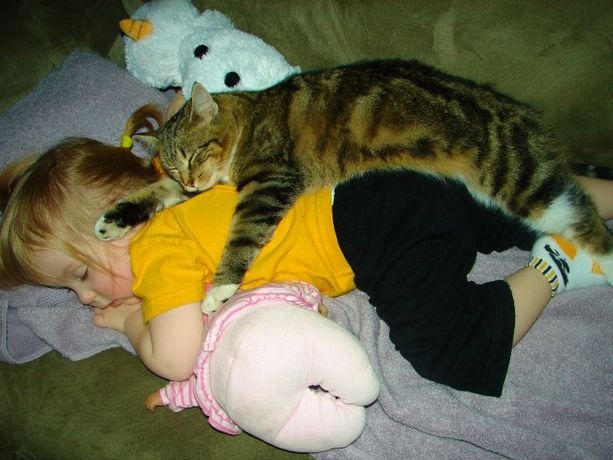
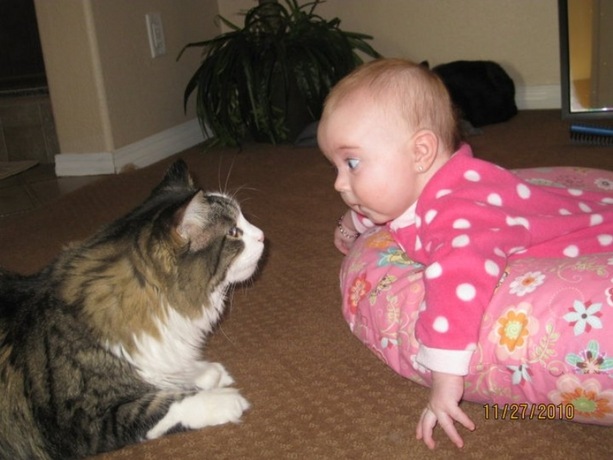
    Is there anything more cute than either kids or pets? How about kids and pets together!


    This collection was forwarded to us by a one of our readers…


    Enjoy!


    1599617

    1599637

    1599646

    1599656

    1599665

    1599675

    1599685

    1599694

    15996a4

    15996b4

    15996c3

    15996d3

    15996e2

    15996f2

    1599702

    1599711
  • The Importance Of Rhythm – Have You Got Rhythm?

    Dr. Myatt’s Advice for Healthy Circadian Rhythms


    Well, so sorry to hear that your energy isn’t up to what you think it should be. However, before we go looking for some complicated explanation, or simply chalk it up to “old age,” let’s correct one obvious and easy potential cause of this problem: Circadian Rhythm disturbance.

    Short course: get to bed by 10 p.m.! Here’s why.

    The Importance of “Early to Bed, Early to Rise”

    The 24-hour sleep/wake, light/dark cycle, also called the Circadian Rhythm Cycle, sets the pace for the entire endocrine system. This is big. HUGE, in fact.

    Humans evolved sleeping when it was dark and being active by daylight. Our circadian rhythms, including natural melatonin production, respond to this cycle.

    Melatonin, a hormone and antioxidant, is produced primarily between the hours of 10 p.m. and 2 a.m. when our eyes are closed and we are not exposed to light.

    Any time that we are awake during this critical period decreases melatonin production and serves to de-stabilize our circadian rhythms.

    Many people think that if they go to bed later and simply sleep in later in the morning, everything is fine. This belief recognizes only the total number of hours that we need to sleep but ignores the importance of sleeping (or at least having eyes closed in the dark) between the hours of 10 p.m. and 2 a.m. It’s not just the total number of hours we sleep, but the times and light/dark conditions under which we sleep, that determine the health of our 24-hour Circadian cycle.

    Importance of the Circadian Rhythm in Humans

    Hormones affected by Circadian Rhythm disturbances include cortisol, thyrotropin, prolactin, growth hormone, and melatonin.

    Disruption of the human “Circadian Clock” is associated with fatigue, disorientation, insomnia, impaired detoxification and liver function, blood pressure dysregulation, altered heart rate, cardiovascular disease, mood disorders (depression, anger, inattention, irritability), bipolar and unipolar disorder, seasonal affective disorder and neurological diseases including dementia, Alzheimer’s disease, Parkinson’s disease, multiple sclerosis, and stroke.

    Given the far-reaching importance of a normal circadian rhythm to overall health, I recommend that you alter your “pre-bed routine” and do whatever it takes to establish a health sleep/wake cycle.

    Here are my “get your circadian rhythms right” recommendations.

    1. Get to bed by 10 p.m. with lights out.
    2. Expose yourself to daylight (preferably sunlight) in the morning, even if this means stepping out on the porch to face East and take a few deep breaths.
    3. Low-dose melatonin (3mg) between 9 p.m. and bedtime may help sleep and boost levels of this important hormone (which declines with age).
    4. No lights in the bedroom. If you need a nightlight, keep a flashlight near the bed. Try to sleep in darkness.
    5. Daytime napping does NOT interfere with Circadian rhythms as long as bedtimes are held constant.


    References

    Dallaspezia S, Benedetti F. Chronobiological therapy for mood disorders. Expert Rev Neurother. 2011 Jul;11(7):961-70.

    Esposito E, Cuzzocrea S. Antiinflammatory activity of melatonin in central nervous system. Curr Neuropharmacol. 2010 Sep;8(3):228-42.

    Heiler S, Legenbauer T, Bogen T, Jensch T, Holtmann M. Severe mood dysregulation: In the “light” of circadian functioning. Med Hypotheses. 2011 Aug 9. [Epub ahead of print]

    Lemmer B. Importance of circadian rhythms for regulation of the cardiovascular system–studies in animal and man. Conf Proc IEEE Eng Med Biol Soc. 2006;1:168-70.

    Lewy AJ. Circadian misalignment in mood disturbances. Curr Psychiatry Rep. 2009 Dec;11(6):459-65.

    Lewy AJ, Emens JS, Songer JB, Sims N, Laurie AL, Fiala SC, Buti AL. Winter Depression: Integrating mood, circadian rhythms, and the sleep/wake and light/dark cycles into a bio-psycho-social-environmental model. Sleep Med Clin. 2009 Jun 1;4(2):285-299.

    Portaluppi F, Tiseo R, Smolensky MH, Hermida RC, Ayala DE, Fabbian F. Circadian rhythms and cardiovascular health. Sleep Med Rev. 2011 Jun 3. [Epub ahead of print]

    Takeda N, Maemura K. Circadian clock and cardiovascular disease. J Cardiol. 2011 May;57(3):249-56. Epub 2011 Mar 26.

    Willis GL. Parkinson’s disease as a neuroendocrine disorder of circadian function: dopamine-melatonin imbalance and the visual system in the genesis and progression of the degenerative process. Rev Neurosci. 2008;19(4-5):245-316.

    Willis GL, Kelly AM, Kennedy GA. Compromised circadian function in Parkinson’s disease: enucleation augments disease severity in the unilateral model. Behav Brain Res. 2008 Nov 3;193(1):37-47. Epub 2008 Apr 26.

  • Do You Perform This Deadly Daily Ritual?

    Dangers of Daily Showers: Getting You In Hot Water


    By Dr. Dana Myatt


    What should be a relaxing, cleansing daily health ritual may actually be one of the most dangerous things you do every day. Let’s look at why your daily shower is far more dangerous than you know, and how you can reclaim your daily shower as a truly healing ritual.

    What’s in Your Water?

    Over 315 different chemicals have been identified in municipal water sources around the country. There are no federal testing guidelines for more than half of these chemicals.

    Of the remainder, as many as 49 have been found in levels above that allowed by law. This means that 53.6 million Americans are exposed to dangerously high levels of contaminants in municipal water! (1)

    Unregulated contaminants include antibiotics, statin drugs, pain medications, “head meds” like Prozac and estrogens among others.(2)

    If unintended contaminants — including drinking your neighbor’s drug-filled toilet-water — isn’t disgusting enough, remember that the deliberately added chemicals chlorine and fluoride, carry their own risks.

    Chlorine, added to kill bacteria, combines with organic matter to form chloroform, trihalomethanes (THMs) and other Disinfection By-Products (DCP’s). According to the U.S. Government, these chemicals “result in adverse effects on the central nervous system, liver, kidneys and heart” and are also potent carcinogens. (3)

    Fluoride in the form of hexafluorosilicic acid, a waste product of the fertilizer industry, vaporizes to hydrogen fluoride (HF).

    According to the U.S. Government, HF is highly corrosive to the lungs, “irritating to the skin, eyes, and mucous membranes, and inhalation may cause respiratory irritation or hemorrhage. Systemic effects can occur from all routes of exposure and may include nausea, vomiting, gastric pain, or cardiac arrhythmia. Symptoms may be delayed for several days, especially in the case of exposure to dilute solutions of hydrogen fluoride (less than 20%).” At the highest doses, HF is lethal.(4)

    Alrighty Then… Let’s Take a Shower

    Many people realize that municipal water is often contaminated, and they take steps to drink pure water, like buying bottled water or a filter for the sink. But exposure to contaminants from your shower water are up to 62% more deadly. (9) Why is that so?

    Exposure to the chemicals in your shower are more dangerous than drinking the same water because I.) your pores are open and toxins can be readily absorbed through the skin and II.) you also inhale the toxic vapors of chlorine and fluoride by-products.

    In the case of a shower, the longer you spend under that nice warm running water, the more toxins you are exposed to.(5-6). The greatest observed increases in trihalomethane concentrations in blood and breath were seen from hot water use, specifically showering and hand-washing.(7)

    Studies have shown that the amount of these volatile organic chemicals (VOC’s) from the shower and other indoor hot-water uses (such as the vapors exhausting from your dishwasher) are “significant.” When THM’s are measured in the blood, showering contributed to a 64% increase compared to swimming in pools at 23%, bathing 12%, and drinking water 1%. The total THM uptake is much higher from showering than any other use of treated water.(9)

    Reclaim Your Shower as a Healing Ritual

    Part of reclaiming your daily shower as a true healing ritual includes making sure that your shower water is pure. This may be even more important than ensuring pure drinking water.

    Shower-head filters are inexpensive and reliable. I recommend a shower water filter for anyone using municipal water.

    Aquasana Water Purifiers makes some of the highest-rated filters at the best prices.

    Save 20% off Shower Filtration Systems and receive free S&H with this Aquasana coupon!


    References

    1.) Environmental Working Group National Drinking Water Data Base. http://www.ewg.org/tap-water/home . Accessed 07/28/10.

    2.) Associated Press Investigation: Pharmaceuticals Found in Drinking Water.
    http://hosted.ap.org/specials/interactives/pharmawater_site/day1_05.html . Accessed 07/28/10.

    3.) Trihalomethanes: Health Information Summary.
    http://des.nh.gov/organization/commissioner/pip/factsheets/ard/documents/ard-ehp-13.pdf

    4.) Medical Management Guidelines for Hydrogen Fluoride (HF). Dept. of Health and Human Services Agency for Toxic Substances and Disease Registry. http://www.atsdr.cdc.gov/mhmi/mmg11.html#bookmark02

    5.) Wilkes CR, Small MJ, Davidson CI, Andelman JB. Modeling the effects of water usage and co-behavior on inhalation exposures to contaminants volatilized from household water. J Expo Anal Environ Epidemiol. 1996 Oct-Dec;6(4):393-412. http://www.ncbi.nlm.nih.gov/pubmed/9087861

    6.) Haddad S, Tardif GC, Tardif R. Development of physiologically based toxicokinetic models for improving the human indoor exposure assessment to water contaminants: trichloroethylene and trihalomethanes. J Toxicol Environ Health A. 2006 Dec;69(23):2095-136.

    7.) Nuckols JR, Ashley DL, Lyu C, Gordon SM, Hinckley AF, Singer P.Influence of tap water quality and household water use activities on indoor air and internal dose levels of trihalomethanes.Environ Health Perspect. 2005 Jul;113(7):863-70.

    8.) Lourencetti C, Ballester C, Fernández P, Marco E, Prado C, Periago JF, Grimalt JO. New method for determination of trihalomethanes in exhaled breath: applications to swimming pool and bath environments.Anal Chim Acta. 2010 Mar 3;662(1):23-30. Epub 2010 Jan 11.

    9.) Villanueva CM, Gagniere B, Monfort C, Nieuwenhuijsen MJ, Cordier S. Sources of variability in levels and exposure to trihalomethanes. Environ Res. 2007 Feb;103(2):211-20. Epub 2006 Dec 26.

  • Is Following A Healthy Diet Really A Good Thing?

    There are sometimes “healthy” things that people do in the hopes of “living longer” that actually may just make it seem longer –  and this little story illustrates that quite nicely.


    Heaven Can’t Wait

    An 85-year-old couple, having been married almost 60 years, died in a car crash. They had been in good health the last ten years, mainly due to her interest in health food and exercise.

    When they reached the pearly gates, St. Peter took them to their mansion, which was decked out with a beautiful kitchen, master bath suite and Jacuzzi. As they “ooohed and aaahed,” the old man asked Peter how much all this was going to cost.

    “It’s free,” Peter replied, “this is Heaven.”

    Next, they went out back to see the championship golf course. They would have golfing privileges every day and each week the course changed to a new one representing the great golf courses on earth.

    The old man asked, “What are the green fees?”

    Peter’s reply, “This is heaven, you play for free.”

    Next they went to the clubhouse and saw the lavish buffet lunch with the cuisines of the world laid out.

    “How much to eat?” asked the old man.

    “Don’t you understand yet? This is heaven, it is free!” Peter replied.

    “Well, where are the low fat and low cholesterol foods?” the old man asked timidly.

    “That’s the best part…you can eat as much as you like of whatever you like and you never get fat and you  never get sick. This is Heaven.”

    The old man looked at his wife and said, “You and your bran muffins. I could have been here ten years ago!”