Category: Heart and Circulation

  • Do You Get Enough Of This Health-Improving "Non-Nutrient"?

    Fiber: Twenty-Five Surprising Benefits of  a Dietary “Non-Nutrient”


    By Dr. Myatt


    It’s not a “sexy supplement” or a “new breakthrough.” In fact, it’s not even officially classified as a nutrient. But Americans get only 10% of the amount we consumed 100 years ago, and our health may be seriously suffering as a result.

    That is this important “non nutrient” that we’re missing? Dietary fiber.

    “Fiber” refers to a number of indigestible carbohydrates found in the outer layers of plants. Humans lack enzymes to break down most types of fiber, so they pass through the digestive system relatively unchanged and do not provide nutrients or significant calories.

    In spite of this indigestibility, fiber has a surprising number of health benefits. In fact, consuming adequate daily fiber may be one of the most important health measures anyone can take.

    Twenty-Five Health Benefits of Fiber — Who Knew?

    There are numerous “sub-classes” of fiber, but the two main types are I.) soluble and II.) insoluble fiber. Both types are beneficial to health and both typically occur together in nature. They each offer independent health benefits. Here are twenty-five known health benefits that fiber provides.

    Bowel Benefits:

    1.) Relieves constipation. Insoluble fiber absorbs large amounts of water in the colon. This makes stools softer and easier to pass. Most people who increase fiber intake will notice improved bowel function in 31-39 hours.

    2.) Relieves diarrhea. It may seem paradoxical that a substance which helps constipation also helps diarrhea, but that’s just what fiber does. Insoluble fiber binds watery stool in the colon, helping turn “watery” into “formed.” Fiber is known to offer significant improvement to those with diarrhea.

    3.) Helps prevent hemorrhoids. Constipation is a leading cause of hemorrhoids. Because fiber-rich stools are easier to pass, less straining is necessary. Diets high in fiber have been shown to prevent and relieve hemorrhoids.

    4.) Reduces risk of diverticular disease. In cultures that consume high-fiber diets, diverticular disease is relatively unknown. That’s because high fiber intake “exercises” the colon, prevents excess bowel gas and absorbs toxins, all of which lead to the “bowel herniation” disease known as diverticulitis. Increased fiber intake is currently recommended in Western medicine as primary prevention for the disease.

    5.) Helps Irritable bowel syndrome (IBS). IBS is characterized by constipation, diarrhea, or alternating constipation/diarrhea. Regardless of type, increased fiber intake has been shown to improve IBS symptoms.

    6.) Improves bowel flora. “Flora” refers to the “good bugs” (healthy bacteria) that colonize the large intestine (colon). Antibiotics, drugs, food allergies, high sugar diets and junk food alter this “bowel garden” in favor of the “bad bugs.” Certain types of fiber are rich in substances the “feed” bowel flora and help keep the balance of good bacteria in the colon at a normal level.

    7.) Helps prevent colon cancer. Although research has been controversial, observational studies in the 1970s showed that African natives consuming high-fiber diets had a much lower incidence of colorectal carcinoma. Since the “risk” of increased fiber consumption is so small, the “US Pharmacist,” states…

    “…with no clearly negative data about fiber, it makes sense to increase fiber intake just in case the positive studies did reveal an actual link. The patient will also experience the ancillary benefits of fiber consumption, such as reduction in cholesterol (with psyllium), prevention of constipation, and reducing risk of hemorrhoids.”

    8.) Appendicitis: studies show a correlation between the development of appendicitis and low fiber intake. A diet high in fiber may help prevent appendicitis.

    Whew… that’s just the bowel benefits! Fiber also helps prevent heart disease in multiple ways.

    9.) Lowers Total cholesterol. According to the FDA, soluble fiber meets the standard for reduction of risk from coronary heart disease. Psyllium husk is also able to reduce the risk of coronary heart disease as it contains a soluble fiber similar to beta-glucan.

    10.) Lowers triglycerides. Higher dietary fiber is associated with lower triglyceride levels.

    11.) Raises HDL. Fiber may even raise HDL — the “good cholesterol” — levels.

    12.) Lowers LDL Cholesterol. In addition to total cholesterol, increased fiber lowers LDL — the “bad cholesterol” — levels.

    13.) Aids Weight loss. Fiber helps prevent weight gain and assists weight loss several ways. The “bulking action” of fiber leads to an earlier feeling of satiety, meaning that one feels satisfied with less high-calorie food when the meal contains a lot of fiber. Fiber helps bind and absorb dietary fat, making it less available for assimilation. This means that some fat may be “lost” through the digestive tract when the meal is high in insoluble fiber.

    14.) Lowers Overall risk of Coronary Artery Disease. Perhaps because of a combination of the above-listed lipid-normalizing factors, some studies have shown an overall protective effect of higher fiber intake against coronary heart disease.

    Fiber also benefits blood sugar levels and diabetes…

    15.) Helps Type I Diabetes. Eaten with meals, high-fiber supplements like guar gum reduced the rise in blood sugar following meals in people with type 1 diabetes. In one trial, a low-glycemic-index diet containing 50 grams of daily fiber improved blood sugar control and helped prevent hypoglycemic episodes in people with type 1 diabetes taking two or more insulin injections per day.

    16.) Improves Type II Diabetes. High-fiber diets have been shown to work better in controlling diabetes than the American Diabetic Association (ADA)-recommended diet, and may control blood sugar levels as well as oral diabetic drugs.

    One study compared participants eating the the ADA diet (supplying 24 grams of daily fiber) or a high-fiber diet (containing 50 grams daily fiber) for six weeks. Those eating the high-fiber diet for six weeks had an average 10% lower glucose level than people eating the ADA diet. Insulin levels were 12% lower in the high-fiber group compared to those in the ADA diet group. The high fiber group also had decreased  glycosylated hemoglobin levels, a measure of long-term blood glucose regulation.

    High-fiber supplements such as psyllium, guar gum and pectin have shown improved glucose tolerance.

    More systemic benefits of fiber:

    17.) Gallstone prevention. Rapid digestion of carbohydrates leads to fast release of glucose (sugar) into the bloodstream. In response, the body releases large amounts of insulin. High insulin levels contribute to gallstone formation. Because dietary fiber slows the release of carbohydrates (and corresponding insulin), fiber helps prevent gallstone formation.

    18.) Kidney stone prevention. Low intakes of dietary fiber have been found to correlate with increased kidney stone formation, and higher intakes of fiber appear to be protective against stone formation.

    19.) Varicose veins. “Straining at stool” caused by fiber-deficiency constipation, has been found in some studies to cause varicose veins. Populations with lower fiber intakes have higher rates of varicosities.

    Fiber may even be important in prevention of certain types of cancer…

    20.) Colon Cancer Prevention. Diets higher in fiber have been shown in some studies to reduce the risk of colon cancer.

    21.) Breast cancer prevention. Higher fiber diets are associated with lower breast cancer risk. Some studies have shown up to a 50% decreased risk with higher fiber intakes. After diagnosis, a high fiber diet may decrease the risk of  breast cancer reoccurrence.

    22.) Pancreatic cancer prevention. High fiber diets are associated with lower risk of pancreatic cancer.

    23.) Endometrial cancer prevention. Higher fiber has been shown in some studies to protect against endometrial cancer.

    24.) Prostate cancer prevention. Diets higher in fiber may be associated with lower risk of prostate cancer. After diagnosis, a high fiber diet may decrease the risk of  prostate cancer reoccurrence.

    25.) Cancer prevention in general. Some studies have found that high fiber diets help prevent cancer in general, regardless of type.

    Recommendations vs. Reality

    The average daily American fiber intake is estimated at 14 to 15 g, significantly less than the American Dietetic Association recommendation of 20 to 35 g for adults, 25 g daily for girls ages 9 through 18 years and 31 to 38 g for boys ages 9 through 18. The American Heart Association recommends 25 to 30 g daily.

    Based on dietary intakes of long-lived populations (who typically consume 40-60 grams or more of fiber per day), many holistic physicians recommend aiming for a minimum of 30 grams of daily fiber.

    In my clinical experience, I find that most people over-estimate their fiber intake because they are unaware of the fiber content of many of the foods they eat (see http://www.drmyattswellnessclub.com/rate_your_plate.htm).

    Since fiber has proven itself to be such an important “non nutrient” for good health, increased dietary consumption and/or supplementation can be considered a wise choice for optimal health and disease prevention.


    Dr. Myatt has formulated an excellent fiber supplement – check out EZ Fiber!

    A fully referenced version of this article can be found here

  • Compliments And Questions

    Questions And Compliments

    By Nurse Mark


    We get plenty of questions, and sometimes compliments. We especially like to receive the compliments…

    Heather writes:

    I just finished reading your book “Physician’s Diary”. I thought it was fantastic. I have come to the conclusion that people get better despite Modern Medicine. I want to find alternatives to the present medications that I am taking. I have PTSD (Police Officer) and am currently coming off Effexor. I plan on using St Johns Wort. Can you tell me what dose would typically be acceptable? Also I have high BP. Is there some alternative to using ACE Inhibitors? Thanks for all the wonderful work you are doing!
    Cheers,
    Heather

    Heather, I’m glad you found Dr. Myatt’s book A Physician’s Diary helpful as so many others have.

    With regard to PTSD, Effexor, and alternatives such as St. John’s wort I hope you will read my recent reply to Kimberly on the subject of neurotransmitters. Much of the advice to her will be useful for you as well.

    For your high blood pressure, please see our webpage with information and recommendations for Hypertension. There you’ll find information to get you started, and if those self-help measures don’t do the trick for you as well as you would like you’ll want to consider a consultation with Dr. Myatt. Hypertension is easily controlled without drugs in most cases which is a great thing since all the current drugs prescribed for hypertension come with unpleasant side effects.

    Some great information about cardiovascular health can be found in a previous HealthBeat News article called ‘Want To Do Something About Your Heart Health?’ – it is well worth a read.

    Thanks for your kind words Heather, and we thank you for your service to us as a police officer – a dangerous and often thankless job if there ever was one!

  • The Dangers Of Statins – The 3rd In A 3-Part Series

    HealthBeat News is pleased to bring you Part 3 of this special report on statin drugs and cholesterol that comes to us by special arrangement and kind permission of the authors, Sally Fallon and Mary Enig, PhD.


    In Part 1 we looked at the “problem” of hypercholesterolemia (high cholesterol), how statins work, and just what cholesterol is and why our bodies need this controversial substance. In this part, Part 2 we looked at the statin drugs and learned of some of their many side-effects. In this final installment, Part 3, we will review a large number of scholarly studies on cholesterol and statins that the drug companies would rather you don’t know about as they plainly demonstrate the dangers of these drugs and of our wrong-headed obsession with reducing cholesterol levels to un-natural and un-healthy levels.


    Finally, at the end of this part of the 3-part series, we’ll introduce you to the authors and their achievements.


    You, our HealthBeat News readers, have received all three parts of this series before anyone else. We will now post it along with the full list of references on our Wellness Club website – but HealthBeat News subscribers have had access to this important and informative article first!


    Dangers of Statin Drugs: What You Haven’t Been Told About Popular Cholesterol-Lowering Medicines

    By Sally Fallon and Mary G. Enig, PhD

    Part 3 in a 3-Part series.


    Any Benefits?

    Most doctors are convinced–and seek to convince their patients–that the benefits of statin drugs far outweigh the side effects. They can cite a number of studies in which statin use has lowered the number of coronary deaths compared to controls. But as Dr. Ravnskov has pointed out in his book The Cholesterol Myths,31 the results of the major studies up to the year 2000–the 4S, WOSCOPS, CARE, AFCAPS and LIPID studies–generally showed only small differences and these differences were often statistically insignificant and independent of the amount of cholesterol lowering achieved. In two studies, EXCEL, and FACAPT/TexCAPS, more deaths occurred in the treatment group compared to controls. Dr. Ravnskov’s 1992 meta-analysis of 26 controlled cholesterol-lowering trials found an equal number of cardiovascular deaths in the treatment and control groups and a greater number of total deaths in the treatment groups.32 An analysis of all the big controlled trials reported before 2000 found that long-term use of statins for primary prevention of heart disase produced a 1 percent greater risk of death over 10 years compared to a placebo.33

    Recently published studies do not provide any more justification for the current campaign to put as many people as possible on statin drugs.

    A Better Way

    If statins work, they do so by reducing inflammation, not because they lower cholesterol. Statins block the production of mevalonate leading to inhibition of platelet clumping and reduction of inflammation in the artery walls. However, simple changes in the diet can achieve the same effect without also cutting off the body’s vital supply of cholesterol:

    • Avoid trans fats, known to contribute to inflammation
    • Avoid refined sugars, especially fructose, known to stimulate clumping of the blood platelets
    • Take cod liver oil, an excellent dietary source of anti-inflammatory vitamin A, vitamin D and EPA
    • Eat plenty of saturated fats, which encourage the production of anti-inflammatory prostaglandins
    • Take evening primrose, borage or black currant oil, sources of GLA which the body uses to make anti-inflammatory prostaglandins
    • Eat foods high in copper, especially liver; copper deficiency is associatied with clot formation and inflammation in the arteries
    • Eat coconut oil and coconut products; coconut oil protects against bacteria and viruses that can lead to inflammation in the artery wall
    • Avoid reduced-fat milks and powdered milk products (such as powdered whey); they contain oxidized cholesterol, shown to cause irritation of the artery wall

    Honolulu Heart Program (2001)

    This report, part of an ongoing study, looked at cholesterol lowering in the elderly. Researchers compared changes in cholesterol concentrations over 20 years with all-cause mortality.34 To quote: “Our data accords with previous findings of increased mortality in elderly people with low serum cholesterol, and show that long-term persistence of low cholesterol concentration actually increases risk of death. Thus, the earlier that patients start to have lower cholesterol concentrations, the greater the risk of death. . . The most striking findings were related to changes in cholesterol between examination three (1971-74) and examination four (1991-93). There are few studies that have cholesterol concentrations from the same patients at both middle age and old age. Although our results lend support to previous findings that low serum cholesterol imparts a poor outlook when compared with higher concentrations of cholesterol in elderly people, our data also suggest that those individuals with a low serum cholesterol maintained over a 20-year period will have the worst outlook for all-cause mortality [emphasis ours].”

    MIRACL (2001)

    The MIRACL study looked at the effects of a high dose of Lipitor on 3086 patients in the hospital after angina or nonfatal MI and followed them for 16 weeks.35 According to the abstract: “For patients with acute coronary syndrome, lipid-lowering therapy with atorvastatin, 80 mg/day, reduced recurrent ischemic events in the first 16 weeks, mostly recurrent symptomatic ischemia requiring rehospitalization.” What the abstract did not mention was that there was no change in death rate compared to controls and no significant change in re-infarction rate or need for resuscitation from cardiac arrest. The only change was a significant drop in chest pain requiring rehospitalization.

    ALLHAT (2002)

    ALLHAT (Antihypertensive and Lipid-Lowering Treatment to Prevent Heart Attack Trial), the largest North American cholesterol-lowering trial ever and the largest trial in the world using Lipitor, showed mortality of the treatment group and controls after 3 or 6 years was identical.36 Researchers used data from more than 10,000 participants and followed them over a period of four years, comparing the use of a statin drug to “usual care,” namely maintaining proper body weight, no smoking, regular exercise, etc., in treating subjects with moderately high levels of LDL cholesterol. Of the 5170 subjects in the group that received statin drugs, 28 percent lowered their LDL cholesterol significantly. And of the 5185 usual-care subjects, about 11 percent had a similar drop in LDL. But both groups showed the same rates of death, heart attack and heart disease.

    Heart Protection Study (2002)

    Carried out at Oxford University,37 this study received widespread press coverage; researchers claimed “massive benefits” from cholesterol-lowering,38 leading one commentator to predict that statin drugs were “the new aspirin.”39 But as Dr. Ravnskov points out,40 the benefits were far from massive. Those who took simvastatin had an 87.1 percent survival rate after five years compared to an 85.4 percent survival rate for the controls and these results were independent of the amount of cholesterol lowering. The authors of the Heart Protection Study never published cumulative mortality data, even though they received many requests to do so and even though they received funding and carried out a study to look at cumulative data. According to the authors, providing year-by-year mortality data would be an “inappropriate” way of publishing their study results.41

    PROSPER (2002)

    PROSPER (Prospective Study of Pravastatin in the Elderly at Risk) studied the effect of pravastatin compared to placebo in two older populations of patients of which 56 percent were primary prevention cases (no past or symptomatic cardiovascular disease) and 44 percent were secondary prevention cases (past or symptomatic cardiovascular disease).42 Pravastatin did not reduce total myocardial infarction or total stroke in the primary prevention population but did so in the secondary. However, measures of overall health impact in the combined populations, total mortality and total serious adverse events were unchanged by pravastatin as compared to the placebo and those in the treatment group had increased cancer. In other words: not one life saved.

    J-LIT (2002)

    Japanese Lipid Intervention Trial was a 6-year study of 47,294 patients treated with the same dose of simvastatin.43 Patients were grouped by the amount of cholesterol lowering. Some patient had no reduction in LDL levels, some had a moderate fall in LDL and some had very large LDL reductions. The results: no correlation between the amount of LDL lowering and death rate at five years. Those with LDL cholesterol lower than 80 had a death rate of just over 3.5 at five years; those whose LDL was over 200 had a death rate of just over 3.5 at five years.

    Meta-Analysis (2003)

    In a meta-analysis of 44 trials involving almost 10,000 patients, the death rate was identical at 1 percent of patients in each of the three groups–those taking atorvastatin (Lipitor), those taking other statins and those taking nothing.44 Furthermore, 65 percent of those on treatment versus 45 percent of the controls experienced an adverse event. Researchers claimed that the incidence of adverse effects was the same in all three groups, but 3 percent of the atorvastatin-treated patients and 4 percent of those receiving other statins withdrew due to treatment-associated adverse events, compared with 1 percent of patients on the placebo.

    Statins and Plaque (2003)

    A study published in the American Journal of Cardiology casts serious doubts on the commonly held belief that lowering your LDL-cholesterol, the so-called bad cholesterol, is the most effective way to reduced arterial plaque.45 Researchers at Beth Israel Medical Center in New York City examined the coronary plaque buildup in 182 subjects who took statin drugs to lower cholesterol levels. One group of subjects used the drug aggressively (more than 80 mg per day) while the balance of the subjects took less than 80 mg per day. Using electron beam tomography, the researchers measured plaque in all of the subjects before and after a study period of more than one year. The subjects were generally successful in lowering their cholesterol, but in the end there was no statistical difference in the two groups in the progression of arterial calcified plaque. On average, subjects in both groups showed a 9.2 percent increase in plaque buildup.

    Statins and Women (2003)

    No study has shown a significant reduction in mortality in women treated with statins. The University of British Columbia Therapeutics Initiative came to the same conclusion, with the finding that statins offer no benefit to women for prevention of heart disease.46 Yet in February of 2004, Circulation published an article in which more than 20 organizations endorsed cardiovascular disease prevention guidelines for women with several mentions of “preferably a statin.”47

    ASCOT-LLA (2003)

    ASCOT-LLA (Anglo-Scandinavian Cardiac Outcomes Trial–Lipid Lowering Arm) was designed to assess the benefits of atorvastatin (Lipitor) versus a placebo in patients who had high blood pressure with average or lower-than-average cholesterol concentrations and at least three other cardiovascular risk factors.48 The trial was originally planned for five years but was stopped after a median follow-up of 3.3 years because of a significant reduction in cardiac events. Lipitor did reduce total myocardial infarction and total stroke; however, total mortality was not significantly reduced. In fact, women were worse off with treatment. The trial report stated that total serious adverse events “did not differ between patients assigned atorvastatin or placebo,” but did not supply the actual numbers of serious events.

    Cholesterol Levels in Dialysis Patients (2004)

    In a study of dialysis patients, those with higher cholesterol levels had lower mortality than those with low cholesterol.49 Yet the authors claimed that the “inverse association of total cholesterol level with mortality in dialysis patients is likely due to the cholesterol-lowering effect of systemic inflammation and malnutrition, not to a protective effect of high cholesterol concentrations.” Keeping an eye on further funding opportunities, the authors concluded: “These findings support treatment of hypercholesterolemia in this population.”

    PROVE-IT (2004)

    PROVE-IT (PRavastatin Or AtorVastatin Evaluation and Infection Study),50 led by researchers at Harvard University Medical School, attracted immense media attention. “Study of Two Cholesterol Drugs Finds One Halts Heart Disease,” was the headline in the New York Times.51 In an editorial entitled “Extra-Low Cholesterol,” the paper predicted that “The findings could certainly presage a significant change in the way heart disease patients are treated. It should also start a careful evaluation of whether normally healthy people could benefit from a sharp drug-induced reduction in their cholesterol levels.”52

    The Washington Post was even more effusive, with a headline “Striking Benefits Found in Ultra-Low Cholesterol.”53 “Heart patients who achieved ultra-low cholesterol levels in one study were 16 percent less likely to get sicker or to die than those who hit what are usually considered optimal levels. The findings should prompt doctors to give much higher doses of drugs known as statins to hundreds of thousands of patients who already have severe heart problems, experts said. In addition, it will probably encourage physicians to start giving the medications to millions of healthy people who are not yet on them, and to boost dosages for some of those already taking them to lower their cholesterol even more, they said.”

    The study compared two statin drugs, Lipitor and Pravachol. Although Bristol Myers-Squibb (BMS), makers of Pravachol, sponsored the study, Lipitor (made by Pfizer) outperformed its rival Pravachol in lowering LDL. The “striking benefit” was a 22 percent rate of death or further adverse coronary events in the Lipitor patients compared to 26 percent in the Pravachol patients.

    PROVE-IT investigators took 4162 patient who had been in the hospital following an MI or unstable angina. Half got Pravachol and half got Lipitor. Those taking Lipitor had the greatest reduction of LDL-cholesterol–LDL in the Pravachol group was 95, in the Lipitor group it was 62–a 32 percent greater reduction in LDL levels and a 16 percent reduction in all-cause mortality. But that 16 percent was a reduction in relative risk. As pointed out by Red Flags Daily columnist Dr. Malcolm Kendrick, the absolute reduction in the rate of the death rate of those taking Lipitor rather than Pravachol, was one percent, a decrease from 3.2 percent to 2.2 percent over 2 years.54 Or, to put it another way, a 0.5 percent absolute risk reduction per year–these were the figures that launched the massive campaign for cholesterol-lowering in people with no risk factors for heart disease, not even high cholesterol.

    And the study was seriously flawed with what Kendrick calls “the two-variables conundrum.” “It is true that those with the greatest LDL lowering were protected against death. However, . . . those who were protected not only had a greater degree of LDL lowering, they were also on a different drug! which is rather important, yet seems to have been swept aside on a wave of hype. If you really want to prove that the more you lower the LDL level, the greater the protection, then you must use the same drug. This achieves the absolutely critical requirement of any scientific experiment, which is to remove all possible uncontrolled variables. . . As this study presently stands, because they used different drugs, anyone can make the case that the benefits seen in the patients on atorvastatin [Lipitor] had nothing to do with greater LDL lowering; they were purely due to the direct drug effects of atorvastatin.” Kendrick notes that the carefully constructed J-LIT study, published 2 years earlier, found no correlation whatsoever between the amount of LDL lowering and death rate. This study had ten times as many patients, lasted almost three times as long and used the same drug at the same dose in all patients. Not surprisingly, J-LIT attracted virtually no media attention.

    PROVE-IT did not look at side effects but Dr. Andrew G. Bodnar, senior vice president for strategy and medical and external affairs at Bristol Meyer Squibb, makers of the losing statin, indicated that liver enzymes were elevated in 3.3 percent of the Lipitor group but only in 1.1 percent of the Pravachol group, noting that when liver enzyme levels rise, patients must be advised to stop taking the drug or reduce the dose.55 And withdrawal rates were very high: thirty-three percent of patients discontinued Pravachol and 30 percent discontinued Lipitor after two years due to adverse events or other reasons.56

    REVERSAL (2004)

    In a similar study, carried out at the Cleveland Clinic, patients were given either Lipitor or Pravachol. Those receiving Lipitor achieved much lower LDL-cholesterol levels and a reversal in “the progression of coronary plaque aggregation.”57 Those who took Lipitor had plaque reduced by 0.4 percent over 18 months, based on intravascular ultrasound (not the more accurate tool of electron beam tomography); Dr. Eric Topol of the Cleveland Clinic claimed these decidedly unspectacular results “Herald a shake-up in the field of cardiovascular prevention.. . . the implications of this turning point–that is, of the new era of intensive statin therapy–are profound. Even today, only a fraction of the patients who should be treated with a statin are actually receiving such therapy. . . More than 200 million people worldwide meet the criteria for treatment, but fewer than 25 million take statins.”58 Not surprisingly, an article in The Wall Street Journal noted “Lipitor Prescriptions Surge in Wake of Big Study.”59

    But as Dr. Ravnskov points out, the investigators looked at change in atheroma volume, not the change in lumen area, “a more important parameter because it determines the amount of blood that can be delivered to the myocardium. Change of atheroma volume cannot be translated to clinical events because adaptive mechansims try to maintain a normal lumen area during early atherogenesis.”60

    Other Uses

    With such paltry evidence of benefit, statin drugs hardly merit the hyperbole heaped upon them. Yet the industry maintains a full court press, urging their use for greater and greater numbers of people, not only for cholesterol lowering but also as treatment for other diseases–cancer, multiple sclerosis, osteoporosis, stroke, macular degeneration, arthritis and even mental disorders such as memory and learning problems, Alzheimers and dementia.61 New guidelines published by the American College of Physicians call for statin use by all people with diabetes older than 55 and for younger diabetes patients who have any other risk factor for heart disease, such as high blood pressure or a history of smoking.62 David A. Drachman, professor of neurology at the University of Massachusetts Medical School calls statins “Viagra for the brain.”63 Other medical writers have heralded the polypill, composed of a statin drug mixed with a blood pressure medication, aspirin and niacin, as a prevent-all that everyone can take. The industry is also seeking the right to sell statins over the counter.

    Can honest assessment find any possible use for these dangerous drugs? Dr. Peter Langsjoen of Tyler, Texas, suggests that statin drugs are appropriate only as a treatment for cases of advanced Cholesterol Neurosis, created by the industry’s anti-cholesterol propaganda. If you are concerned about your cholesterol, a statin drug will relieve you of your worries.

    Late-Breaking Cholesterol News

    Researchers at the Tulane University School of Medicine used electron beam tomography (EBT) to measure the progression of plaque buildup in heart-attack patients taking statin drugs. EBT is a very accurate way to measure occlusion from calcium in the arteries. Contrary to expectations, the researchers discovered that the progression of coronary artery calcium (CAC) was significantly greater in patients receiving statins compared with event-free subjects despite similar levels of LDL-lowering. Said the researchers: “Continued expansion of CAC may indicate failure of some patients to benefit from statin therapy and an increased risk of having cardiovascular events (Arterioscler Thromb Vasc Biol, April 1, 2004).

    Doctors have discovered that injections of a certain substance can reverse heart disease in some patients. The therapy has helped reduce the amount of plaque in the arteries, thereby negating the need for angioplasty and open heart surgery. That substance is HDL-cholesterol (www.ivanhoe.com/newsalert, March 1, 2004).

    The Melbourne Women’s Midlife Health Project measured cholesterol levels annually in a group of 326 women aged 52-63 years. During the eighth annual visit, subjects took a test that assessed memory. They found that higher serum concentrations of LDL-cholesterol and relatively recent increases in total cholesterol and LDL-cholesterol were associated with better memory in healthy middle-aged women (J Neurol Neurosurg Psychiatry 2003;74:1530-1535.)

    Creative Advertising

    The best advertising for statin drugs is free front-page coverage following gushy press releases. But not everyone reads the paper or goes in for regular medical exams, so statin manufacturers pay big money for creative ways to create new users. For example, a new health awareness group called the Boomer Coalition supported ABC’s Academy Awards telecast in March of 2004 with a 30-second spot flashing nostalgic images of celebrities lost to cardiovascular disease–actor James Coburn, baseball star Don Drysdale and comedian Redd Foxx. While the Boomer Coalition sounds like a grass roots group of health activists, it is actually a creation of Pfizer, manufacturers of Lipitor. “We’re always looking for creative ways to break through what we’ve found to be a lack of awareness and action,” says Michal Fishman, a Pfizer spokeswoman. “We’re always looking for what people really think and what’s going to make people take action,” adding that there is a stigma about seeking treatment and many people “wrongly assume that if they are physically fit, they aren’t at risk for heart disease.”64 The Boomer Coalition website allows visitors to “sign up and take responsibility for your heart health,” by providing a user name, age, email address and blood pressure and cholesterol level.

    A television ad in Canada admonished viewers to “Ask your doctor about the Heart Protection Study from Oxford University.” The ad did not urge viewers to ask their doctors about EXCEL, ALLHAT, ASCOT, MIRACL or PROSPER, studies that showed no benefit–and the potential for great harm–from taking statin drugs.

    The Costs

    Statin drugs are very expensive–a course of statins for a year costs between $900 and $1400. They constitute the mostly widely sold pharmaceutical drug, accounting for 6.5 percent of market share and 12.5 billion dollars in revenue for the industry. Your insurance company may pay most of that cost, but consumers always ultimately pay with higher insurance premiums. Payment for statin drugs poses a huge burden for Medicare, so much so that funds may not be available for truly lifesaving medical measures.

    In the UK, according to the National Health Service, doctors wrote 31 million prescriptions for statins in 2003, up from 1 million in 1995 at a cost of 7 billion pounds–and that’s just in one tiny island.65 In the US, statins currently bring in $12.5 billion annually for the pharmaceutical industry. Sales of Lipitor, the number-one-selling statin, are projected to hit $10 billion in 2005.

    Even if statin drugs do provide some benefit, the cost is very high. In the WOSCOP clinical trial where healthy people with high cholesterol were treated with statins, the five-year death rate for treated subjects was reduced by a mere 0.6 percent. As Dr. Ravnskov points out,66 to achieve that slight reduction about 165 healthy people had to be treated for five years to extend one life by five years. The cost for that one life comes to $1.2 million dollars. In the most optimistic calculations, the costs to save one year of life in patients with CHD is estimated at $10,000, and much more for healthy individuals. “This may not sound unreasonable,” says Dr. Ravnskov. “Isn’t a human life worth $10,000 or more?”

    “The implication of such reasoning is that to add as many years as possible, more than half of mankind should take statin drugs every day from an early age to the end of life. It is easy to calculate that the costs for such treatment would consume most of any government’s health budget. And if money is spent to give statin treatment to all healthy people, what will remain for the care of those who really need it? Shouldn’t health care be given primarily to the sick and the crippled?”

    Read the Fine Print

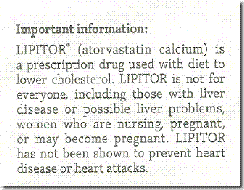
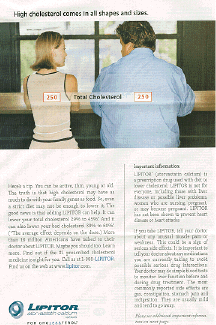
    lipitor_ad The picture in a recent ad for Lipitor implies that cholesterol-lowering is for everyone, even slim young women. However, in the fine print we learn that Lipitor “has not been shown to prevent heart disease or heart attacks”! If the makers of Lipitor need to provide this disclaimer, after millions of dollars invested in studies, why should anyone risk side effects by taking their drug?
    lipitor_ad_pt2


    To View this full article, including the extensive list of references please follow this link to the Wellness Club website.

    About the Authors

    enig Mary G. Enig, PhD is an expert of international renown in the field of lipid biochemistry. She has headed a number of studies on the content and effects of trans fatty acids in America and Israel, and has successfully challenged government assertions that dietary animal fat causes cancer and heart disease. Recent scientific and media attention on the possible adverse health effects of trans fatty acids has brought increased attention to her work. She is a licensed nutritionist, certified by the Certification Board for Nutrition Specialists, a qualified expert witness, nutrition consultant to individuals, industry and state and federal governments, contributing editor to a number of scientific publications, Fellow of the American College of Nutrition and President of the Maryland Nutritionists Association. She is the author of over 60 technical papers and presentations, as well as a popular lecturer. Dr. Enig is currently working on the exploratory development of an adjunct therapy for AIDS using complete medium chain saturated fatty acids from whole foods. She is Vice-President of the Weston A Price Foundation and Scientific Editor of Wise Traditions as well as the author of Know Your Fats: The Complete Primer for Understanding the Nutrition of Fats, Oils, and Cholesterol, Bethesda Press, May 2000. She is the mother of three healthy children brought up on whole foods including butter, cream, eggs and meat.

    fallon_06 Sally Fallon is the author of Nourishing Traditions: The Cookbook that Challenges Politically Correct Nutrition and the Diet Dictocrats (with Mary G. Enig, PhD), a well-researched, thought-provoking guide to traditional foods with a startling message: Animal fats and cholesterol are not villains but vital factors in the diet, necessary for normal growth, proper function of the brain and nervous system, protection from disease and optimum energy levels. She joined forces with Enig again to write Eat Fat, Lose Fat, and has authored numerous articles on the subject of diet and health. The President of the Weston A. Price Foundation and founder of A Campaign for Real Milk, Sally is also a journalist, chef, nutrition researcher, homemaker, and community activist. Her four healthy children were raised on whole foods including butter, cream, eggs and meat.
  • Dangers of Statin Drugs: Part 2 In A 3-Part Series

    HealthBeat News is pleased to bring you Part 2 of a special report on statin drugs and cholesterol that comes to us by special arrangement and kind permission of the authors, Sally Fallon and Mary Enig, PhD.


    In Part 1 we looked at the “problem” of hypercholesterolemia (high cholesterol), how statins work, and just what cholesterol is and why our bodies need this controversial substance. In this part, Part 2, we’ll look at the statin drugs and some of their many side-effects, and in Part 3 we will review a large number of scholarly studies on cholesterol and statins that the drug companies would rather you don’t know about as they plainly demonstrate the dangers of these drugs and of our wrong-headed obsession with reducing cholesterol levels to un-natural and un-healthy levels.


    After you, our HealthBeat News readers, have received all three parts of this series we will post it along with the full list of references on our Wellness Club website – but HealthBeat News subscribers will have access to this important and informative article first!


    Dangers of Statin Drugs: What You Haven’t Been Told About Popular Cholesterol-Lowering Medicines

    By Sally Fallon and Mary G. Enig, PhD

    Part 2 of a 3-Part series.


    Enter the Statins

    Statin drugs entered the market with great promise. They replaced a class of pharmaceuticals that lowered cholesterol by preventing its absorption from the gut. These drugs often had immediate and unpleasant side effects, including nausea, indigestion and constipation, and in the typical patient they lowered cholesterol levels only slightly. Patient compliance was low: the benefit did not seem worth the side effects and the potential for use very limited. By contrast, statin drugs had no immediate side effects: they did not cause nausea or indigestion and they were consistently effective, often lowering cholesterol levels by 50 points or more. During the last 20 years, the industry has mounted an incredible promotional campaign–enlisting scientists, advertising agencies, the media and the medical profession in a blitz that turned the statins into one of the bestselling pharmaceuticals of all time. Sixteen million Americans now take Lipitor, the most popular statin, and drug company officials claim that 36 million Americans are candidates for statin drug therapy. What bedevils the industry is growing reports of side effects that manifest many months after the commencement of therapy; the November 2003 issue of Smart Money magazine reports on a 1999 study at St. Thomas’ Hospital in London (apparently unpublished), which found that 36 percent of patients on Lipitor’s highest dose reported side effects; even at the lowest dose, 10 percent reported side effects.2

    Muscle Pain and Weakness

    The most common side effect is muscle pain and weakness, a condition called rhabdomyolysis, most likely due to the depletion of Co-Q10, a nutrient that supports muscle function. Dr. Beatrice Golomb of San Diego, California is currently conducting a series of studies on statin side effects. The industry insists that only 2-3 percent of patients get muscle aches and cramps but in one study, Golomb found that 98 percent of patients taking Lipitor and one-third of the patients taking Mevachor (a lower-dose statin) suffered from muscle problems.3 A message board devoted to Lipitor at forum.ditonline.com (update 09 JUL 2007: reader alerted us the forum is now defunct) contained more than 800 posts, many detailing severe side effects. The Lipitor board at www.rxlist.com contains more than 2,600 posts (click on Message Boards at upper left and then choose Lipitor; also note that as of 09 JUL 2007 there are 3,857 messages).

    The test for muscle wasting or rhabdomyolysis is elevated levels of a chemical called creatine kinase (CK). But many people experience pain and fatigue even though they have normal CK levels.4

    Tahoe City resident Doug Peterson developed slurred speech, balance problems and severe fatigue after three years on Lipitor–for two and a half years, he had no side effects at all.5 It began with restless sleep patterns–twitching and flailing his arms. Loss of balance followed and the beginning of what Doug calls the “statin shuffle”–a slow, wobbly walk across the room. Fine motor skills suffered next. It took him five minutes to write four words, much of which was illegible. Cognitive function also declined. It was hard to convince his doctors that Lipitor could be the culprit, but when he finally stopped taking it, his coordination and memory improved.

    John Altrocchi took Mevacor for three years without side effects; then he developed calf pain so severe he could hardly walk. He also experienced episodes of temporary memory loss.

    For some, however, muscle problems show up shortly after treatment begins. Ed Ontiveros began having muscle problems within 30 days of taking Lipitor. He fell in the bathroom and had trouble getting up. The weakness subsided when he went off Lipitor. In another case, reported in the medical journal Heart, a patient developed rhabdomyolysis after a single dose of a statin.6 Heel pain from plantar fascitis (heel spurs) is another common complaint among those taking statin drugs. One correspondent reported the onset of pain in the feet shortly after beginning statin treatment. She had visited an evangelist, requesting that he pray for her sore feet. He enquired whether she was taking Lipitor. When she said yes, he told her that his feet had also hurt when he took Lipitor.7

    Active people are much more likely to develop problems from statin use than those who are sedentary. In a study carried out in Austria, only six out of 22 athletes with familial hypercholesterolemia were able to endure statin treatment.8 The others discontinued treatment because of muscle pain.

    By the way, other cholesterol-lowering agents besides statin drugs can cause joint pain and muscle weakness. A report in Southern Medical Journal described muscle pains and weakness in a man who took Chinese red rice, an herbal preparation that lowers cholesterol.9 Anyone suffering from myopathy, fibromyalgia, coordination problems and fatigue needs to look at low cholesterol plus Co-Q10 deficiency as a possible cause.

    Neuropathy

    Polyneuropathy, also known as peripheral neuropathy, is characterized by weakness, tingling and pain in the hands and feet as well as difficulty walking. Researchers who studied 500,000 residents of Denmark, about 9 percent of that country’s population, found that people who took statins were more likely to develop polyneuropathy.10 Taking statins for one year raised the risk of nerve damage by about 15 percent–about one case for every 2,200 patients. For those who took statins for two or more years, the additional risk rose to 26 percent.

    According to the research of Dr. Golomb, nerve problems are a common side effect from statin use; patients who use statins for two or more years are at a four to 14-fold increased risk of developing idiopathic polyneuropathy compared to controls.11 She reports that in many cases, patients told her they had complained to their doctors about neurological problems, only to be assured that their symptoms could not be related to cholesterol-lowering medications.

    The damage is often irreversible. People who take large doses for a long time may be left with permanent nerve damage, even after they stop taking the drug.

    The question is, does widespread statin-induced neuropathy make our elderly drivers (and even not-so-elderly drivers) more accident prone? In July of 2003, an 86-year-old driver with an excellent driving record plowed into a farmers’ market in Santa Monica, California, killing 10 people. Several days later, a most interesting letter from a Lake Oswego, Oregon woman appeared in the Washington Post:12

    “My husband, at age 68, backed into the garage and stepped on the gas, wrecking a lot of stuff. He said his foot slipped off the brake. He had health problems and is on medication, including a cholesterol drug, which is now known to cause problems with feeling in one’s legs.

    “In my little community, older drivers have missed a turn and taken out the end of a music store, the double doors of the post office and the front of a bakery. In Portland, a bank had to do without its drive-up window for some time.

    “It is easy to say that one’s foot slipped, but the problem could be lack of sensation. My husband’s sister-in-law thought her car was malfunctioning when it refused to go when a light turned green, until she looked down and saw that her food was on the brake. I have another friend who mentioned having no feeling in her lower extremities. She thought about having her car retrofitted with hand controls but opted for the handicapped bus instead.”

    Heart Failure

    We are currently in the midst of a congestive heart failure epidemic in the United States–while the incidence of heart attack has declined slightly, an increase in the number heart failure cases has outpaced these gains. Deaths attributed to heart failure more than doubled from 1989 to 1997.13 (Statins were first given pre-market approval in 1987.) Interference with production of Co-Q10 by statin drugs is the most likely explanation. The heart is a muscle and it cannot work when deprived of Co-Q10.

    Cardiologist Peter Langsjoen studied 20 patients with completely normal heart function. After six months on a low dose of 20 mg of Lipitor a day, two-thirds of the patients had abnormalities in the heart’s filling phase, when the muscle fills with blood. According to Langsjoen, this malfunction is due to Co-Q10 depletion. Without Co-Q10, the cell’s mitochondria are inhibited from producing energy, leading to muscle pain and weakness. The heart is especially susceptible because it uses so much energy.14

    Co-Q10 depletion becomes more and more of a problem as the pharmaceutical industry encourages doctors to lower cholesterol levels in their patients by greater and greater amounts. Fifteen animal studies in six different animal species have documented statin-induced Co-Q10 depletion leading to decreased ATP production, increased injury from heart failure, skeletal muscle injury and increased mortality. Of the nine controlled trials on statin-induced Co-Q10 depletion in humans, eight showed significant Co-Q10 depletion leading to decline in left ventricular function and biochemical imbalances.15

    Yet virtually all patients with heart failure are put on statin drugs, even if their cholesterol is already low. Of interest is a recent study indicating that patients with chronic heart failure benefit from having high levels of cholesterol rather than low. Researchers in Hull, UK followed 114 heart failure patients for at least 12 months.16 Survival was 78 percent at 12 months and 56 percent at 36 months. They found that for every point of decrease in serum cholesterol, there was a 36 percent increase in the risk of death within 3 years.

    Dizziness

    Dizziness is commonly associated with statin use, possibly due to pressure-lowering effects. One woman reported dizziness one half hour after taking Pravachol.17 When she stopped taking it, the dizziness cleared up. Blood pressure lowering has been reported with several statins in published studies. According to Dr. Golumb, who notes that dizziness is a common adverse effect, the elderly may be particularly sensitive to drops in blood pressure.18

    Cognitive Impairment

    The November 2003 issue of Smart Money19 describes the case of Mike Hope, owner of a successful ophthalmologic supply company: “There’s an awkward silence when you ask Mike Hope his age. He doesn’t change the subject or stammer, or make a silly joke about how he stopped counting at 21. He simply doesn’t remember. Ten seconds pass. Then 20. Finally an answer comes to him. ‘I’m 56,’ he says. Close, but not quite. ‘I will be 56 this year.’ Later, if you happen to ask him about the book he’s reading, you’ll hit another roadblock. He can’t recall the title, the author or the plot.” Statin use since 1998 has caused his speech and memory to fade. He was forced to close his business and went on Social Security 10 years early. Things improved when he discontinued Lipitor in 2002, but he is far from complete recovery–he still cannot sustain a conversation. What Lipitor did was turn Mike Hope into an old man when he was in the prime of life.

    Cases like Mike’s have shown up in the medical literature as well. An article in Pharmacotherapy, December 2003, for example, reports two cases of cognitive impairment associated with Lipitor and Zocor.20 Both patients suffered progressive cognitive decline that reversed completely within a month after discontinuation of the statins. A study conducted at the University of Pittsburgh showed that patients treated with statins for six months compared poorly with patients on a placebo in solving complex mazes, psychomotor skills and memory tests.21

    Dr. Golomb has found that 15 percent of statin patients develop some cognitive side effects.22 The most harrowing involve global transient amnesia–complete memory loss for a brief or lengthy period–described by former astronaut Duane Graveline in his book Lipitor: Thief of Memory.23 Sufferers report baffling incidents involving complete loss of memory–arriving at a store and not remembering why they are there, unable to remember their name or the names of their loved ones, unable to find their way home in the car. These episodes occur suddenly and disappear just as suddenly. Graveline points out that we are all at risk when the general public is taking statins–do you want to be in an airplane when your pilot develops statin-induced amnesia?

    While the pharmaceutical industry denies that statins can cause amnesia, memory loss has shown up in several statin trials. In a trial involving 2502 subjects, amnesia occurred in 7 receiving Lipitor; amnesia also occurred in 2 of 742 subjects during comparative trials with other statins. In addition, “abnormal thinking” was reported in 4 of the 2502 clinical trial subjects.24 The total recorded side effects was therefore 0.5 percent; a figure that likely under-represents the true frequency since memory loss was not specifically studied in these trials.

    Cancer

    In every study with rodents to date, statins have caused cancer.25 Why have we not seen such a dramatic correlation in human studies? Because cancer takes a long time to develop and most of the statin trials do not go on longer than two or three years. Still, in one trial, the CARE trial, breast cancer rates of those taking a statin went up 1500 percent.26 In the Heart Protection Study, non-melanoma skin cancer occurred in 243 patients treated with simvastatin compared with 202 cases in the control group.27

    Manufacturers of statin drugs have recognized the fact that statins depress the immune system, an effect that can lead to cancer and infectious disease, recommending statin use for inflammatory arthritis and as an immune suppressor for transplant patients.28

    Pancreatic Rot

    The medical literature contains several reports of pancreatitis in patients taking statins. One paper describes the case of a 49-year-old woman who was admitted to the hospital with diarrhea and septic shock one month after beginning treatment with lovastatin.29 She died after prolonged hospitalization; the cause of death was necrotizing pancreatitis. Her doctors noted that the patient had no evidence of common risk factors for acute pancreatitis, such as biliary tract disease or alcohol use. “Prescribers of statins (particularly simvastatin and lovastatin) should take into account the possibility of acute pancreatitis in patients who develop abdominal pain within the first weeks of treatment with these drugs,” they warned.

    Depression

    Numerous studies have linked low cholesterol with depression. One of the most recent found that women with low cholesterol are twice as likely to suffer from depression and anxiety. Researchers from Duke University Medical Center carried out personality trait measurements on 121 young women aged 18 to 27.30 They found that 39 percent of the women with low cholesterol levels scored high on personality traits that signalled proneness to depression, compared to 19 percent of women with normal or high levels of cholesterol. In addition, one in three of the women with low cholesterol levels scored high on anxiety indicators, compared to 21 percent with normal levels. Yet the author of the study, Dr. Edward Suarez, cautioned women with low cholesterol against eating “foods such as cream cakes” to raise cholesterol, warning that these types of food “can cause heart disease.” In previous studies on men, Dr. Suarez found that men who lower their cholesterol levels with medication have increased rates of suicide and violent death, leading the researchers to theorize “that low cholesterol levels were causing mood disturbances.”

    How many elderly statin-takers eke through their golden years feeling miserable and depressed, when they should be enjoying their grandchildren and looking back with pride on their accomplishments? But that is the new dogma–you may have a long life as long as it is experienced as a vale of tears.

  • Dangers of Statin Drugs: Part 1 In A 3-Part Series

    HealthBeat News is pleased to bring you a special report on statin drugs and cholesterol that comes to us by special arrangement and kind permission of the authors, Sally Fallon and Mary Enig, PhD. Many of our patients and HealthBeat News readers have been asking about these important subjects recently, and Dr. Myatt felt that even though we here at The Wellness Club have written frequently on this subject in the past, this article provides another scholarly and fully referenced look at this subject that is well worth reading.


    This article will be presented in three parts in your HealthBeat Newsletter: Part 1, this part, will look at the “problem” of hypercholesterolemia (high cholesterol), how statins work, and just what cholesterol is and why our bodies need this controversial substance. In Part 2 we’ll look at the statin drugs and some of their many side-effects, and Part 3 will review a large number of scholarly studies on cholesterol and statins that the drug companies would rather you don’t know about as they plainly demonstrate the dangers of these drugs and of our wrong-headed obsession with reducing cholesterol levels to un-natural and un-healthy levels.


    After you, our HealthBeat News readers, have received all three parts of this series we will post it along with the full list of references on our Wellness Club website – but HealthBeat News subscribers will have access to this important and informative article first!


    Dangers of Statin Drugs: What You Haven’t Been Told About Popular Cholesterol-Lowering Medicines

    By Sally Fallon and Mary G. Enig, PhD


    Part 1 in a 3-part series


    Hypercholesterolemia is the health issue of the 21st century. It is actually an invented disease, a “problem” that emerged when health professionals learned how to measure cholesterol levels in the blood. High cholesterol exhibits no outward signs–unlike other conditions of the blood, such as diabetes or anemia, diseases that manifest telltale symptoms like thirst or weakness–hypercholesterolemia requires the services of a physician to detect its presence. Many people who feel perfectly healthy suffer from high cholesterol–in fact, feeling good is actually a symptom of high cholesterol!

    Doctors who treat this new disease must first convince their patients that they are sick and need to take one or more expensive drugs for the rest of their lives, drugs that require regular checkups and blood tests. But such doctors do not work in a vacuum–their efforts to convert healthy people into patients are bolstered by the full weight of the US government, the media and the medical establishment, agencies that have worked in concert to disseminate the cholesterol dogma and convince the population that high cholesterol is the forerunner of heart disease and possibly other diseases as well.

    Who suffers from hypercholesterolemia? Peruse the medical literature of 25 or 30 years ago and you’ll get the following answer: any middle-aged man whose cholesterol is over 240 with other risk factors, such as smoking or overweight. After the Cholesterol Consensus Conference in 1984, the parameters changed; anyone (male or female) with cholesterol over 200 could receive the dreaded diagnosis and a prescription for pills. Recently that number has been moved down to 180. If you have had a heart attack, you get to take cholesterol-lowering medicines even if your cholesterol is already very low–after all, you have committed the sin of having a heart attack so your cholesterol must therefore be too high. The penance is a lifetime of cholesterol-lowering medications along with a boring lowfat diet. But why wait until you have a heart attack? Since we all labor under the stigma of original sin, we are all candidates for treatment. Current edicts stipulate cholesterol testing and treatment for young adults and even children.

    The drugs that doctors use to treat the new disease are called statins–sold under a variety of names including Lipitor (atorvastatin), Zocor (simvastatin), Mevacor (lovastatin) and Pravachol (pravastatin).

    How Statins Work

    The diagram below illustrates the pathways involved in cholesterol production. The process begins with acetyl-CoA, a two-carbon molecule sometimes referred to as the “building block of life.” Three acetyl-CoA molecules combine to form six-carbon hydroxymethyl glutaric acid (HMG). The step from HMG to mevalonate requires an enzyme, HMG-CoA reductase. Statin drugs work by inhibiting this enzyme–hence the formal name of HMG-CoA reductase inhibitors. Herein lies the potential for numerous side effects, because statin drugs inhibit not just the production of cholesterol, but a whole family of intermediary substances, many if not all of which have important biochemical functions in their own right.

    Consider the findings of pediatricians at the University of California, San Diego who published a description of a child with an hereditary defect of mevalonic kinase, the enzyme that facilitates the next step beyond HMG-CoA reductase.1 The child was mentally retarded, microcephalic (very small head), small for his age, profoundly anemic, acidotic and febrile. He also had cataracts. Predictably, his cholesterol was consistently low–70-79 mg/dl. He died at the age of 24 months. The child represents an extreme example of cholesterol inhibition, but his case illuminates the possible consequences of taking statins in strong doses or for a lengthy period of time–depression of mental acuity, anemia, acidosis, frequent fevers and cataracts.

    What About Aspirin?

    The other drug recommended for prevention of heart attacks and strokes is aspirin. Estimates suggest that 20 million persons are taking aspirin daily for prevention of vascular accidents. Yet at least four studies have shown no benefit. A study using Bufferin (aspirin and magnesium) showed no reduction in fatal heart attacks and no improvement in survival rate but a 40 percent decrease in the number of nonfatal heart attacks. Commentators reported these results as showing the benefit of aspirin, ignoring the fact that magnesium is of proven benefit in heart disease. Aspirin inhibits the enzyme Delta-6 Desaturase, needed for the production of Gamma-Linoleic Acid (GLA) and important anti-inflammatory prostaglandins. This fact explains many of aspirin’s side effects, including gastrointestinal bleeding and increased risk of macular degeneration and cataract formation. Other side effects include increased risk of pancreatic cancer, acid reflux, asthma attacks, kidney damage, liver problems, ulcers, anemia, hearing loss, allergic reactions, vomiting, diarrhea, dizziness and even hallucinations (James Howenstine, NewsWithViews.com, April 21, 2004).

    Cholesterol is one of three end products in the mevalonate chain. The two others are ubiquinone and dilochol. Ubiquinone or Co-Enzyme Q10 is a critical cellular nutrient biosynthesized in the mitochondria. It plays a role in ATP production in the cells and functions as an electron carrier to cytochrome oxidase, our main respiratory enzyme. The heart requires high levels of Co-Q10. A form of Co-Q10 called ubiquinone is found in all cell membranes where it plays a role in maintaining membrane integrity so critical to nerve conduction and muscle integrity. Co-Q10 is also vital to the formation of elastin and collagen. Side effects of Co-Q10 deficiency include muscle wasting leading to weakness and severe back pain, heart failure (the heart is a muscle!), neuropathy and inflammation of the tendons and ligaments, often leading to rupture.

    Dolichols also play a role of immense importance. In the cells they direct various proteins manufactured in response to DNA directives to their proper targets, ensuring that the cells respond correctly to genetically programmed instruction. Thus statin drugs can lead to unpredictable chaos on the cellular level, much like a computer virus that wipes out certain pathways or files.

    Squalene, the immediate precursor to cholesterol, has anti-cancer effects, according to research.

    The fact that some studies have shown that statins can prevent heart disease, at least in the short term, is most likely explained not by the inhibition of cholesterol production but because they block the creation of mevalonate. Reduced amounts of mevalonate seem to make smooth muscle cells less active, and platelets less able to produce thromboxane. Atherosclerosis begins with the growth of smooth muscle cells in side artery walls and thromboxane is necessary for blood clotting.

    Cholesterol Synthesis

    Cholesterol Synthesis Diagram

    Cholesterol

    Dietary Trials

    Doctors and other health professionals claim there is ample proof that animal fats cause heart disease while they confidently advise us to adopt a lowfat diet; actually the literature contains only two studies involving humans that compared the outcome (not markers like cholesterol levels) of a diet high in animal fat with a diet based on vegetable oils, and both showed that animal fats are protective.

    The Anti-Coronary Club project, launched in 1957 and published in 1966 in the Journal of the American Medical Association, compared two groups of New York businessmen, aged 40 to 59 years. One group followed the so-called “Prudent Diet” consisting of corn oil and margarine instead of butter, cold breakfast cereals instead of eggs and chicken and fish instead of beef; a control group ate eggs for breakfast and meat three times per day. The final report noted that the Prudent Dieters had average serum cholesterol of 220 mg/l, compared to 250 mg/l in the eggs-and-meat group. But there were eight deaths from heart disease among Prudent Dieter group, and none among those who ate meat three times a day

    In a study published in the British Medical Journal, 1965, patients who had already had a heart attack were divided into three groups: one group got polyunsaturated corn oil, the second got monounsaturated olive oil and the third group was told to eat animal fat. After two years, the corn oil group had 30 percent lower cholesterol, but only 52 percent of them were still alive. The olive oil groups fared little better–only 57 percent were alive after two years. But of the group that ate mostly animal fat, 75 percent were still alive after two years.

    Of course, statins inhibit the production of cholesterol–they do this very well. Nowhere is the failing of our medical system more evident than in the wholesale acceptance of cholesterol reduction as a way to prevent disease–have all these doctors forgotten what they learned in biochemistry 101 about the many roles of cholesterol in the human biochemistry? Every cell membrane in our body contains cholesterol because cholesterol is what makes our cells waterproof–without cholesterol we could not have a different biochemistry on the inside and the outside of the cell. When cholesterol levels are not adequate, the cell membrane becomes leaky or porous, a situation the body interprets as an emergency, releasing a flood of corticoid hormones that work by sequestering cholesterol from one part of the body and transporting it to areas where it is lacking. Cholesterol is the body’s repair substance: scar tissue contains high levels of cholesterol, including scar tissue in the arteries.

    Cholesterol is the precursor to vitamin D, necessary for numerous biochemical processes including mineral metabolism. The bile salts, required for the digestion of fat, are made of cholesterol. Those who suffer from low cholesterol often have trouble digesting fats. Cholesterol also functions as a powerful antioxidant, thus protecting us against cancer and aging.

    Cholesterol is vital to proper neurological function. It plays a key role in the formation of memory and the uptake of hormones in the brain, including serotonin, the body’s feel-good chemical. When cholesterol levels drop too low, the serotonin receptors cannot work. Cholesterol is the main organic molecule in the brain, constituting over half the dry weight of the cerebral cortex.

    Finally, cholesterol is the precursor to all the hormones produced in the adrenal cortex including glucocorticoids, which regulate blood sugar levels, and mineralocorticoids, which regulate mineral balance. Corticoids are the cholesterol-based adrenal hormones that the body uses in response to stress of various types; it promotes healing and balances the tendency to inflammation. The adrenal cortex also produces sex hormones, including testosterone, estrogen and progesterone, out of cholesterol. Thus, low cholesterol–whether due to an innate error of metabolism or induced by cholesterol-lowering diets and drugs–can be expected to disrupt the production of adrenal hormones and lead to blood sugar problems, edema, mineral deficiencies, chronic inflammation, difficulty in healing, allergies, asthma, reduced libido, infertility and various reproductive problems.

    NEXT: In Part 2 we’ll look at the statin drugs and some of their many side-effects