Category: Drugs and Alternatives

  • Is Common Fish Oil A New Cancer Cure?

    By Nurse Mark


    Vital To Health


    Omega 3 fatty acids such as are found in fish oil are essential to health. In fact, they are essential to life itself – without adequate amounts of essential fatty acids, including the Omega 3 fatty acids EPA (eicosapentaenoic acid) and DHA (docosahexaenoic acid) in our diet we will soon sicken and even die.

    We know that deficiencies of Omega-3 Essential Fatty Acids contribute to subtle body-wide inflammation which in turn is associated with over 60 known diseases including:

    overweight and obesity

    autoimmune disease

    neurological disease

    heart disease

    allergies

    psoriasis and eczema

    cancer

    asthma

    high blood pressure

    arthritis

    depression

    stroke


    Now a Cancer Treatment Too?


    We have long know how valuable EPA and DHA are to health – but new research is showing that these essential fatty acids can be potent cancer-fighting compounds as well.

    Researchers at the University of London, England have published a paper detailing their success in using Omega 3 fatty acids to induce cell death in malignant and pre-malignant cells called keratonicytes (skin cells). They also found that the doses of Omega 3 fatty acids needed to kill the cancerous and pre-malignant cells was not harmful to normal, healthy cells.

    In a news release by the University of London, lead researcher Dr Nikolakopoulou said: “As the doses needed to kill the cancer cells do not affect normal cells, especially with one particular fatty acid we used called Eicosapentaenoic acid (EPA), there is potential for using omega-3 fatty acids in the prevention and treatment of skin and oral cancers.”

    Untreated Cancer Keratonicytes Omega-3 Treated Cancer Keratinocytes

    This shows untreated cancer keratonicytes.

    Image Credit: Queen Mary, University of London

    This shows omega-3 treated cancer keratinocytes.

    Image Credit: Queen Mary, University of London


    Why Is This Important?


    Keratinocytes are simply the fancy name for skin cells – another name for these cells in squamous cells. Most people have heard of a cancer called Squamous Cell Carcinoma (SCC) – or “skin cancer.” Squamous cells form the outermost layers of the skin, and SCC is one of the main forms of skin cancer.

    Squamous cells are also part of the lining of the digestive tract (including the lips and mouth), the lungs, and other areas of the body. Mouth cancer, or Oral Squamous Cell Carcinoma (OSCC) is the sixth most common cancer worldwide.


    Big Pharma Takes Note…


    Of course, no researcher survives long without ensuring that their work attracts the attention of the pharmaceutical companies, and Big Pharma doesn’t give out research grants for things unlikely to become patentable and profitable.

    Omega 3 fatty acids are not patentable – they come from fish. So why would a researcher put any effort into Omega 3 fatty acids? In that same news release we find a clue:

    “It may be that those at an increased risk of such cancers – or their recurrence – could benefit from increased omega-3 fatty acids. Moreover, as the skin and oral cancers are often easily accessible, there is the potential to deliver targeted doses locally via aerosols or gels. However further research is needed to define the appropriate therapeutic doses.”


    Translation?


    “People should take more Omega 3 fatty acids to prevent and treat cancers. Meanwhile we’ll work on figuring out some new, patentable delivery system that will make us a big profit. Oh, and I’ll need another research grant so that I can figure out what doses will be needed.”


    The Take-Home Message


    Dr. Myatt has long advocated Fish Oil supplements as one of the pillars of a daily supplementation regimen for optimal health. This new research just adds additional weight to the importance of Omega 3 essential fatty acids in our health.

    Dr. Myatt’s top recommendation for purity and potency in Omega 3 fatty acids is Maxi Marine O-3 fish oil.


    Learn more about the important nutritional benefits of Omega 3 Essential Fatty Acids here.


    References


    Zacharoula Nikolakopoulou, Georgios Nteliopoulos, Adina Teodora Michael-Titus and Eric Kenneth Parkinson. Omega-3 polyunsaturated fatty acids selectively inhibit growth in neoplastic oral keratinocytes by differentially activating ERK1/2, Oxford Journals, Carcinogenesis,Advance Access, 10.1093/carcin/bgt257
    http://carcin.oxfordjournals.org/content/early/2013/07/24/carcin.bgt257.abstract

    Fatty acids could aid cancer prevention and treatment – Public release date: 1-Aug-2013, Queen Mary, University of London. http://www.eurekalert.org/pub_releases/2013-08/qmuo-fa080113.php
  • Are You Missing This Important Mineral?

    By Nurse Mark


    Magnesium.


    You know the stuff; that really lightweight metal that you had fun with in high school chemistry class. There was always the class clown who would put a match to a piece of it, and it would burn with an incredibly bright, white light. Invariably, someone would panic and try to douse the flame with water – which would only make it burn more ferociously…

    Magnesium is one of the most common minerals on our planet Earth – the fourth most common element in fact after iron, oxygen and silicon.

    Yet many people are deficient in this important, precious (for health) mineral.

    How can this be?


    Our ancestors rarely suffered from magnesium deficiencies – they got plenty in their diets. That is unfortunately not the case today.

    Can you say “monoculture“?


    Modern, “industrial” agriculture methods have depleted our topsoil of this and many other minerals, leaving our crops and thus our diets deficient. Even the USDA admits that less than a third of Americans don’t get even the minimal USDA recommended dietary allowance (RDA) of 240 to 420 millgrams per day.

    Why is magnesium so important to our health?


    Magnesium is involved in energy processes, nerve function, enzyme activation, and protein formation.

    Magnesium is essential to the basic chemistry of life – nucleic acid. Over 300 enzymes require magnesium to function, including all enzymes that utilize or synthesizing ATP (adenosine triphosphate – the most basic energy source for our cells), and enzymes used to synthesize DNA and RNA. ATP is found in cells in the form of ATP and a magnesium ion bound together in a chelate.

    So what – if I’m a little low?


    Since magnesium is important to so many vital physical processes in our bodies it’s easy to see how a deficiency can have so many, wide ranging, and serious effects.

    Magnesium deficiency is associated with:

    fatigue glaucoma depression
    high blood pressure diabetes hearing loss
    fibromyalgia kidney stones osteoporosis
    asthma gallbladder stones cancer
    stroke migraine insomnia
    heart disease (arrhythmia, CHF, angina, acute MI) pregnancy complications (toxemia, premature delivery) premenstrual syndrome
     

    And that’s just the tip of the iceberg.


    Without magnesium our bones cannot utilize calcium properly, leading to osteoporosis. This also why a magnesium deficiency can lead to kidney and gall stone formation and can result in vascular calcification (AKA “hardening of the arteries”).

    Magnesium is Mother Nature’s “calcium channel blocker.” Calcium Channel Blockers are drugs used to control high blood pressure. The drugs have a multitude of nasty side effects. Magnesium doesn’t, and it lowers high blood pressure very nicely.

    Magnesium is a “calming” mineral. It reduces muscle cramps and spasms and is used in emergency medicine to treat life-threatening heart arrhythmias.

    Magnesium deficiencies are associated with metabolic syndrome and Type II Diabetes.

    Small doses of magnesium were found to be as effective as drugs in treating depressed elderly Type II Diabetics, and has been speculated to be useful in the treatment of other depression as well.

    But what if I take too much?


    Like anything, it is possible to get too much magnesium. Difficult, but possible. Excess magnesium in the blood is quickly and effectively filtered out by the kidneys, so it’s hard to overdose on magnesium from dietary sources alone.

    Overdose is possible with misuse of supplements, particularly in people with poor renal function and occasionally people using high doses of magnesium salts as a cathartic can get themselves into trouble, causing hypermagnesemia even if they don’t have renal dysfunction – they just overwhelm their kidneys ability to cope with the overload.

    For most people however, excess magnesium in the system is going to be quickly eliminated in the urine.

    Where can I get some?


    Diet is the best way to get your magnesium. Unfortunately, as we discussed earlier, our soils are depleted and our crops are lacking. Green leafy vegetables, such as spinach, legumes, nuts, seeds, and whole grains, are good sources of magnesium.

    Like almonds? They provide up to 20% of the RDA of magnesium (80mg) per one ounce serving. Spinach runs a close second, providing 78mg per half cup. Cashews are number 3 with 74mg per one ounce serving – who knew that eating healthy could be so great!

    But remember, the RDA is 240 to 420 millgrams per day – and you really should be getting twice that much for optimal health!

    Supplementation provides a more certain source for magnesium.


    Multiple vitamin / mineral formulas should ideally contain goodly amounts of magnesium. For example, Dr. Myatt’s Maxi Multi provides 500mg per day. For those who need more, Magnesium Glycinate is available in 100mg capsules to allow optimal fine-tuning of daily intake. And for those who are concerned with osteoporosis and bone health, CalMag Amino contains 200mg of magnesium in the optimal ratio with calcium along with several other essential bone health nutrients including Vitamin D, boron, and Vitamin K.

    Ever get a charley-horse or other muscle cramps?


    Magnesium absorbs quickly through the skin and relieves muscle cramps fast. Try massaging in a few sprays of Magnesium Oil – Dr. Myatt uses this herself for muscle cramps after exercise and she swears by it. It’s not really oil – it is a very thick brine (like a salt solution) that feels oily going on but absorbs in to the skin quickly. It doesn’t stain like oil, but it does sometimes leave a light powdery residue on the skin that is easily wiped or washed away. This stuff is like a “miracle cure” for kids who are prone to night-time muscle cramps, “growing pains,” and charley-horses!


    Magnesium – who knew that “science class” stuff would turn out to be so important!


    References:

    National Institutes for Health Office of Dietary Supplements Fact Sheet on Magnesium: http://ods.od.nih.gov/factsheets/Magnesium-HealthProfessional/ – includes numerous additional references.

    Eby Ga, 3rd; Eby, KL (2010). “Magnesium for treatment-resistant depression: a review and hypothesis”. Medical hypotheses 74 (4): 649–660.

    Barragán-Rodríguez, L; Rodríguez-Morán, M; Guerrero-Romero, F (2008). “Efficacy and safety of oral magnesium supplementation in the treatment of depression in the elderly with type 2 diabetes: a randomized, equivalent trial”. Magnesium research : official organ of the International Society for the Development of Research on Magnesium 21 (4): 218–23.

    Jee SH, Miller ER III, Guallar E et al. (2002). “The effect of magnesium supplementation on blood pressure: a meta-analysis of randomized clinical trials”. Am J Hypertens 15 (8): 691–696.

    Guerrero-Romero F, Rodriguez-Moran M (2002). “Low serum magnesium levels and metabolic syndrome”. Acta Diabetol 39 (4): 209–213.

    Zipes DP, Camm AJ, Borggrefe M et al. (2012). “ACC/AHA/ESC 2006 Guidelines for Management of Patients With Ventricular Arrhythmias and the Prevention of Sudden Cardiac Death: a report of the American College of Cardiology/American Heart Association Task Force and the European Society of Cardiology Committee for Practice Guidelines (writing committee to develop Guidelines for Management of Patients With Ventricular Arrhythmias and the Prevention of Sudden Cardiac Death): developed in collaboration with the European Heart Rhythm Association and the Heart Rhythm Society”. Circulation 114 (10): e385–e484.

    James MF (2010). “Magnesium in obstetrics”. Best Pract Res Clin Obstet Gynaecol 24 (3): 327–337.

    Hashimoto T, Hara A, Ohkubo T et al. (2010). “Serum magnesium, ambulatory blood pressure, and carotid artery alteration: the Ohasama study”. Am J Hypertens 23 (12): 1292–1298.

    Massy ZA, Drüeke TB (2012). “Magnesium and outcomes in patients with chronic kidney disease: focus on vascular calcification, atherosclerosis, and survival”. Clin Kidney J 5 (Suppl 1): i52–i61.

    Turgut F, Kanbay M, Metin MR et al. (2008). “Magnesium supplementation helps to improve carotid intima media thickness in patients on hemodialysis”. Int Urol Nephrol 40 (4): 1075–1082.

    “Lack Energy? Maybe It’s Your Magnesium Level”. United States Department of Agriculture.

    Euser, A. G.; Cipolla, M. J. (2009). “Magnesium Sulfate for the Treatment of Eclampsia: A Brief Review”. Stroke 40 (4): 1169–1175.

  • More Reasons To Have A TENS Unit – Motion Sickness!

    By Nurse Mark


    TENS therapy – it’s a modern miracle, an example of the wonders of applied technology, and the list of uses just keeps growing. Transcutaneous electrical nerve stimulation (TENS) therapy uses low-voltage electrical current for pain relief, and it can also be used for muscle stimulation.

    Patients tell us they use TENS-type devices to relieve pain from many illnesses and conditions.

    Some common uses are to treat muscle, joint, or bone problems that occur with illnesses such as osteoarthritis or fibromyalgia, or for conditions such as low back pain, neck pain, tendonitis, or bursitis. Many people have also used their TENS to treat sudden, acute pain from muscle strain or overuse, and even labor pain, and chronic pain such as cancer pain. Diabetics have reported good results with the use of these devices to improve diabetic neuropathy. Bodybuilders use these devices both for soothing relief after a workout, and as a muscle stimulator for very targeted muscle exercise (Like working a biceps for example).

    Now we have found that there is another, surprising use for this device – relief of motion sickness!

    Motion sickness (kinetosis) is also known as travel sickness. Researchers believe it is a condition in which a disagreement exists between movement that we see visually and our inner ear’s sense of movement. Depending on the cause, it may also be called seasickness, car sickness, simulation sickness (experienced by pilots using flight simulators), airsickness and even spacesickness in astronauts.

    Because it affects so many people, especially highly trained (and expensive) people like military pilots and astronauts, there has been research into ways of combating it’s effects.

    In doing some related research, Dr. Myatt came across a study performed by the Institute of Aerospace and Undersea Medicine, School of Medicine, National Defense Medical Center, Taipei, Taiwan that found TENS stimulation to be highly effective in their test subjects of healthy young men from the Aviation Physiology Research Laboratory of Gangshan Armed Forces Hospital in China.

    The bottom line?

    Anyone who has ever suffered from motion sickness of any kind knows just how debilitating it can be. It can strike in seconds, without warning, and can effectively debilitate the sufferer. This is especially important for people like pilots, who must be able to continue their duties – there is no pulling over to the side of the road for a few minutes when you are flying an airplane!

    The Chinese studied the use of TENS to combat motion sickness that occurs in flight simulators – presumably because that is easier and safer to do that to induce airsickness in actual, flying pilots. Their findings?

    Preventive TENS was effective in reducing SS [Simulator Sickness] symptoms and alleviating cognitive impairment. The beneficial effects of TENS should aid researchers and occupational therapists in implementing best practices for their clients receiving simulator-based training or rehabilitation services.

    So, if motion sickness has held you back from doing things that you would like to do, this is a treatment that is well worth trying: it is easy, non-drug, non-invasive, has no side effects, and the TENS unit itself is relatively inexpensive with a wide variety of additional uses.

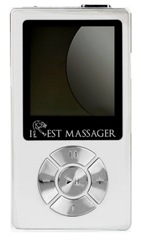
    iRestMassagerThose who wish to replicate the treatment used in the Chinese study will find it very well described in this paper:

    Simultaneous transcutaneous electrical nerve stimulation mitigates simulator sickness symptoms in healthy adults: a crossover study. 

    This article is the complete one and can be found online at: http://www.biomedcentral.com/1472-6882/13/84

    Dr. Myatt feels strongly about the benefits of TENS therapy and makes a very high quality device available at a significant savings – check out the IREST Mini Massager here: https://www.drmyattswellnessclub.com/TENS_Unit.htm

  • Got PTSD? Want To Make It Worse? Just Take This Drug!

    By Nurse Mark


    I’ve written before (some might even say I’ve ranted) about the dangers of drugs for sleep.

    If you haven’t read Kavinace Or The Lunesta Moth? You Decide! and Dying For A Good Night’s Sleep? I invite you to take a moment and do so now.

    But if those articles don’t make you very afraid of the dangers of sleeping pills, maybe this most recent bit of research will.

    You see, while this latest study is of special concern to those who suffer with PTSD (Post Traumatic Stress Disorder) it also applies to almost everyone who has any sort of “bad memory” that they would be just as happy to not remember.

    PTSD is best known for affecting those who have been involved in horrific and traumatic situations; we think of military veterans who have seen the horrors of war or first responders who have dealt with terrible accidents and disasters or people who have survived such horrifying events as the 9/11 attacks.

    But in truth, PTSD can be more subtle. It can be anything that creates a traumatic stress for the person involved. The car wreck that shook you up. The mugging that you survived. The 5th grade beating at the hands of the schoolyard bully. The nasty, bitter divorce you went through. All of these are the sort of memories that we are just as happy to forget.

    So, what has all this got to do with sleeping pills?

    Well, we all have occasional difficulty with sleep but people suffering PTSD are more likely to have sleep difficulties. Often, it is the memories of a traumatic event that disrupts sleep. So, it is no surprise that PTSD sufferers seek help to sleep and are often prescribed sleeping pills. Pills like Ambien, or Lunesta and other members of the “Z-drug” family, or benzodiazepines such as Valium or Librium or Ativan.

    And yes, these pills do indeed help people sleep. It turns out that these pills also seem to make it easier for people to remember. Now, this might be a good thing, if it helped us to remember the things we want to remember – like the answers for the big exam, or the date of our mother-in-law’s birthday, or passwords and PIN numbers, or where we put the car keys and just where in that big parking garage did we leave the car.

    But no, sleeping pills don’t help us remember these useful things. It turns out that they make it easier for us to remember traumatic and stressful things. Like the things that caused us the PTSD that is disturbing our sleep so that we want help from a sleeping pill.

    Can you see the problem here?

    You have unpleasant old memories that sometimes keep you awake – so you take a sleeping pill, But the sleeping pill makes it easier to revisit unpleasant old memories… and they keep you awake… Uh-Oh – I can see this is not going to end well…

    A recently published study titled “Pharmacologically Increasing Sleep Spindles Enhances Recognition for Negative and High-arousal Memories.” provides plenty of caution for anyone who uses these drugs for sleep, and especially those people who may suffer from anxiety or PTSD.

    In an article published by University of California Riverside on June 12, 2013, researcher Sara C. Mednick, assistant professor of psychology at UC Riverside says of of the study:

    “I was surprised by the specificity of the results, that the emotional memory improvement was specifically for the negative and high-arousal memories, and the ramifications of these results for people with anxiety disorders and PTSD,” Mednick said. “These are people who already have heightened memory for negative and high-arousal memories. Sleep drugs might be improving their memories for things they don’t want to remember.”

    So, what can you do if you can’t sleep – just suffer? Of course not!

    Please visit Dr. Myatt’s page Insomnia where she discusses natural strategies for good sleep. We have also had excellent results with an herb called Kavinace, which potentiates GABA, one of the main inhibitory neurotransmitters. Higher GABA levels can relieve anxiety and promote restful sleep.

    Let’s face it – all we really want is a good night’s sleep with pleasant dreams. So why would we take drugs that have been shown to help us dredge up unhappy memories? Banish the benzo’s and boot the Lunesta moth out of your bedroom and get a healthy, natural night’s sleep!


    References:

    Sleep Mechanism Identified That Plays Role in Emotional Memory: UC researchers also find that Ambien heightens recollection of and response to bad memories. http://ucrtoday.ucr.edu/15887

    Erik J. Kaestner, John T. Wixted, and Sara C. Mednick, University of California: Pharmacologically Increasing Sleep Spindles Enhances Recognition for Negative and High-arousal Memories. Posted Online June 14, 2013. (doi:10.1162/jocn_a_00433) http://www.mitpressjournals.org/doi/abs/10.1162/jocn_a_00433

  • BioIdentical Hormones, Compounded Drugs Under Attack – Again

    By Nurse Mark


    Laws were broken and people were harmed, even killed by a compounding pharmacy in Massachusetts.

    The company, New England Compounding Center (NECC) appears to have gone far beyond what most of us envision when we think of a compounding pharmacy. NECC looks to have had visions of being “Big Pharma” without having to bother with all the troublesome FDA oversight that goes with being a drug manufacturer.

    And so, because laws were broken and people were killed, NECC (meaning the people in charge of NECC) should rightfully “have the book thrown at ’em.” If it is shown that there was negligence on the part of the management of NECC then it would be reasonable for people to be looking at serious prison time since allowing things to happen that cause people to die is known as homicide or even murder.

    Unfortunately, in true knee-jerk fashion, our politicians have become involved.

    A complex bill has been drafted that will vastly increase the power, scope, and intrusiveness of the FDA and will seriously limit your ability to access compounded medicines – things like custom Bio Identical Hormones, custom transdermal patches, and custom time-release formulations.

    This bill, introduced in the 113th Congress as S.959 — the Pharmaceutical Compounding Quality and Accountability Act, gives the FDA, which has been historically biased against supplements and integrative medicine, far too much ability to ban compounded drugs such as thyroid medications and estriol and other hormones.

    This bill is not really new. The FDA has been seeking to expand it’s powers for some time, and they tried to do this in 2008 with the female hormone estriol. Stymied, they did not have the authority to enforce their actions.  S.959 would give the FDA the full authority that they seek, and allow them to ban commonly used Bio Identical Hormone Treatments (BHRT).

    For millions of women it could mean being forced back to using Big Pharma’s one-size-fits-all synthetic hormones – to the delight of the pharmaceutical companies and their shareholders. Sales of Premarin and Prempro have dropped steadily since 2002 when two big government-sponsored studies found that the drugs raised the risks of breast cancer, stroke, and heart attack. Wyeth, the manufacturer of Premarin and Prempro, petitioned the FDA in 2005 to restrict the availability of competing compounded “bio-identical” hormones and similar efforts have been ongoing ever since.

    It is obvious to us here at The Wellness Club that Big Pharma is not going to rest until they have achieved their monopoly of medicine, and that they subscribe to the “Never let a good crisis go to waste” strategy of politics.

    What can you do?

    We have two resources for you where you can quickly and easily send a message to your elected representatives to voice your opinion about this newest power-grab:

    A website called MyMedsMatter has an easy contact form here: http://www.mymedsmatter.com/?vvsrc=%2fCampaigns%2f32492%2fRespond

    And The Alliance For Natural health also has a good article on this important subject and a “Take Action” link where you can contact your representatives. Check it out here: http://www.anh-usa.org/compounding-pharmacy-bill-third-draft-still-some-major-problems%E2%80%94and-no-time-to-lose/

    We urge you to take action along with us to protect your access to compounded medicines and bio identical hormone therapy.