Category: Bone and Joint Health

  • Vitamin K – A Longevity Vitamin

    By Nurse Mark


    Vitamin K is well known for its role in blood clotting. So much so that otherwise well-meaning but under-informed doctors sometimes warn their patients away from Vitamin K and from foods containing Vitamin K out of fear that it might somehow make them have blood clots. Those are invariably the doctors who are also quick to prescribe Coumadin (AKA “Warfarin” – the rat poison) at the least hint of a DVT (Deep Vein Thrombosis) or atrial fibrillation.

    But did you know that Vitamin K – “the clotting vitamin’ – can also help you to live longer, have stronger bones, and have less risk of  “hardening of the arteries” (arterial calcification) as you age? Not only that, there are studies that show Vitamin K improves insulin sensitivity in both healthy subjects and in those with Type II Diabetes and that Vitamin K has a powerful cancer-preventative effect!

    Here are some quick facts about Vitamin K:

    Discovered in 1935 it is actually two related substances: Vitamin K1 (phylloquinone) is the main form of the vitamin that we get from diet. Vitamin K2 (menaquinone-7 and menaquinone-4) is obtained in lesser amounts from diet and is mostly a product of our bodies conversion of Vitamin K1 to Vitamin K2. It is becoming clear to researchers that each of these forms of Vitamin K is vital to our health, and that each form has very different actions.

    How important is Vitamin K?

    In one study published in 2014, in a group of more than 7,000 people at high risk for cardiovascular disease, the people with the highest intake of vitamin K were 36 percent less likely to die from any cause at all, compared with those having the lowest intake. (1)

    In another study, researchers found that people with the highest intake of vitamin K2 were 57 percent less likely to die of coronary heart disease compared with those with the lowest intake (2) showing the importance of both forms of Vitamin K.

    In yet another study, women with the highest intake of vitamin K2 were found to be at a 20 percent lower risk for coronary artery calcification (hardening of the arteries)  than women with the lowest intake. Interestingly, that same study found that vitamin K1 had no significant impact – once again showing the importance of obtaining both forms of Vitamin K. (3)

    Vitamin K has been recognized by the European Food Safety Authority (Europe’s version of our FDA) as being important to bone, heart and blood vessel health. (4)

    Along with its proven effect at lessening arterial calcification, Vitamin K has been shown in study after study to reduce osteoporosis and bone loss, and to increase bone density (and thus strength) in the spine and in hip bones – two places where osteoporosis is most likely to hit aging people, especially aging women, the hardest.  (5, 6, 7, 8)

    Diabetes is a condition that is often characterized by high levels of body-wide inflammation. In addition to being at lower risk for fractures related to osteoporosis, diabetics with the highest Vitamin K1 intakes show reduced inflammatory markers related to diabetes. (9) Additional studies related to diabetes have shown increased insulin sensitivity and improved blood glucose control even in non-diabetic, healthy people and even a reduced risk of ever developing Type II diabetes! (10, 11, 12, 13, 14)

    Cancer is a threat to anyone, young or old – but as we age we run an ever-increasing risk of developing some form of this dread disease. Can Vitamin K come to the rescue? While it is not a “silver bullet” against cancer, Vitamin K was shown in a large European study to slash the risk of death from cancer by a whopping 28 percent for those taking the higher amounts of Vitamin K versus people taking the lowest amounts. (15)

    Men, Vitamin K is for you too: A related European study found an amazing 63 percent lower risk of advanced prostate cancer in men taking higher doses of Vitamin K2. (16)

    Colon cancer may prove to be vulnerable to the health-giving effects of Vitamin K: a study that placed human colon cancer cells into laboratory mice found that Vitamin K induced apoptosis (cell death) and suppressed the growth of the implanted tumors. (17, 18)

    And liver cancer, often a tragic result of AIDS or alcoholism or an infection with the hepatitis B or C virus, can be helped: several human studies have shown that supplementation with Vitamin K after the surgical removal of the hepatocellular carcinoma cancer lesion reduces the recurrence and improves survival in those stricken with this aggressive and deadly cancer. (19, 20)

    But is it safe? In a word, YES.

    Even for people using blood thinners, Vitamin K supplementation is safe.

    The blood thinner warfarin (Coumadin) actually works by suppressing the normal, healthy effects of Vitamin D, and recent studies are proving that those using this antiquated “blood thinner” are actually at increased risk for developing arterial calcification – actually putting them at increased risk of having the very cardiac or cardiovascular disasters that the drugs were meant to prevent! (21, 22)

    The effects of more modern blood thinners  like Pradaxa (dabigatran) and Eliquis (apixaban) are not affected by vitamin K intake and so it is safe and appropriate to take full-dose vitamin K without worry of counteracting the desired anticoagulant effects of the drugs.

    In any event – DO NOT stop taking any anticoagulant drug without talking with your doctor first!

    You can find a very high quality Vitamin K supplement that provides both the Vitamin K1 and Vitamin K2 (Vitamin K2 in both the longer-acting menaquinone-7 and more immediate-acting menaquinone-4 sub-types. Yes, that is very important!) at Dr. Myatt’s Wellness Club. Dr. Myatt recommends one softgel capsule daily of Super K, or as directed by your health care practitioner.

    For any of us, and especially those of us who are getting a little older and concerned with atherosclerosis, osteoporosis, diabetes, and cancer, Vitamin K is a great way to help address and minimize many of the leading causes of death facing us in today’s modern American.


    Find Dr. Myatt’s recommended Vitamin K supplement here:


    References:

    1.)    Juanola-Falgarona M, Salas-Salvado J, Martinez-Gonzalez MA, et al. Dietary Intake of Vitamin K Is Inversely Associated with Mortality Risk. J Nutr. 2014 May;144(5):743-50.
    2.)    Geleijnse JM, Vermeer C, Grobbee DE, et al. Dietary intake of menaquinone is associated with a reduced risk of coronary heart disease: the Rotterdam Study. J Nutr. 2004 Nov;134(11):3100-5.
    3.)    Beulens JW, Bots ML, Atsma F, et al. High dietary menaquinone intake is associated with reduced coronary calcification. Atherosclerosis. 2009 Apr;203(2):489-93.
    4.)   
    http://www.efsa.europa.eu/en/efsajournal/pub/1228
    5.)    Braam LA, Knapen MH, Geusens P, et al. Vitamin K1 supplementation retards bone loss in postmenopausal women between 50 and 60 years of age. Calcif Tissue Int. 2003 Jul;73(1):21-6.
    6.)    Purwosunu Y, Muharram, Rachman IA, Reksoprodjo S, Sekizawa A. Vitamin K2 treatment for postmenopausal osteoporosis in Indonesia. J Obstet Gynaecol Res. 2006 Apr;32(2):230-4.
    7.)    Knapen MH, Schurgers LJ, Vermeer C. Vitamin K2 supplementation improves hip bone geometry and bone strength indices in postmenopausal women. Osteoporos Int. 2007 Jul;18(7):963-72.
    8.)    Knapen MH, Drummen NE, Smit E, Vermeer C, Theuwissen E. Three-year low-dose menaquinone-7 supplementation helps decrease bone loss in healthy postmenopausal women. Osteoporos Int. 2013 Sep;24(9):2499-507.
    9.)    Juanola-Falgarona M, Salas-Salvado J, Estruch R, et al. Association between dietary phylloquinone intake and peripheral metabolic risk markers related to insulin resistance and diabetes in elderly subjects at high cardiovascular risk. Cardiovasc Diabetol. 2013;12:7.
    10.) Yoshida M, Booth SL, Meigs JB, Saltzman E, Jacques PF. Phylloquinone intake, insulin sensitivity, and glycemic status in men and women. Am J Clin Nutr. 2008 Jul;88(1):210-5.
    11.) Ibarrola-Jurado N, Salas-Salvado J, Martinez-Gonzalez MA, Bullo M. Dietary phylloquinone intake and risk of type 2 diabetes in elderly subjects at high risk of cardiovascular disease. Am J Clin Nutr. 2012 Nov;96(5):1113-8.
    12.) Yoshida M, Jacques PF, Meigs JB, et al. Effect of vitamin K supplementation on insulin resistance in older men and women. Diabetes Care. 2008 Nov;31(11):2092-6.
    13.) Choi HJ, Yu J, Choi H, et al. Vitamin K2 supplementation improves insulin sensitivity via osteocalcin metabolism: a placebo-controlled trial. Diabetes Care. 2011 Sep;34(9):e147.
    14.) Beulens JW, van der AD, Grobbee DE, Sluijs I, Spijkerman AM, van der Schouw YT. Dietary phylloquinone and menaquinones intakes and risk of type 2 diabetes. Diabetes Care. 2010 Aug;33(8):1699-705.
    15.) Nimptsch K, Rohrmann S, Kaaks R, Linseisen J. Dietary vitamin K intake in relation to cancer incidence and mortality: results from the Heidelberg cohort of the European Prospective Investigation into Cancer and Nutrition (EPIC-Heidelberg). Am J Clin Nutr. 2010 May;91(5):1348-58.
    16.) Nimptsch K, Rohrmann S, Linseisen J. Dietary intake of vitamin K and risk of prostate cancer in the Heidelberg cohort of the European Prospective Investigation into Cancer and Nutrition (EPIC-Heidelberg). Am J Clin Nutr. 2008 Apr;87(4):985-92.
    17.) Ogawa M, Nakai S, Deguchi A, et al. Vitamins K2, K3 and K5 exert antitumor effects on established colorectal cancer in mice by inducing apoptotic death of tumor cells. Int J Oncol. 2007 Aug;31(2):323-31.
    18.) Kawakita H, Tsuchida A, Miyazawa K, et al. Growth inhibitory effects of vitamin K2 on colon cancer cell lines via different types of cell death including autophagy and apoptosis. Int J Mol Med. 2009 Jun;23(6):709-16.
    19.) Kakizaki S, Sohara N, Sato K, et al. Preventive effects of vitamin K on recurrent disease in patients with hepatocellular carcinoma arising from hepatitis C viral infection. J Gastroenterol Hepatol. 2007 Apr;22(4):518-22.
    20.) Mizuta T, Ozaki I, Eguchi Y, et al. The effect of menatetrenone, a vitamin K2 analog, on disease recurrence and survival in patients with hepatocellular carcinoma after curative treatment: a pilot study. Cancer. 2006 Feb 15;106(4):867-72.
    21.) Price PA, Faus SA, Williamson MK. Warfarin causes rapid calcification of the elastic lamellae in rat arteries and heart valves. Arterioscler Thromb Vasc Biol. 1998 Sep;18(9):1400-7.
    22.) McCabe KM, Booth SL, Fu X, et al. Dietary vitamin K and therapeutic warfarin alter the susceptibility to vascular calcification in experimental chronic kidney disease. Kidney Int. 2013 May;83(5):835-44.
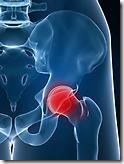
  • My $123 Hip Replacement

    By Dr. Dana Myatt


    I’m a better doctor now — and much more sympathetic — since I started having hip pain in March of 2014.

    It started subtly at first, a little stitch in my right hip that I noticed after my morning walk. "Probably just more walking than I’m used to," I’d tell myself.

    arthritic_hip_th Over the next several months, the pain became much worse. Sometimes it was in my hip, other times my low back. Sometimes it was both. Sometimes it would radiate to my knee and even my ankle and foot.

    At first, my beloved bromelain would help. When that stopped working, I tried my favorite NSAID, ibuprofen. Same thing — a little help, then nothing.

    By now, the pain was getting severe. Instead of dogging me only after walks, it would wake me up in the middle of the night. No amount of  changing positions seemed to help. The ache was deep and gnawing and interfered with my sleep.

    I used my IRest “TENS” unit, did back and hip exercises and stretching, took all the right supplements, thought good thoughts. Nothing seemed to make much difference.

    Deciding it was time to get help, I saw a naturopath who is one of the best spinal manipulators (kind of like chiropractic) I know. All naturpoaths are trained in spinal and visceral manipulation by the way.

    He manipulated me two times a week for a few weeks and sent me home with back exercises (which I had already started on my own). I did them. His manipulations and exercises helped a little, but not for very long. The nightime deep ache continued. Driving my car became torture.

    "Dr Nick" suggested I get a back and hip x-ray, which I agreed to. One of the signs of bone cancer or cancer that has metastasized to bone is a deep, unrelenting ache. I won’t say I feared for the worst (it’s not my style), but the pain had become so constant and relentless that the thought crossed my mind. So I wrote myself lab orders and had x-rays taken.

    The results were good news and bad news. The good news? No evidence of bone disease like cancer or osteoporosis. My hip joints were fine. I have a slight anatomical "difference" from side-to-side, but this is so common that it’s the rule, not the exception. Nothing Big Bad wrong to explain my pain, and that was good. But nothing seen to help me know how to cure it, and that was disappointing. Still, I was relieved that this brutal pain wasn’t a cancer – which can also gnaw deeply. "No news was good news," sort of.

    I all but stopped my daily walks since they only aggravated the condition. I found myself hobbling like some old people that I feel sorry for.

    Nurse Mark is a Genius

    I was lamenting my condition to Nurse Mark who has has worked everything from the emergency ward to hospice, with orthopedics in between. It was his orthopedic experience and his insistent genius that saved me.

    Nurse Mark told me the story of when he admitted a little old lady who was scheduled to have first one, and then probably the other hip replaced. Mrs. Rossi (we’ll call her that) had been very active, walking everywhere: To the store for each day’s groceries, to attend Mass, to visit friends and family. That was "had been," because for the past year she had been crippled with hip pain that nothing — not drugs, not physiotherapy, not massage — had helped. This once active and independent lady was now barely able to shuffle using a walker for support. New hips seemed the only solution.

    As Nurse Mark did her pre-operative assessment he noticed the shoes that Mrs. Rossi was wearing. He asked her if she was wearing those same shoes when she had seen her orthopedic surgeon, or when she had gone to her physiotherapy appointments. No she replied, looking at him as if he had two heads. Of course she would “dress up” to visit the physiotherapist and especially the doctor – these were her “everyday” shoes, not her “good” shoes.

    Nurse Mark called the orthopedic surgeon (we’ll call him “Dr. Frank”) to discuss Mrs. Rossi’s admitting orders. He artfully asked if Dr. Frank had ever seen Mrs. Rossi in her “everyday” shoes?

    Dr. Frank blustered that Mrs. Rossi’s shoes always looked fine to him, and “so what of it?” Nurse Mark explained that he was afraid if Mrs. Rossi were to walk on her “everyday” shoes post-operatively, she might undo all the fine work that Dr. Frank was about to put into her new hip.

    Dr. Frank sputtered and grumbled, but that evening when he made pre-operative rounds he ordered Mrs. Rossi to put on her walking shoes and walk for him. Nurse Mark says his face went pale. He ordered her surgery delayed and he asked her family bring in her “good” shoes. When he saw her walk in her “good” shoes, he demanded that she throw away the “everyday” shoes. The old woman complained that “they look fine – lots of wear left!” but the Dr. insisted and ordered the physiotherapist to fit her with a new pair of “everyday” walking shoes. That did the trick and she never did come back for “new hips.”

    As I listened to the story, I realized that I had increased my walking since taking up part-time residence in Phoenix. Most mornings I’d walk 3-4 miles on uneven desert ground. Still, my running/walking shoes looked fine. Good for another year at least.

    At Nurse Mark’s insistence (I was an easy sell at this point because I was desperate), I went to a local running store that does "gait analysis." They filmed the back of my feet as I walked on a treadmill, then showed me the pictures.

    Although my shoes look quite good by "eyeball," I was clearly lop-sided from the back while walking. Close inspection of my shoes (and it did take CLOSE inspection), showed an uneven wear pattern on the heels.

    I tried on about twelve pairs of shoes. They had me walk in each to see which felt the best. I finally found one pair that felt good on my feet and almost immediately, my hip felt better. I hoped against hope it wasn’t just a placebo effect that would wear off.

    Five Months Later…

    After nine months of suffering, I have been pain-free for five months. I still walk; in fact I’m "back in the saddle" with daily walks or bike rides. No pain. No limp. Nada.

    Those shoes cost me $123 which, for a simple pair of walkers, seemed a choke at first. In retrospect, it was one of the biggest health bargains of my life.

    Two Reports from the Field

    Yo, Joe! A friend of ours was limping when we saw his last month. He is obese, and said he "knew" his weight was the reason for his hip pain. It’s true that carrying excess weight puts a strain on joints, but we took a look at his shoes and advised him to get new ones. He did. I talked to him last week: his pain is gone and he no longer limps. Shoes: $158. Being pain-free: priceless.

    Stranger in the hardware store. I wanted a picture of a far-advanced example of shoe-wear to show you, but such pics are hard to come by on the internet. Make that "impossible" to come by. Had I known that replacing my own shoes would work miracles, I would have saved the old ones for a photo. Alas, I decided to toss them right away because, as Nurse Mark rightly pointed out, if I kept them I would probably wear them again as "beaters." So out they went.

    Bad ShoesOne day entering the hardware store I saw a man with a great example of a far-advanced case of shoe wear – he was literally falling off the sides of his shoes. I wanted a photo but didn’t quite know how to ask. (I’m so shy). The man cut in front of me for help, then apologized. I said I’d forgive him if I could have a picture of the back of his shoes. He looked befuddled but agreed. When he asked why we wanted them I showed him the pictures and explained about the back/hip pain.

    "Oh my Gosh!" he exclaimed. He bent over and pulled his pants down to show me his lower back. (It’s OK, I’m a doctor). He had a long scar from the older style of low back surgery. I recognized it immediately.

    "But," he explained, "I’m still in a lot of pain. I take pain-killers every day."

    "I’d get a new pair of shoes," I recommended with full confidence.

    "I have a new pair already, and now that I think of it, my back does feel better when I wear them. I just don’t wear them very often because they’re new and they were expensive and I was saving them for special occasions. And besides, these shoes look just fine from the top! I’m going to go home and throw these away and start wearing the new ones. Thank you so much. This was my lucky day to meet you like this!"

    I haven’t heard from the fellow but I have a high confidence level that he is feeling much better. Now I’m left to wonder: how many people have gotten hip or knee replacement surgery when what they really needed was a pair of new shoes?

  • A Good Sleep For… Strong Bones?

    By Nurse Mark


    Could bone health be improved in seniors by getting a better night’s sleep? If that better sleep involves melatonin the answer could be “Yes”!

    We have long praised the benefits of a good sleep in our HealthBeat News articles, and we have also warned of the dangers of achieving sleep with drugs – especially the newest crop of drugs known as “Z-drugs”, such as Ambien and Lunesta. Check out Sleeping Pills – It Just Gets Worse if you need to review.

    Our alternatives are improved sleep “hygiene”, and supplements like magnesium, Kavinace, Lavella, and of course melatonin. For more information and suggestions review our recent article Get a Good Night’s Sleep: Your Checklist

    Now according to recent research melatonin can not only help seniors get a good night’s sleep, it can also help to strengthen their bones too.

    Researchers from McGill University in Canada have just this month published a paper describing their work with melatonin and aging lab rats (really – I couldn’t make this stuff up!) where they found significant improvements in bone density and strength in the animals given supplements of melatonin.

    You can read the full McGill University news article here: Melatonin Makes Old Bones Stronger – but for those who want the punch line, this is what the article concludes:

    The researchers found that there was a significant increase in both bone volume and density among the rats that had received melatonin supplements. As a result, it took much more force to break the bones of rats that had taken the melatonin supplements, a finding that suggests to the researchers that melatonin may prove a useful tool in combating osteoporosis.


    Now, to be fair, this is not exactly “new” news – researchers have long been aware of the relationship between melatonin and the health of so-called “hard tissues” like bones and teeth. Here is what another, earlier research paper concluded:

    The above analyzed data indicate that melatonin may be involved in the development of the hard tissues bone and teeth. Decreased melatonin levels may be related to bone disease and abnormality. Due to its ability of regulating bone metabolism, enhancing bone formation, promoting osseointegration of dental plant and cell and tissue protection, melatonin may used as a novel mode of therapy for augmenting bone mass in bone diseases characterized by low bone mass and increased fragility, bone defect/fracture repair and dental implant surgery.

    Reference: Jie Liu, Fang Huang, and Hong-Wen He. Melatonin Effects on Hard Tissues: Bone and Tooth. Int J Mol Sci. May 2013; 14(5): 10063–10074.
    Published online May 10, 2013. doi:  10.3390/ijms140510063

    Indeed, a quick search of PubMed using the terms “melatonin” and ‘bone” returns hundreds of articles discussing the positive effects of melatonin on bone and dental health.

    So, do you really need more reasons to supplement your melatonin and get a good night sleep?


    Learn more about:

    Melatonin

    Magnesium

    Kavinace

    Lavella

  • Are You Missing This Important Mineral?

    By Nurse Mark


    Magnesium.


    You know the stuff; that really lightweight metal that you had fun with in high school chemistry class. There was always the class clown who would put a match to a piece of it, and it would burn with an incredibly bright, white light. Invariably, someone would panic and try to douse the flame with water – which would only make it burn more ferociously…

    Magnesium is one of the most common minerals on our planet Earth – the fourth most common element in fact after iron, oxygen and silicon.

    Yet many people are deficient in this important, precious (for health) mineral.

    How can this be?


    Our ancestors rarely suffered from magnesium deficiencies – they got plenty in their diets. That is unfortunately not the case today.

    Can you say “monoculture“?


    Modern, “industrial” agriculture methods have depleted our topsoil of this and many other minerals, leaving our crops and thus our diets deficient. Even the USDA admits that less than a third of Americans don’t get even the minimal USDA recommended dietary allowance (RDA) of 240 to 420 millgrams per day.

    Why is magnesium so important to our health?


    Magnesium is involved in energy processes, nerve function, enzyme activation, and protein formation.

    Magnesium is essential to the basic chemistry of life – nucleic acid. Over 300 enzymes require magnesium to function, including all enzymes that utilize or synthesizing ATP (adenosine triphosphate – the most basic energy source for our cells), and enzymes used to synthesize DNA and RNA. ATP is found in cells in the form of ATP and a magnesium ion bound together in a chelate.

    So what – if I’m a little low?


    Since magnesium is important to so many vital physical processes in our bodies it’s easy to see how a deficiency can have so many, wide ranging, and serious effects.

    Magnesium deficiency is associated with:

    fatigue glaucoma depression
    high blood pressure diabetes hearing loss
    fibromyalgia kidney stones osteoporosis
    asthma gallbladder stones cancer
    stroke migraine insomnia
    heart disease (arrhythmia, CHF, angina, acute MI) pregnancy complications (toxemia, premature delivery) premenstrual syndrome
     

    And that’s just the tip of the iceberg.


    Without magnesium our bones cannot utilize calcium properly, leading to osteoporosis. This also why a magnesium deficiency can lead to kidney and gall stone formation and can result in vascular calcification (AKA “hardening of the arteries”).

    Magnesium is Mother Nature’s “calcium channel blocker.” Calcium Channel Blockers are drugs used to control high blood pressure. The drugs have a multitude of nasty side effects. Magnesium doesn’t, and it lowers high blood pressure very nicely.

    Magnesium is a “calming” mineral. It reduces muscle cramps and spasms and is used in emergency medicine to treat life-threatening heart arrhythmias.

    Magnesium deficiencies are associated with metabolic syndrome and Type II Diabetes.

    Small doses of magnesium were found to be as effective as drugs in treating depressed elderly Type II Diabetics, and has been speculated to be useful in the treatment of other depression as well.

    But what if I take too much?


    Like anything, it is possible to get too much magnesium. Difficult, but possible. Excess magnesium in the blood is quickly and effectively filtered out by the kidneys, so it’s hard to overdose on magnesium from dietary sources alone.

    Overdose is possible with misuse of supplements, particularly in people with poor renal function and occasionally people using high doses of magnesium salts as a cathartic can get themselves into trouble, causing hypermagnesemia even if they don’t have renal dysfunction – they just overwhelm their kidneys ability to cope with the overload.

    For most people however, excess magnesium in the system is going to be quickly eliminated in the urine.

    Where can I get some?


    Diet is the best way to get your magnesium. Unfortunately, as we discussed earlier, our soils are depleted and our crops are lacking. Green leafy vegetables, such as spinach, legumes, nuts, seeds, and whole grains, are good sources of magnesium.

    Like almonds? They provide up to 20% of the RDA of magnesium (80mg) per one ounce serving. Spinach runs a close second, providing 78mg per half cup. Cashews are number 3 with 74mg per one ounce serving – who knew that eating healthy could be so great!

    But remember, the RDA is 240 to 420 millgrams per day – and you really should be getting twice that much for optimal health!

    Supplementation provides a more certain source for magnesium.


    Multiple vitamin / mineral formulas should ideally contain goodly amounts of magnesium. For example, Dr. Myatt’s Maxi Multi provides 500mg per day. For those who need more, Magnesium Glycinate is available in 100mg capsules to allow optimal fine-tuning of daily intake. And for those who are concerned with osteoporosis and bone health, CalMag Amino contains 200mg of magnesium in the optimal ratio with calcium along with several other essential bone health nutrients including Vitamin D, boron, and Vitamin K.

    Ever get a charley-horse or other muscle cramps?


    Magnesium absorbs quickly through the skin and relieves muscle cramps fast. Try massaging in a few sprays of Magnesium Oil – Dr. Myatt uses this herself for muscle cramps after exercise and she swears by it. It’s not really oil – it is a very thick brine (like a salt solution) that feels oily going on but absorbs in to the skin quickly. It doesn’t stain like oil, but it does sometimes leave a light powdery residue on the skin that is easily wiped or washed away. This stuff is like a “miracle cure” for kids who are prone to night-time muscle cramps, “growing pains,” and charley-horses!


    Magnesium – who knew that “science class” stuff would turn out to be so important!


    References:

    National Institutes for Health Office of Dietary Supplements Fact Sheet on Magnesium: http://ods.od.nih.gov/factsheets/Magnesium-HealthProfessional/ – includes numerous additional references.

    Eby Ga, 3rd; Eby, KL (2010). “Magnesium for treatment-resistant depression: a review and hypothesis”. Medical hypotheses 74 (4): 649–660.

    Barragán-Rodríguez, L; Rodríguez-Morán, M; Guerrero-Romero, F (2008). “Efficacy and safety of oral magnesium supplementation in the treatment of depression in the elderly with type 2 diabetes: a randomized, equivalent trial”. Magnesium research : official organ of the International Society for the Development of Research on Magnesium 21 (4): 218–23.

    Jee SH, Miller ER III, Guallar E et al. (2002). “The effect of magnesium supplementation on blood pressure: a meta-analysis of randomized clinical trials”. Am J Hypertens 15 (8): 691–696.

    Guerrero-Romero F, Rodriguez-Moran M (2002). “Low serum magnesium levels and metabolic syndrome”. Acta Diabetol 39 (4): 209–213.

    Zipes DP, Camm AJ, Borggrefe M et al. (2012). “ACC/AHA/ESC 2006 Guidelines for Management of Patients With Ventricular Arrhythmias and the Prevention of Sudden Cardiac Death: a report of the American College of Cardiology/American Heart Association Task Force and the European Society of Cardiology Committee for Practice Guidelines (writing committee to develop Guidelines for Management of Patients With Ventricular Arrhythmias and the Prevention of Sudden Cardiac Death): developed in collaboration with the European Heart Rhythm Association and the Heart Rhythm Society”. Circulation 114 (10): e385–e484.

    James MF (2010). “Magnesium in obstetrics”. Best Pract Res Clin Obstet Gynaecol 24 (3): 327–337.

    Hashimoto T, Hara A, Ohkubo T et al. (2010). “Serum magnesium, ambulatory blood pressure, and carotid artery alteration: the Ohasama study”. Am J Hypertens 23 (12): 1292–1298.

    Massy ZA, Drüeke TB (2012). “Magnesium and outcomes in patients with chronic kidney disease: focus on vascular calcification, atherosclerosis, and survival”. Clin Kidney J 5 (Suppl 1): i52–i61.

    Turgut F, Kanbay M, Metin MR et al. (2008). “Magnesium supplementation helps to improve carotid intima media thickness in patients on hemodialysis”. Int Urol Nephrol 40 (4): 1075–1082.

    “Lack Energy? Maybe It’s Your Magnesium Level”. United States Department of Agriculture.

    Euser, A. G.; Cipolla, M. J. (2009). “Magnesium Sulfate for the Treatment of Eclampsia: A Brief Review”. Stroke 40 (4): 1169–1175.

  • Calcium Supplements – The Truth

    By Nurse Mark

    A halftruth is a whole lie. Yiddish Proverb


    There you go again– President Ronald Reagan


    • Taking Calcium May Pose Heart Risks – NYTimes
    • Calcium Supplement Linked to Higher Heart Attack Risk – Yahoo health news
    • Calcium supplements may raise heart attack risk – USA TODAY
    • Panel to postmenopausal women: Don’t take vitamin D, calcium – USA TODAY
    • Calcium supplements ‘double risk of heart attack’, study finds – The Guardian

    What do all these headlines have in common?


    They are all using a half-truth to create a sensational but misleading headline.


    Is there any wonder that we have been rushed off our feet with near-frantic emails and phone calls from patients and customers who are being led to believe that they are being poisoned by this essential mineral?

    It never ceases to amaze us here when we see the lows to which Big Pharma will stoop to in order to protect their patent medicine monopoly and profits.

    “Don’t take that natural, essential nutrient to protect your bones. Oh no, no, no! Take our patented bone-killing bisphosphonate drug instead!” (We’ve written about the dangers of these drugs before – see: The Ugly Truth About “Bone-Building” Drugs for Osteoporosis )

    My take on all this? It’s a bunch of B.S. (Oh, for goodness sake! That stands for Bad Science – not what  you were thinking!)

    And I’m not alone: other well-known authorities who have spoken out recently about this include Dr. Alan Gaby, writing in The Townsend Newsletter, and even the Great and Powerful Dr. Oz. All agree that the studies are flawed and the reporting is incomplete, and that calcium without magnesium is worse than useless.

    OK – so what’s really going on here?

    Well, what’s happening, (besides that these studies that have some serious flaws in them) is that they have studied calcium by itself as a supplement. They seem to have forgotten that calcium must be taken with magnesium in order to be safe and effective.

    Without proper amounts of magnesium, calcium cannot be assimilated properly and may even build up and become toxic. Magnesium ensures the proper assimilation of calcium and of vitamin D as well.

    This is so important that Dr. Myatt has never recommended the use of calcium without magnesium and Her Maxi Multi optimal dose multivitamin provides 1000mg of calcium and 500mg of magnesium per day.

    For those who need more calcium she recommends CalMag Amino which provides an additional 1500mg calcium and 600mg magnesium daily.

    Finally, because Dr. Myatt knows that magnesium deficiency is so common among Americans, she also recommends Magnesium Glycinate to provide additional amounts of this essential mineral.

    Also left unexamined in these sensation-mongering reports is the vital role that Vitamin K2 plays in the utilization of calcium and Vitamin D by our bodies.

    Vitamin K2 is needed for the body to to bind calcium into the matrix of bone. It also prevents the calcification of coronary and arterial plaque and without sufficient Vitamin K2, excessive calcium and vitamin D may actually encourage heart disease. Neither the studies nor these breathless, fear-inducing “news articles” bothered to look at this relationship and the fact that many Americans are quite deficient in Vitamin K2 as a result of the miserable Standard American Diet. A study in 2004 called The Rotterdam Study found that people with higher intake of vitamin K2 had 57% less risk of dying from cardiovascular disease.

    The Bottom Line?

    There is no need to fear your calcium supplements as long as you are balancing calcium with magnesium and ensuring that you are getting good amounts of vitamin K2 from diet or supplementation.


    References and additional reading:

    Dr. Alan Gaby: Do Calcium Supplements Cause Cardiovascular Disease? http://www.townsendletter.com/Jan2011/gabyed0111.html

    Dr. Oz: “Studies on calcium dangers unproven” http://www.postandcourier.com/article/20100817/ARCHIVES/308179926

    Li K, Kaaks R, Linseisen J, Rohrmann S. Associations of dietary calcium intake and calcium supplementation with myocardial infarction and stroke risk and overall cardiovascular mortality in the Heidelberg cohort of the European Prospective Investigation into Cancer and Nutrition study (EPIC-Heidelberg). Heart. 2012 Jun;98(12):920-5. doi: 10.1136/heartjnl-2011-301345.

    Geleijnse JM, Vermeer C, Grobbee DE, Schurgers LJ, Knapen MH, van der Meer IM, Hofman A, Witteman JC. Dietary intake of menaquinone is associated with a reduced risk of coronary heart disease: the Rotterdam Study. J Nutr. 2004 Nov;134(11):3100-5.

    OSTEOPOROSIS – Prevent or Reverse the “Bone Thinning Disease” by Dr. Myatt

    Calcium Supplementation Without a Proper Balance of Magnesium Can Increase Risk of Heart Attack, Osteoporosis and Kidney Stones http://www.reuters.com/article/2011/09/14/idUS164282+14-Sep-2011+PRN20110914