Author: Wellness Club

  • Vitamin K – A Longevity Vitamin

    By Nurse Mark


    Vitamin K is well known for its role in blood clotting. So much so that otherwise well-meaning but under-informed doctors sometimes warn their patients away from Vitamin K and from foods containing Vitamin K out of fear that it might somehow make them have blood clots. Those are invariably the doctors who are also quick to prescribe Coumadin (AKA “Warfarin” – the rat poison) at the least hint of a DVT (Deep Vein Thrombosis) or atrial fibrillation.

    But did you know that Vitamin K – “the clotting vitamin’ – can also help you to live longer, have stronger bones, and have less risk of  “hardening of the arteries” (arterial calcification) as you age? Not only that, there are studies that show Vitamin K improves insulin sensitivity in both healthy subjects and in those with Type II Diabetes and that Vitamin K has a powerful cancer-preventative effect!

    Here are some quick facts about Vitamin K:

    Discovered in 1935 it is actually two related substances: Vitamin K1 (phylloquinone) is the main form of the vitamin that we get from diet. Vitamin K2 (menaquinone-7 and menaquinone-4) is obtained in lesser amounts from diet and is mostly a product of our bodies conversion of Vitamin K1 to Vitamin K2. It is becoming clear to researchers that each of these forms of Vitamin K is vital to our health, and that each form has very different actions.

    How important is Vitamin K?

    In one study published in 2014, in a group of more than 7,000 people at high risk for cardiovascular disease, the people with the highest intake of vitamin K were 36 percent less likely to die from any cause at all, compared with those having the lowest intake. (1)

    In another study, researchers found that people with the highest intake of vitamin K2 were 57 percent less likely to die of coronary heart disease compared with those with the lowest intake (2) showing the importance of both forms of Vitamin K.

    In yet another study, women with the highest intake of vitamin K2 were found to be at a 20 percent lower risk for coronary artery calcification (hardening of the arteries)  than women with the lowest intake. Interestingly, that same study found that vitamin K1 had no significant impact – once again showing the importance of obtaining both forms of Vitamin K. (3)

    Vitamin K has been recognized by the European Food Safety Authority (Europe’s version of our FDA) as being important to bone, heart and blood vessel health. (4)

    Along with its proven effect at lessening arterial calcification, Vitamin K has been shown in study after study to reduce osteoporosis and bone loss, and to increase bone density (and thus strength) in the spine and in hip bones – two places where osteoporosis is most likely to hit aging people, especially aging women, the hardest.  (5, 6, 7, 8)

    Diabetes is a condition that is often characterized by high levels of body-wide inflammation. In addition to being at lower risk for fractures related to osteoporosis, diabetics with the highest Vitamin K1 intakes show reduced inflammatory markers related to diabetes. (9) Additional studies related to diabetes have shown increased insulin sensitivity and improved blood glucose control even in non-diabetic, healthy people and even a reduced risk of ever developing Type II diabetes! (10, 11, 12, 13, 14)

    Cancer is a threat to anyone, young or old – but as we age we run an ever-increasing risk of developing some form of this dread disease. Can Vitamin K come to the rescue? While it is not a “silver bullet” against cancer, Vitamin K was shown in a large European study to slash the risk of death from cancer by a whopping 28 percent for those taking the higher amounts of Vitamin K versus people taking the lowest amounts. (15)

    Men, Vitamin K is for you too: A related European study found an amazing 63 percent lower risk of advanced prostate cancer in men taking higher doses of Vitamin K2. (16)

    Colon cancer may prove to be vulnerable to the health-giving effects of Vitamin K: a study that placed human colon cancer cells into laboratory mice found that Vitamin K induced apoptosis (cell death) and suppressed the growth of the implanted tumors. (17, 18)

    And liver cancer, often a tragic result of AIDS or alcoholism or an infection with the hepatitis B or C virus, can be helped: several human studies have shown that supplementation with Vitamin K after the surgical removal of the hepatocellular carcinoma cancer lesion reduces the recurrence and improves survival in those stricken with this aggressive and deadly cancer. (19, 20)

    But is it safe? In a word, YES.

    Even for people using blood thinners, Vitamin K supplementation is safe.

    The blood thinner warfarin (Coumadin) actually works by suppressing the normal, healthy effects of Vitamin D, and recent studies are proving that those using this antiquated “blood thinner” are actually at increased risk for developing arterial calcification – actually putting them at increased risk of having the very cardiac or cardiovascular disasters that the drugs were meant to prevent! (21, 22)

    The effects of more modern blood thinners  like Pradaxa (dabigatran) and Eliquis (apixaban) are not affected by vitamin K intake and so it is safe and appropriate to take full-dose vitamin K without worry of counteracting the desired anticoagulant effects of the drugs.

    In any event – DO NOT stop taking any anticoagulant drug without talking with your doctor first!

    You can find a very high quality Vitamin K supplement that provides both the Vitamin K1 and Vitamin K2 (Vitamin K2 in both the longer-acting menaquinone-7 and more immediate-acting menaquinone-4 sub-types. Yes, that is very important!) at Dr. Myatt’s Wellness Club. Dr. Myatt recommends one softgel capsule daily of Super K, or as directed by your health care practitioner.

    For any of us, and especially those of us who are getting a little older and concerned with atherosclerosis, osteoporosis, diabetes, and cancer, Vitamin K is a great way to help address and minimize many of the leading causes of death facing us in today’s modern American.


    Find Dr. Myatt’s recommended Vitamin K supplement here:


    References:

    1.)    Juanola-Falgarona M, Salas-Salvado J, Martinez-Gonzalez MA, et al. Dietary Intake of Vitamin K Is Inversely Associated with Mortality Risk. J Nutr. 2014 May;144(5):743-50.
    2.)    Geleijnse JM, Vermeer C, Grobbee DE, et al. Dietary intake of menaquinone is associated with a reduced risk of coronary heart disease: the Rotterdam Study. J Nutr. 2004 Nov;134(11):3100-5.
    3.)    Beulens JW, Bots ML, Atsma F, et al. High dietary menaquinone intake is associated with reduced coronary calcification. Atherosclerosis. 2009 Apr;203(2):489-93.
    4.)   
    http://www.efsa.europa.eu/en/efsajournal/pub/1228
    5.)    Braam LA, Knapen MH, Geusens P, et al. Vitamin K1 supplementation retards bone loss in postmenopausal women between 50 and 60 years of age. Calcif Tissue Int. 2003 Jul;73(1):21-6.
    6.)    Purwosunu Y, Muharram, Rachman IA, Reksoprodjo S, Sekizawa A. Vitamin K2 treatment for postmenopausal osteoporosis in Indonesia. J Obstet Gynaecol Res. 2006 Apr;32(2):230-4.
    7.)    Knapen MH, Schurgers LJ, Vermeer C. Vitamin K2 supplementation improves hip bone geometry and bone strength indices in postmenopausal women. Osteoporos Int. 2007 Jul;18(7):963-72.
    8.)    Knapen MH, Drummen NE, Smit E, Vermeer C, Theuwissen E. Three-year low-dose menaquinone-7 supplementation helps decrease bone loss in healthy postmenopausal women. Osteoporos Int. 2013 Sep;24(9):2499-507.
    9.)    Juanola-Falgarona M, Salas-Salvado J, Estruch R, et al. Association between dietary phylloquinone intake and peripheral metabolic risk markers related to insulin resistance and diabetes in elderly subjects at high cardiovascular risk. Cardiovasc Diabetol. 2013;12:7.
    10.) Yoshida M, Booth SL, Meigs JB, Saltzman E, Jacques PF. Phylloquinone intake, insulin sensitivity, and glycemic status in men and women. Am J Clin Nutr. 2008 Jul;88(1):210-5.
    11.) Ibarrola-Jurado N, Salas-Salvado J, Martinez-Gonzalez MA, Bullo M. Dietary phylloquinone intake and risk of type 2 diabetes in elderly subjects at high risk of cardiovascular disease. Am J Clin Nutr. 2012 Nov;96(5):1113-8.
    12.) Yoshida M, Jacques PF, Meigs JB, et al. Effect of vitamin K supplementation on insulin resistance in older men and women. Diabetes Care. 2008 Nov;31(11):2092-6.
    13.) Choi HJ, Yu J, Choi H, et al. Vitamin K2 supplementation improves insulin sensitivity via osteocalcin metabolism: a placebo-controlled trial. Diabetes Care. 2011 Sep;34(9):e147.
    14.) Beulens JW, van der AD, Grobbee DE, Sluijs I, Spijkerman AM, van der Schouw YT. Dietary phylloquinone and menaquinones intakes and risk of type 2 diabetes. Diabetes Care. 2010 Aug;33(8):1699-705.
    15.) Nimptsch K, Rohrmann S, Kaaks R, Linseisen J. Dietary vitamin K intake in relation to cancer incidence and mortality: results from the Heidelberg cohort of the European Prospective Investigation into Cancer and Nutrition (EPIC-Heidelberg). Am J Clin Nutr. 2010 May;91(5):1348-58.
    16.) Nimptsch K, Rohrmann S, Linseisen J. Dietary intake of vitamin K and risk of prostate cancer in the Heidelberg cohort of the European Prospective Investigation into Cancer and Nutrition (EPIC-Heidelberg). Am J Clin Nutr. 2008 Apr;87(4):985-92.
    17.) Ogawa M, Nakai S, Deguchi A, et al. Vitamins K2, K3 and K5 exert antitumor effects on established colorectal cancer in mice by inducing apoptotic death of tumor cells. Int J Oncol. 2007 Aug;31(2):323-31.
    18.) Kawakita H, Tsuchida A, Miyazawa K, et al. Growth inhibitory effects of vitamin K2 on colon cancer cell lines via different types of cell death including autophagy and apoptosis. Int J Mol Med. 2009 Jun;23(6):709-16.
    19.) Kakizaki S, Sohara N, Sato K, et al. Preventive effects of vitamin K on recurrent disease in patients with hepatocellular carcinoma arising from hepatitis C viral infection. J Gastroenterol Hepatol. 2007 Apr;22(4):518-22.
    20.) Mizuta T, Ozaki I, Eguchi Y, et al. The effect of menatetrenone, a vitamin K2 analog, on disease recurrence and survival in patients with hepatocellular carcinoma after curative treatment: a pilot study. Cancer. 2006 Feb 15;106(4):867-72.
    21.) Price PA, Faus SA, Williamson MK. Warfarin causes rapid calcification of the elastic lamellae in rat arteries and heart valves. Arterioscler Thromb Vasc Biol. 1998 Sep;18(9):1400-7.
    22.) McCabe KM, Booth SL, Fu X, et al. Dietary vitamin K and therapeutic warfarin alter the susceptibility to vascular calcification in experimental chronic kidney disease. Kidney Int. 2013 May;83(5):835-44.

  • Winter Immune-Boosting: Beyond The Basics

    Winter is just around the corner and so is cold and flu season. Kids are back in school sharing colds, flu, and assorted cooties, then bringing them home to family. But it’s not just kids.

    The person you just shook hands with, that cougher next to you in the waiting room, the restaurant menu or salt shaker you just handled…

    It’s a harsh world out there and unless you lock yourself away for the winter (is that really possible?), it’s time to ramp up your immunity and fend off the cooties in order to protect yourself from the onslaught of seasonal viruses.

    Here’s what I recommend:

    First things First: “The Basics.”

    1.) A Daily Multiple Vitamin. Deficiency of even one single vitamin, mineral or trace mineral can leave chinks in your "immune armor." The best way to prevent this is to take an optimal dose daily "multi" like my Maxi Multi. If you’re not taking Maxi Multi, be sure that whatever formula you take provides optimal doses of vitamins, minerals and trace minerals. Compare labels. Take the full recommended amount, every day. Here’s a link to recommended optimal doses.

    Optimal doses mean that you’ll be taking at least 6 caps per day to get everything your body needs. Studies show that "one-a-days" are worthless for boosting immunity. “Pixie dust” doses of nutrients — one or two caps per day multiples — don’t do anything except prevent the most severe deficiency diseases like scurvy. They won’t help keep your immune system beefed up during cold and flu season. Please see The Myth Of The One-A-Day Multiple Vitamin

    2.) Fish Oil. (Essential Fatty Acids EPA & DHA). Remember the old-timey daily dose of cod liver oil that Mom insisted on? (Some of you are way too young to recall this). It tasted pretty bad but Mom was on the right track, it was good for you. Cod liver oil contains the essential fatty acids DHA and studies show that it enhances B cell activity (a type of white blood cell).

    Too little essential fatty acids in the diet causes excess inflammation and is related to a number (about 60) diseases. That, plus immunity is enhanced when EFA levels are increased.

    Maxi Marine provides 400mg EPA and 300mg DHA in a softgel capsule. No fishy taste, no fishy burps.

    Those are the basics you should be taking all year long to keep yourself healthy, prevent disease and keep your immune system strong. If you’re not taking the basics, the “add-ons” don’t make much sense. Our "Maxi Health Bundle" is a great value for these getting these important “basics.”

    After you’ve got your “basic bases” covered, there’s more you can do to boost your immunity.

    Here are the Immune-Boosting additions I recommend.

    1.) Dr. Myatt’s Immune System Support. This formula contains the best-proven immune enhancing herbs known: Astragalus, Ligustrum, Echinacea, a full spectrum of Medicinal Mushrooms and additional immune supporting nutrients. This is one of the most potent formulas for ramping up your immune system for the season.

    2.) Vitamin D Winter in North America means colder weather, less sunshine and less Vitamin D. Low vitamin D levels are associated with higher risk of heart disease, cancer, autoimmune disease and all-cause mortality!

    Relative to immune function, higher rates of upper respiratory tract infections, influenza and tuberculosis are seen in those who are vitamin D deficient. Hint: even folks who live here in Phoenix AZ are testing low in vitamin D. Deficiencies are widespread. (24,30,38)

    Vitamin D is so important that we’ve written an entire white paper on the subject. You can get your free copy of this here: Vitamin D Special Report

    OK, so you’ve done a good job in strengthening your immune system with a quality daily multiple like Maxi Multi, Essential Fatty Acids from a fish oil supplement like Maxi Marine, added immune enhancing herbs and vitamin D. Great! But what about that menu you just handled? The door knob you just touched? (the one that a 284 other people recently touched) Do you suppose there might have been a bacteria or virus or two on that maybe?

    Handwashing – frequent handwashing –after every time you touch something you are not sure of is the best defense. But is that really practical? But that’s why you carry a little bottle of hand sanitizer, right? Hand sanitizer ISN’T good protection – it’s not “persistent.” Hand sanitizers clean and protect only for the instant they are used – the antibacterial effect doesn’t last or “persist” beyond that moment. The next time you touch something with cooties, you’ve re-contaminated yourself.

    But wait – I said “most” are not persistent. There is one common hand sanitizer that is persistent. It contains triclosan, a pesticide. As much as I want to keep my hands clean, I’m not willing to use a toxic chemical to do so. But hey, that’s just me.

    There is another non-toxic, persistent antimicrobial. It is so safe, it is used medically to treat wound and burns (skin as sensitive as it gets). The magic elixir? Silver Gel. Carry a tube in your pocket or purse and use it as you would any toxic hand sanitizer, with the comfort of knowing that the antimicrobial effects last long after the you apply it. Learn more about Silver Gel here:

    Finally, if after all your protective measures, you still start to “feel something,” pull out a Super Hero: Selenium. It’s our secret weapon cold and flu buster.

    Nothing works all the time, not even medical “first sign of the flu” shots. But for us and our patients, it works far more often than not.

    At the first hint of prodromal (earliest, faintest) symptoms, take 5 capsules of selenium 200 mcg. You can repeat the dose for several days if needed. This is higher than a recommended daily supplement dose but don’t worry, you won’t overdose at this level when taken for just a few days.

    Do you have all these on hand? Immune Support, Vitamin D, Silver Gel hand sanitizer, and Selenium? Get them now. How can you take selenium “at the first sign of something” if you don’t have any in the house? As for the “preventives,” it’s best to get an early start on the season. I personally started my “immune ramp up” the beginning of October.

    ImmuneBundleTo encourage you to DO THIS, we’re offering you an “Immune kit” at an unprecedented 20% off, good for the next two weeks only. (Because I want you to get with the program and avoid potential seasonal suffering).

    Purchased separately, these supplements would cost $64, but for the next 2 weeks only, a package of the 4 essential “anti-ick” supplements – Dr. Myatt’s immune support, Vitamin D 5000, Silver Gel hand Sanitizer, and last resort Selenium – for only $51. That’s over 20% off the kit of 4 “no flu for you” items and a great way to be prepared for cold and flu season. Each package is a one month supply for one person, so order accordingly. Sale ends November 15th.

    This special offer is available ONLY to our HealthBeat News readers – you won’t find it listed on our website, and it absolutely ends in two weeks. Grab it now so I won’t hear you singin’ the blues about having a cold, or the flu, or bronchitis, or pneumonia…

    Click here to order your Immune Kits:


    REFERENCES

    1.) Autier P, Gandini S. Vitamin D supplementation and total mortality. Arch Intern Med. 2007;167(16):1730-1737.
    2.) Thomas L. Lenz. Vitamin D Supplementation and Cancer Prevention. Am J Lifestyle Med. 2009;3(5):365-368.
    3.) Pilz S, Dobnig H, Nijpels G, Heine RJ, Stehouwer CD, Snijder MB, van Dam RM, Dekker JM. Vitamin D and mortality in older men and women. Clin Endocrinol (Oxf). 2009 Nov;71(5):666-72. Epub 2009 Feb 18.
    4.) Ginde AA, Scragg R, Schwartz RS, Camargo CA Jr. Prospective study of serum 25-hydroxyVitamin D level, cardiovascular disease mortality, and all-cause mortality in older U.S. adults. J Am Geriatr Soc. 2009 Sep;57(9):1595-603. Epub 2009 Jun 22.
    5.) Melamed ML, Michos ED, Post W, Astor B.25-hydroxyVitamin D levels and the risk of mortality in the general population. Arch Intern Med. 2008 Aug 11;168(15):1629-37.
    6.) Ginde AA, Mansbach JM, Camargo CA Jr. Association between serum 25-hydroxyVitamin D level and upper respiratory tract infection in the Third National Health and Nutrition Examination Survey. Arch Intern Med. 2009 Feb 23;169(4):384-90.
    7.) Eric A. Gurzell, Heather Teague, Mitchel Harris, Jonathan Clinthorne, Saame Raza Shaikh, and Jenifer I. Fenton. DHA-enriched fish oil targets B cell lipid microdomains and enhances in vivo and ex vivo B cell function. J Leukoc Biol April 2013 93:463-470
    8.) Clement-Kruzel S, Hwang SA, Kruzel MC, Dasgupta A, Actor JK. Immune modulation of macrophage pro-inflammatory response by goldenseal and Astragalus extracts. J Med Food. 2008 Sep;11(3):493-8.
    9.) Schoop R, Klein P, Suter A, Johnston SL.Echinacea in the prevention of induced rhinovirus colds: a meta-analysis. Clin Ther. 2006 Feb;28(2):174-83.
    10.) Giles JT, Palat CT 3rd, Chien SH, Chang ZG, Kennedy DT. Evaluation of echinacea for treatment of the common cold. Pharmacotherapy. 2000 Jun;20(6):690-7.
    11.) Abdullah T.A strategic call to utilize Echinacea-garlic in flu-cold seasons.J Natl Med Assoc. 2000 Jan;92(1):48-51.
    12.) See DM, Broumand N, Sahl L, Tilles JG. In vitro effects of echinacea and ginseng on natural killer and antibody-dependent cell cytotoxicity in healthy subjects and chronic fatigue syndrome or acquired immunodeficiency syndrome patients. Immunpharmacol 1997;35:229–35.
    13.) Leuttig B, Steinmuller C, Gifford GE, et al. Macrophage activation by the polysaccharide arabinogalactan isolated from plant cell cultures of Echinacea purpurea. J Natl Cancer Inst 1989;81:669–75.
    14.) Melchart D, Linde K, Worku F, et al. Immunomodulation with Echinacea—a systematic review of controlled clinical trials. Phytomedicine 1994;1:245–54.
    15.) Dorn M, Knick E, Lewith G. Placebo-controlled, double-blind study of Echinacea pallida redix in upper respiratory tract infections. Comp Ther Med 1997;5:40–2.
    16.) Hoheisel O, Sandberg M, Bertram S, et al. Echinacea shortens the course of the common cold: a double-blind, placebo-controlled clinical trial. Eur J Clin Res 1997;9:261–8.
    17.) Braunig B, Dorn M, Knick E. Echinacea purpurea root for strengthening the immune response to flu-like infections. Zeitschrift Phytotherapie 1992;13:7–13.
    18.) Brikenborn RM, Shah DV, Degenring FH. Echinaforce® and other Echinacea fresh plant preparations in the treatment of the common cold. A randomized, placebo-controlled, double-blind clinical trial. Phytomedicine 1999;6:1–5.
    19.) Cho WC, Leung KN. In vitro and in vivo anti-tumor effects of Astragalus membranaceus. Cancer Lett. 2007 Jul 8;252(1):43-54. Epub 2007 Jan 16.
    20.) Cho WC, Leung KN. In vitro and in vivo immunomodulating and immunorestorative effects of Astragalus membranaceus. J Ethnopharmacol. 2007 Aug 15;113(1):132-41. Epub 2007 May 31.
    21.) Wang MS, Li J, Di HX, Li ZL, Yang SL, Hou W, Yan JY, Zhao XM. Clinical study on effect of Astragalus Injection and its immuno-regulation action in treating chronic aplastic anemia.Chin J Integr Med. 2007 Jun;13(2):98-102.
    22.) Xu HD, You CG, Zhang RL, Gao P, Wang ZR.Xu HD, You CG, Zhang RL, Gao P, Wang ZR. J Int Med Res. 2007 Jan-Feb;35(1):84-90.
    23.) Klepser T, Nisly N. Astragalus as an adjunctive therapy in immunocompromised patients. Alt Med Alert 1999;Nov:125–8 [review].
    24.) Qun L, Luo Q, Zhang ZY, et al. Effects of astragalus on IL-2/IL-2R system in patients with maintained hemodialysis. Clin Nephrol 1999;52:333–4 [letter].
    25.) Tang W, Eisenbrand G. Chinese Drugs of Plant Origin. Berlin: Springer Verlag, 1992, 1056.
    26.) Nanba H, Hamaguchi AM, Kuroda H. The chemical structure of an antitumor polysaccharide in fruit bodies of Grifola frondosa (maitake). Chem Pharm Bull 1987;35:1162–8.
    27.) Yamada Y, Nanba H, Kuroda H. Antitumor effect of orally administered extracts from fruit body of Grifola frondosa (maitake). Chemotherapy 1990;38:790–6.
    28.) Nanba H. Immunostimulant activity in vivo and anti-HIV activity in vitro of 3 branched b-1–6-glucans extracted from maitake mushrooms (Grifola frondosa). VIII International Conference on AIDS, Amsterdam, 1992 [abstract].
    29.) Shams-Ghahfarokhi M, Shokoohamiri MR, Amirrajab N, Moghadasi B, Ghajari A, Zeini F, Sadeghi G, Razzaghi-Abyaneh M. In vitro antifungal activities of Allium cepa, Allium sativum and ketoconazole against some pathogenic yeasts and dermatophytes. Fitoterapia. 2006 Jun;77(4):321-3. Epub 2006 May 11.
    30.) Tessema B, Mulu A, Kassu A, Yismaw G. An in vitro assessment of the antibacterial effect of garlic (Allium sativum) on bacterial isolates from wound infections. Ethiop Med J. 2006 Oct;44(4):385-9.
    31.) Pyun MS, Shin S.Antifungal effects of the volatile oils from Allium plants against Trichophyton species and synergism of the oils with ketoconazole. Phytomedicine. 2006 Jun;13(6):394-400. Epub 2005 Nov 2.
    32.) Bakri IM, Douglas CW.Inhibitory effect of garlic extract on oral bacteria. Arch Oral Biol. 2005 Jul;50(7):645-51. Epub 2005 Feb 5.
    33.) Bjarnsholt T, Jensen PØ, Rasmussen TB, Christophersen L, Calum H, Hentzer M, Hougen HP, Rygaard J, Moser C, Eberl L, Høiby N, Givskov M.Garlic blocks quorum sensing and promotes rapid clearing of pulmonary Pseudomonas aeruginosa infections. Microbiology. 2005 Dec;151(Pt 12):3873-80.
    34.) Dikasso D, Lemma H, Urga K, Debella A, Addis G, Tadele A, Yirsaw K. Investigation on the antibacterial properties of garlic (Allium sativum) on pneumonia causing bacteria. Ethiop Med J. 2002 Jul;40(3):241-9.
    35.) Josling P. Preventing the common cold with a garlic supplement: a double-blind, placebo-controlled survey.Adv Ther. 2001 Jul-Aug;18(4):189-93.
    35.) Kumar M, Berwal JS. Sensitivity of food pathogens to garlic (Allium sativum). J Appl Microbiol. 1998 Feb;84(2):213-5.
    37.) Gomaa NF, Hashish MH.The inhibitory effect of garlic (Allium sativum) on growth of some microorganisms. J Egypt Public Health Assoc. 2003;78(5-6):361-72.
    38.) Dankert J, Tromp TF, de Vries H, Klasen HJ. Antimicrobial activity of crude juices of Allium ascalonicum, Allium cepa and Allium sativum. Zentralbl Bakteriol [Orig A]. 1979 Oct;245(1-2):229-39.
    39.) Wintergerst ES, Maggini S, Hornig DH. Contribution of selected vitamins and trace elements to immune function. Ann Nutr Metab.2007;51(4):301-23. Epub 2007 Aug 28.
    40.) Wintergerst ES, Maggini S, Hornig DH. Contribution of selected vitamins and trace elements to immune function. Ann Nutr Metab. 2007;51(4):301-23. Epub 2007 Aug 28.
    41.) Romieu I. Nutrition and lung health. Int J Tuberc Lung Dis. 2005 Apr;9(4):362-74.
    42.) Mora JR, Iwata M, von Andrian UH. Vitamin effects on the immune system: vitamins A and D take centre stage. Nat Rev Immunol. 2008 Aug 8. [Epub ahead of print]
    43.) Molina EL, Patel JA. A to Z: vitamin A and zinc, the miracle duo.Indian J Pediatr. 1996 Jul-Aug;63(4):427-31.
    44.) Sasazuki S, Sasaki S, Tsubono Y, Okubo S, Hayashi M, Tsugane S.Effect of vitamin C on common cold: randomized controlled trial.Eur J Clin Nutr. 2006 Jan;60(1):9-17.
    45.) Van Straten M, Josling P. Preventing the common cold with a vitamin C supplement: a double-blind, placebo-controlled survey. Adv Ther. 2002 May-Jun;19(3):151-9.
    46.) Carr AB, Einstein R, Lai LY, Martin NG, Starmer GA. Vitamin C and the common cold: using identical twins as controls. Med J Aust. 1981 Oct 17;2(8):411-2.
    47.) Anderson TW, Beaton GH, Corey P, Spero L. Winter illness and vitamin C: the effect of relatively low doses. Can Med Assoc J. 1975 Apr 5;112(7):823-6.
    48.) Romieu I. Nutrition and lung health. Int J Tuberc Lung Dis. 2005 Apr;9(4):362-74.
    49.) Wintergerst ES, Maggini S, Hornig DH. Immune-enhancing role of vitamin C and zinc and effect on clinical conditions. Ann Nutr Metab. 2006;50(2):85-94. Epub 2005 Dec 21.
    50.) High KP. Nutritional strategies to boost immunity and prevent infection in elderly individuals. Clin Infect Dis. 2001 Dec 1;33(11):1892-900. Epub 2001 Oct 25.
    51.) Girodon F, Galan P, Monget AL, Boutron-Ruault MC, Brunet-Lecomte P, Preziosi P, Arnaud J, Manuguerra JC, Herchberg S. Impact of trace elements and vitamin supplementation on immunity and infections in institutionalized elderly patients: a randomized controlled trial. MIN. VIT. AOX. geriatric network. Arch Intern Med. 1999 Apr 12;159(7):748-54.
    52.) Romieu I. Nutrition and lung health. Int J Tuberc Lung Dis. 2005 Apr;9(4):362-74.
    53.) Pilz S, Dobnig H, Nijpels G, Heine RJ, Stehouwer CD, Snijder MB, van Dam RM, Dekker JM. Vitamin D and mortality in older men and women. Clin Endocrinol (Oxf). 2009 Nov;71(5):666-72. Epub 2009 Feb 18.
    54.) Ginde AA, Scragg R, Schwartz RS, Camargo CA Jr. Prospective study of serum 25-hydroxyVitamin D level, cardiovascular disease mortality, and all-cause mortality in older U.S. adults. J Am Geriatr Soc. 2009 Sep;57(9):1595-603. Epub 2009 Jun 22.
    55.) Annweiler C, Schott AM, Allali G, Bridenbaugh SA, Kressig RW, Allain P, Herrmann FR, Beauchet O. Association of Vitamin D deficiency with cognitive impairment in older women: cross-sectional study. Neurology. 2010 Jan 5;74(1):27-32. Epub 2009 Sep 30.
    56.) Galdiero S, Falanga A, Vitiello M, Cantisani M, Marra V, Galdiero M., Department of Experimental Medicine, II University of Naples, Via De Crecchio 7, 80138, Naples, Italy. sgaldier@unina.it, Silver nanoparticles as potential antiviral agents.Molecules. 2011 Oct 24;16(10):8894-918.
    57.) Jain J, Arora S, Rajwade JM, Omray P, Khandelwal S, Paknikar KM. Centre for Nanobioscience, Agharkar Research Institute, India. Silver nanoparticles in therapeutics: development of an antimicrobial gel formulation for topical use. Mol Pharm. 2009 Sep-Oct;6(5):1388-401.
    58.) Franco-Molina MA, Mendoza-Gamboa E, Sierra-Rivera CA, Gómez-Flores RA, Zapata-Benavides P, Castillo-Tello P, Alcocer-González JM, Miranda-Hernández DF, Tamez-Guerra RS, Rodríguez-Padilla C., Laboratorio de Inmunología y Virología, Departamento de Microbiología e Inmunología, Facultad de Ciencias Biológicas de la Universidad Autónoma de Nuevo León, San Nicolás de los Garza, N, L, México. Antitumor activity of colloidal silver on MCF-7 human breast cancer cells. J Exp Clin Cancer Res. 2010 Nov 16;29:148.
    59.)
    http://www.epa.gov/oppsrrd1/REDs/factsheets/triclosan_fs.htm
    60.) Robin E. Dodson, Marcia Nishioka, Laurel J. Standley, Laura J. Perovich, Julia Green Brody, and Ruthann A. Rudel, Endocrine Disruptors and Asthma-Associated Chemicals in Consumer Products, Environ Health Perspect. 2012 July; 120(7): 935–943. Published online 2012 March 8. http://www.ncbi.nlm.nih.gov/pmc/articles/PMC3404651/
    61) Steinbrenner H, Al-Quraishy S, Dkhil MA, Wunderlich F, Sies H. Dietary selenium in adjuvant therapy of viral and bacterial infections. Adv Nutr. 2015 Jan 15;6(1):73-82.
    62.) Beck MA. Selenium and vitamin E status: impact on viral pathogenicity. J Nutr. 2007 May;137(5):1338-40.
    63.) Levander OA, Beck MA. Selenium and viral virulence. Br Med Bull. 1999;55(3):528-33.
    64.) Beck MA, Levander OA, Handy J. Selenium deficiency and viral infection. J Nutr. 2003 May;133(5 Suppl 1):1463S-7S.

  • Separating Real Science From B.S. – The Dr. Myatt Way

    By Nurse Mark


    Of all the video presentations Dr. Myatt has made, her presentation on Magnesium Stearate is arguably one of the most popular.

    We have heard from countless customers and patients who are grateful to have the hype and B.S. (that’s Bad Science) cleared away for them.

    We have heard from supplement manufacturers who have told us that this video presentation is now required watching for their employees as a part of their continuing education because Dr. Myatt has made a complicated subject understandable, even for those without biochemistry degrees.

    And we hear from people who probably do have biochemistry degrees, who like to challenge us with all sorts of “have you seen this information that says you are wrong” questions.

    Here is a most recent question of the latter sort – this fellow thought that with this information he surely had us:

    Dear Dr. Myatt,
    I watched your youtube video regarding magnesium stearate. The only thing that wasn’t discussed is the absorption issue. Several studies show that mg stearate lowers the absorption of the supplement drastically.
    Here are some studies plus a video which shows an experiment showing the reduced absorption: http://www.ncbi.nlm.nih.gov/pubmed/3735097 , http://www.ncbi.nlm.nih.gov/pubmed/903855 , https://youtu.be/qP8i3_EfP7M
    This would make mg stearate not an ideal filling substance or do you see this differently?
    Best regards,
    Mark , The Netherlands


    Dr. Myatt answered Mark with the following information (we are quite familiar with all 3 of the “references” that he provided.):

    The two studies you cite are "in vitro," meaning in a test tube.

    Absorption will be much different in an actual human ("in vivo") since humans have hydrochloric acid and multiple enzymes to aid digestion and assimilation.

    Magnesium stearate is a naturally occurring component of many foods as I discuss in my video. No problems have been seen with decreased assimilation due to ingestion of magnesium stearate containing foods.

    If you find any studies that show decreased absorption in humans, I’d be most interested to see them. Until then, I do not have any data or studies or even a theoretical basis to suggest that "mg stearate lowers the absorption of the supplement drastically."


    Mark surprised us by emailing back his thanks:

    Thanks for the quick response.
    I think you are right about the in vitro studies. I haven’t seen in vivo studies yet claiming the same thing. So that’s cleared up for now then!
    Thanks again.
    Best regards, Mark


     A quick review:

    We do cover this in the Magnesium Stearate presentation, but it is worth covering again since the third “reference” Mark provided was a “chemistry experiment” offered by someone who should have known better. The doctor presenting this flawed “experiment” has obviously forgotten his anatomy and physiology from his schooling, but he has certainly not forgotten all about marketing. He shamelessly pushes his own brand of supplements at the end of the video, claiming them to be superior because they do not contain mg stearate.

    Here is what he forgot to mention in describing his “experiment.”

    Distilled vinegar as he used is actually quite a weak acid. Distilled vinegar also contains no other enzymes to aid in the breakdown of mg stearate. He also did not agitate or stir his “experiment” in any way – even though a human stomach is in constant mixing, stirring motion.

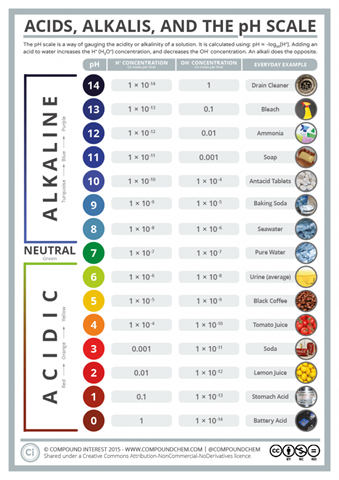
    pH is a bit of a tough concept – the pH “scale” is logarithmic meaning that for every one point on the scale there is a 10-fold increase or decrease from the next point. This means that the difference between, say, pH 2 and pH 3 is Huge – not minor, and the difference between the pH 1.5 of your stomach acid and the pH 2.4 of vinegar is likewise a Huge difference!

    The purest HCL (hydrochloric or ‘sulphuric’ acid) has a pH of 0 – it is as acid as anything can be.

    Battery acid, like in your car battery, has a pH of between 0 and 1.

    Human gastric acid, as produced by your stomach (if it is healthy) has a pH of around 1 to 1.5.

    Distilled vinegar has a pH of around 2.4 and cola has a pH around 2.5.

    Pure water has a pH of 7.0 and is considered ‘’neutral.’

    Your blood has a pH of 7.4 normally – and that is considered to be very slightly alkaline.AcidAlkaliScale

    How The B.S. happens:

    As you can see, it is easy to get B.S. started. Find a few “experiments” or in vitro (test-tube) studies, mix it all together to prove whatever you want to prove, and let the magic and viral power of the internet do the rest as one person quotes it to another, who quotes it to 10 more, who each then quote it to hundreds… suddenly B. S. has become “truth” since so many people have said it is so!

    Why would a doctor use a flawed experiment like this?

    It is what is known in marketing as a U.S.P. – a Unique Selling Proposition. It’s the thing that makes this product “special.”

    Why is this important?

    Let’s face it – when it comes to supplements, there is not much truly “new.” Vitamin C is Vitamin C, no matter how wonderful it’s flavor or packaging.

    In order to sell otherwise common vitamins and supplements, marketers need to somehow make their brand more “special” that all the others.

    Nano-particles, micronized, hyper-absorbable, energy-infused, and, yes, “free of the evil magnesium stearate.” All these claims are used in an attempt to set one otherwise fairly common product apart from all the others that are just like it.

    So, don’t fall for B.S. and grand claims. Be sure to actually verify references and make sure that references are relevant to human beings, not just test tubes.

    And please be sure to refresh your memory regarding the B.S. surrounding the Magnesium Stearate “controversy”:

  • Breast Cancer Month: My Thoughts

    By Dr. Dana Myatt


    In recognition of Breast Cancer Awareness Month, I offer the latest medical updates on breast cancer prevention, diagnosis, and treatment with my "No B.S." (Bad Science), take-no-prisoners commentary. Let’s start with prevention.

    Bogus Prevention: Mammograms

    Mammograms are not prevention; they are “early detection.” But they’re not even good at what they are supposed to do.
    In addition to the 30-50% of women who have unnecessary biopsies for “false negative results,” several large meta-analyses have shown NO DECREASE IN BREAST CANCER MORTALITY due to Mammograms (1).

    Even if mammography was effective in lowering breast cancer rates, the 5-year overall survival rates for women with stage II breast cancer is 83.6%. This means that 16.4% of women diagnosed with stage II breast cancer will not live for 5 years.(2)

    And guess what? One study this “pink ribbon” month of Oct. has shown that previous use of conventional hormone replacement therapy is not only associated with a significant increase in breast cancer risk, but the type of breast cancer is the more advanced, more difficult to treat kind, already metastasized to lymph nodes. (3)

    More Problems with “Early Diagnosis”

    An unbelievable 59% of women who die from breast cancer don’t actually die from the cancer, they die as a result of complications of surgery, typically within the first 30 days. These deaths are not currently counted in the “cancer-related deaths” statistics.(4)

    If you read my “Why the Little Pink Ribbon Has Me Seeing Red” article, you already know that conventional diagnosis and treatment of breast cancer have lowered the mortality rate by a whopping 1.7% in the last decade or so, and all of this benefit appears due to women flocking away from conventional hormone replacement therapy (HRT) in 2002-2003, not from mammograms or new treatments.

    Instead of the “big deal” of 1.7%, let’s talk about some truly meaningful numbers ¬ ways to reduce breast cancer risk by upwards of 50% or more, all natural.

    REAL Prevention:

    1.) Maintain a normal weight. If you won’t do that, at least consider losing some of your extra fat. Fat cells manufacture estrogen, and excess estrogen is a “smoking gun” for breast cancer. How much can you lower your risk? A Whopping 57% decreased risk for 22 pounds lost, even if you have much more than 22 extra pounds of fat. Learn more about the huge prevention benefits of weight loss, including the numbers, in my Little Pink Ribbon article.

    2.) Exercise: even a little bit, which has many other health benefits besides, can dramatically lower your breast cancer risk. A total of 5 hours per week of moderate exercise, like walking, can lower breast cancer risk by an unbelievable 47%.

    3.) Correct hormone imbalances, especially high estrogen, and avoid use of conventional hormone replacement therapy (HRT) and birth control pills. (5,6) Get the full story here in my Little Pink Ribbon article.

    4.) Nutritional supplements:

    I.) Vit D: Women with vitamin D levels above 52 ng/ml have as much as a 50% reduction of breast cancer rates.(7)
    Vitamin D testing is simple and inexpensive. So are vitamin D supplements.

    II.) Essential Fatty Acids (EFA’s – a.k.a. fish oil): One study found a 32% lower incidence of breast cancer in women taking fish oil supplements. (8,9) Because fish oil (specifically, EPA and DHA) are also beneficial to the heart, brain and bones, supplementation for every reason is recommended. Recommended dose: Maxi Marine O-3: 2 caps per day. “Regular” fish oil (lower potency): 6 caps per day.

    III.) Lignans are a special type of fiber found in certain plants including flaxseed, pumpkin, sunflower and poppy seeds, whole grains (rye, oats, barley), fruits (especially berries) and vegetables. Flax seed is one of the highest sources of lignans.

    Lignans inhibits estrogen production, blocks estrogen receptors in a manner similar to tamoxifen, increases 2-OH estrone (considered a “good” kind of estrogen because it does not stimulate the growth of breast cancer), and lowers the risk of metastasis.(10,11)

    An easy way to get high lignans in the diet is to consume ground flax seeds (flax seed meal). Try Dr. Myatt’s Bread recipe or Dr. Myatt’s Blueberry muffins for a quick, delicious way to get a big dose of nutrients, including flax seed meal, into your diet.

    IV.) DIM’s: Diindolemethanes, the “magic” found in cauliflower, broccoli, Brussels sprouts and other cruciferous veggies, helps the body process and clear excess estrogen. (12,13)

    It is difficult to get enough DIM’s from diet alone, both because you would need to eat a large amount of cruciferous vegetables AND because heat destroys the active ingredient. Also, high doses of crucifers can lower thyroid function. Obtaining DIM’s from supplements is an easy way to achieve meaningful levels of DIMs without lowering thyroid function or turning into a Brussels sprout.

    V.) Turmeric. Research has shown that turmeric inhibits breast cancer cell growth, prevents tumors from invading surrounding tissue, causes cancer cell death and increases effectiveness of chemotherapy while protecting against negative side effects. (14-17)

    Other natural substances which show promise in breast cancer prevention: green tea, medicinal mushrooms, calcium glucarate.

    Summary:

    Maintenance of a healthy weight, moderate exercise and a good diet supplemented with a few simple nutrients is far more powerful at preventing breast cancer than 100 mammograms and billions of dollars spent on cancer research.

    References:
    1.) Gotzsche PC, Nielsen M. Screening for breast cancer with mammography. Cochrane Database of Systematic Reviews 2006, Issue 4. Art. No.: CD001877. DOI: 10.1002/14651858.CD001877.pub2.
    2.) National Cancer Institute; http://seer.cancer.gov/statfacts/html/breast.html#incidence-mortality (see “Stage and Survival).
    3.) Chlebowski, R. TheJournal of the American Medical Association, Oct. 20, 2010; vol 304: pp 1684-1692.News release, American Medical Association.Bach, P. The Journal of the American Medical Association, Oct. 20, 2010; vol 304: pp 1719-1720.
    4.) H. Gilbert Welch and William C. Black. Are Deaths Within 1 Month of Cancer-Directed Surgery Attributed to Cancer? JNCI J Natl Cancer Inst (2002) 94 (14): 1066-1070. doi: 10.1093/jnci/94.14.1066.
    5.) Farmer, P. “Xenobiotics and Cancer. Implications for Chemical Carcinogenesis and Cancer Chemotherapy.” Br J Cancer. 1992 December; 66(6): 1208.
    6.) Gottleib, S. “FDA insists oestrogen products for menopause carry a warning.” BMJ. 2003 January 18; 326(7381): 126.
    7.) Garland, C.F., et al. 2007. Vitamin D and prevention of breast cancer: pooled analysis., J Steroid Biochem Mol BiolMar;103(3-5):708-11.
    8.) Brasky TM, Lampe JW, Potter JD, Patterson RE, White E. Specialty supplements and breast cancer risk in the VITamins And Lifestyle (VITAL) Cohort. Cancer Epidemiol Biomarkers Prev. 2010 Jul;19(7):1696-708.
    9.) Kim J, Lim SY, Shin A, Sung MK, Ro J, Kang HS, Lee KS, Kim SW, Lee ES. Fatty fish and fish omega-3 fatty acid intakes decrease the breast cancer risk: a case-control study. BMC Cancer 2009 Jun 30;9(1):216.
    10.) Marina S. Touillaud, Anne C. M. Thiébaut, Agnès Fournier, Maryvonne Niravong, Marie-Christine Boutron-Ruault and Françoise Clavel-Chapelon. Dietary Lignan Intake and Postmenopausal Breast Cancer Risk by Estrogen and Progesterone Receptor Status. JNCI J Natl Cancer Inst (2007) 99 (6): 475-486.
    11.) American Association for Cancer Research (AACR) 2008 Annual Meeting: Abstract 4162. Presented April 15, 2008.
    12.) Wong, G,. et al., “Dose-ranging study of I-3-C for breast cancer prevention,” J. Cell Biochem 1997; 29-29:111-116.
    13.) Fishman J., Schneider J., Hershcope RJ., Bradlow HL. Increased estrogen 16-alpha-hydroxylase activity in women with breast and endometrial cancer. J Steroid Biochem. 1984; 20(4B): 1077-1081.
    14.) 14. Holy JM. Curcumin disrupts mitotic spindle structure and induces micronucleation in MCF-7 breast cancer cells. Mutat Res. 2002 Jun 27;518(1):71-84.
    15.) Shao ZM, Shen ZZ, Liu CH, et al. Curcumin exerts multiple suppressive effects on human breast carcinoma cells. Int J Cancer. 2002;98:234-40.
    16.) Choudhuri T, Pal S, Agwarwal ML, Das T, Sa G. Curcumin induces apoptosis in human breast cancer cells through p53- dependent Bax induction. FEBS Lett. 2002;512:334-40.
    17.) Ramsewak RS, DeWitt DL, Nair MG. Cytotoxicity, antioxidant and antiinflammatory activities of curcumins I-III from Curcuma long Phytomedicine. 2000;7:303-8.

  • But Consumer Lab says…

    By Nurse Mark


    Whenever we publish an article about supplements we invariably get questions and challenges to our statements and information.  We think that’s a good thing – it proves that our HealthBeat News readers are a sharp bunch.

    When it comes to vitamins and supplements there are a lot of opinions out there – everything from “vitamins are worthless; they’ll just give you expensive urine,” to “you can get everything you need from a healthy diet,” to “megadose vitamins will cure all illnesses.”

    We believe that the truth resides somewhere between these two extremes and that no, you cannot “get everything you need’ from a healthy diet – since it is almost impossible to find and follow a healthy diet these days, given the sorry state of our food supply, and given the stresses of our modern lives that deplete us of many essential nutrients more quickly than our ancestors were depleted.

    Most of our readers recognize that, too, which is why they are our readers – they are seeking solid, reliable information they can use to protect and improve their health.

    So it is both natural and good that our readers like to cross-check our information with other sources.

    One of the sources we hear about often is a company called "ConsumerLab.com", a company that holds itself out as an impartial judge of what is good and bad in the supplement industry. They promote themselves as being above reproach and beyond outside corporate influence because they accept no advertising. And impartial evaluation is good, right? Just like the “Consumer Reports” that they model themselves after, Consumer Lab says they derive income through the "subscriptions” and “reports" they sell to people like you and me.

    And they must be really good, right? After all, the mighty Dr. Oz has had them on his show, and that is a Really Big Deal.

    Let’s take a closer look at Comsumer Lab.

    First off, Consumer Lab is NOT a laboratory service. They do not do their own testing. They use outside labs for testing, and they won’t identify the labs they use and don’t tell us anything about their auditing of those labs for quality. Hmmm.

    How does  Consumer Lab decide what supplements to test? They contact dietary supplement makers and ask them to enroll in a “voluntary” testing program ­ for a fee.  We don’t know for sure how much as they won’t disclose their fees, but we heard of one company that was charged over $4,000 to test a single product. Companies that pay the fee are guaranteed that if one of their products passes the testing under their “Voluntary Certification Program,” they will be listed on the Consumer Labs website and may carry the “CL Seal of Approval.” If the product fails testing, the product will never be identified publicly because the results are “proprietary to the manufacturer”!

    On the other hand, companies that do not agree to pay risk having their products tested anyway through the CL “product review program.” If they “fail” the testing, negative results will be publicized on ConsumerLab.com’s website and in the media, with complete details for sale in CL’s Product Review Technical Reports.

    Doesn’t this sound a little bit like, “Pay up, and you won’t have to worry about the results, good or bad. Don’t pay up, and you might get some bad publicity…”?

    Does it remind you of “protection” rackets?

    Well then, what’s the point of all this? Is Consumer Labs bad? No, not necessarily. Do we mistrust them? No and yes. We take their “reports” with not one but two grains of salt. The point is that you need to be aware of what influences what you read and trust.

    You also need to be very careful when accepting editorial writings as fact. What is the research used to back up the article? Are there references offered for you to check? Do the references offered really substantiate the "facts" of the article? Do the studies quoted refer to clinical human studies, lab rat studies, Petri dish experiments, or armchair theorizing?

    We recently wrote about Vitamin D for prostate and other cancers. That prompted one of our readers to send us this question:

    “Consumer Lab calls blood levels of 20 ng/ml vit. D sufficient, 25-35 perhaps beneficial, but then says to NOT go over 39 ng/ml…?”

    Dr. Myatt was familiar with the CL article about Vitamin D and replied:

    Double Check Everything, Trust Nobody… Not Even Me…
    The CR article and cited study didn’t say over 39 was problematic, it said in one study they didn’t find benefit. But there are numerous studies that we cite in our Vit D paper that show positive benefit from the levels I put forth as optimal. We always provide the medical references so you can do your own due diligence.
    I stand by my recommendations.

    The moral of this story? Always check the references yourself – and be sure that you understand exactly what those references are saying. Even more important, make sure you know and trust WHO is saying them.